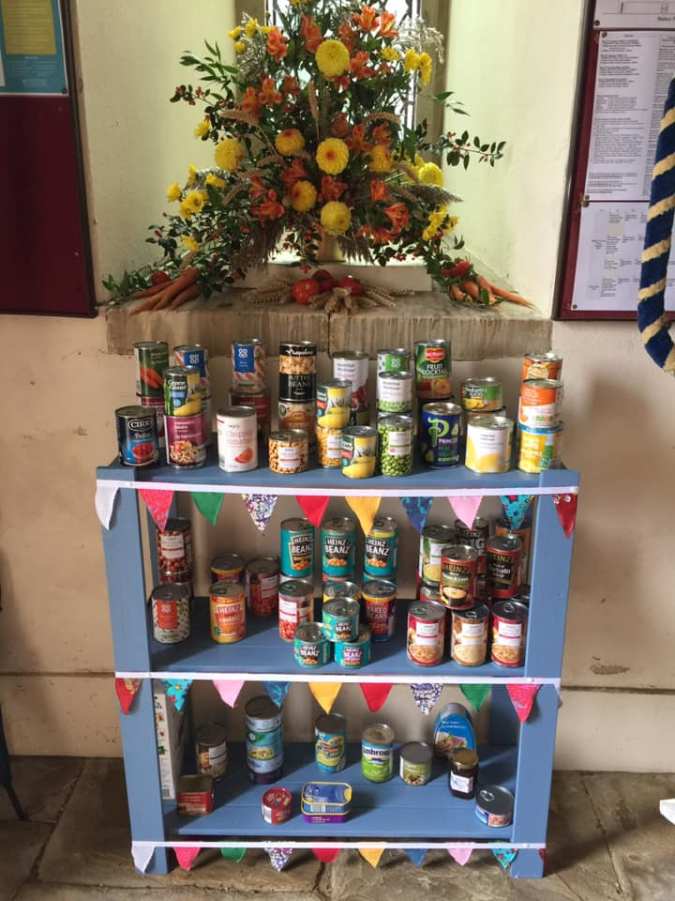
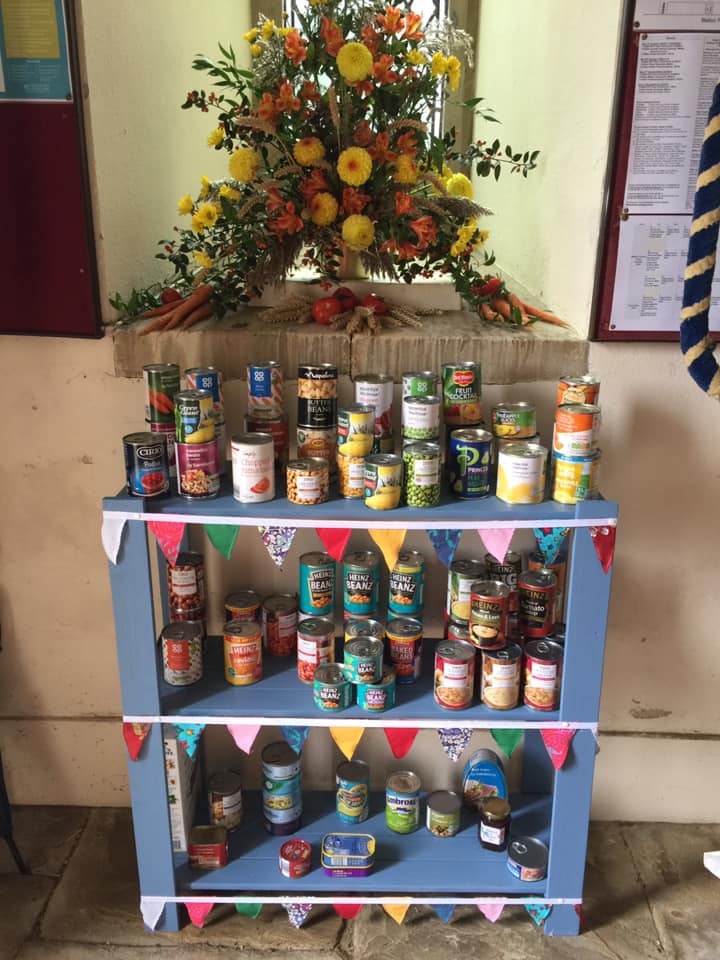
The Little Free Pantry at St Andrew’s Melton. A community food sharing project.
We are following my book for Lent – thank you for joining me. I hope you find it helps.
As Lent begins, we think of the forty days Jesus spent in the wilderness, and the hunger and temptations he faced there.
The first of these was to turn stones into bread, so it seems good to think about this first of the traditional I Am sayings at the beginning of Lent. Those two occasions of considering bread, or not, in the wilderness – the temptation, and the feeding of the five thousand – offer interesting contrasts. You might like to hold them both in your mind as we proceed, seeing what light they might throw on each other.
Jesus fed a hungry crowd. They had followed him to a remote place by the lake, where there was nowhere for them to get food. There, he gave them bread to sustain them, and later he said he himself was bread – bread that came down from heaven, the bread of the life of the world. Not surprisingly, they were mystified.
Some may be fasting during Lent, and this idea of following Jesus to a remote place, and finding that Jesus is bread, is coming to be your experience. Maybe, imagining yourself into the story, you see yourself as one of the hungry crowd. Maybe you are one of the hungry crowd. Maybe lack of food is not a chosen discipline, but your economic experience.
At the very beginning of his ministry, Jesus spent time in the wilderness where he fasted, prayed and was tempted. One of the temptations the hungry Jesus faced was turning stones into bread. Jesus answers, “It is written, “One does not live by bread alone, but by every word that comes from the mouth of God””….. but as Jesus answers the temptation we are reminded of a deep thread in Hebrew thought – that the wisdom, the mind of God, the Word, nourishes and sustains us like food….. God feeds us like bread. This way of seeing helps us remember that our inbuilt need for God is a deep hunger.
In Jesus, tempted in the wilderness, we see a paradox. Jesus, this Word made flesh, feels hunger like us, needs bread like us. Now, astonishingly, after this feeding of the hungry people, he says that he is bread, and that he will be broken for us. This Word made flesh has become bread for us…..
Knowing that there is more than one sort of hunger, that the hunger of our hearts and souls is real too, does not mean that the hunger of the body is less important. Jesus feeds the hungry people. He feeds all of them.
Firstly, we notice who was fed: everyone, all that multitude. Here we see the extravagant generosity of Jesus, and the extent of human need. Bread was given to all the hungry people who were in the crowd: there is no payment, no worthiness criteria, no belief criteria in this feeding; simply, if you come, you will be fed.
All who need it receive bread.
The tradition of fasting in Lent was always coupled with acts of service. As we think about hunger – our own, and others – we can think too of ways of feeding that hunger. There is an abundance and a generosity in this story of feeding so many that can liberate us into our own giving. We think of the small child who gave the little he had.
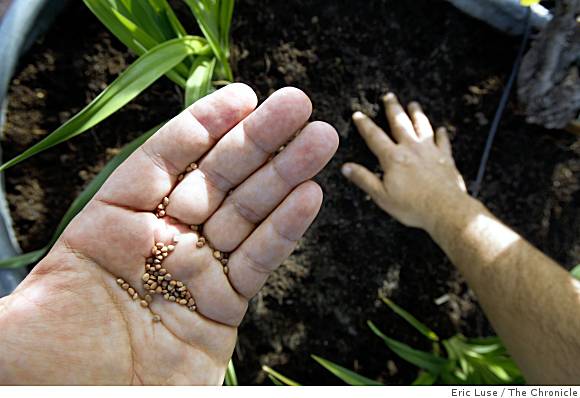
And so, we see what Jesus does with the little he has been given by a child: he takes it in his hands, gives thanks, and then gives it away…… He gives thanks for the little he holds before it is enough. This is another practice we can engage with: thanksgiving. It is a powerful way of shifting us from a perspective of scarcity and anxiety to one of gratitude, of noticing the good and the blessing and the small loaves among so many hungry people. …..
Jesus models many things here for his followers: compassion for the hungry, a desire to help, seeing much in little and giving thanks. After all have eaten, Jesus tells the disciples to gather all the broken fragments up, and there are twelve basketfuls. Nothing is wasted………..
As we seek to find ways of living out these I Am sayings, perhaps we too can be a people who gather up the broken pieces, so that nothing and no one is wasted and lost. It humbles us, it involves us stooping and searching for each broken thing. By gathering the broken, we are following Jesus’ instruction and example. The kingdom is the very opposite of a throwaway society.

Reflection and Response
Enough, not enough?
Sometimes we can look at the little we have at our disposal, and the greatness of the needs we see, and be overwhelmed. Look at the exchange between Andrew and Jesus. What have you to offer? Where do you feel a lack? Meditate on this scene, bringing objects that represent what you have and where you feel a lack, and lay them before you. Use words and paper if more practical. Ask Jesus to bless them and give thanks for them.
Make a practice of always doing the little you can, and asking Jesus to bless it and multiply it. What do you notice as you do so?

If you have done the meditation above, and you have considered that you may have some financial resources, or cooking ability, you might like to move to the next activity. If not, feel free to adapt to find some way to be generous – giving attention, a smile, a blessing, can transform things.
If you feel very empty right now, do think on the hunger of the crowd, and how they were fed. It is good to ask for what you need.
Bread for a hungry world: social action
Feeding people was a sign of God’s kingdom. How can we live that out where we are – open-handed – thankful for what we receive, ready to share? Perhaps there are food banks or homeless people near you for whom you can buy food. Perhaps you can cook and share what you have made. Perhaps you can support a charity that feeds the hungry.
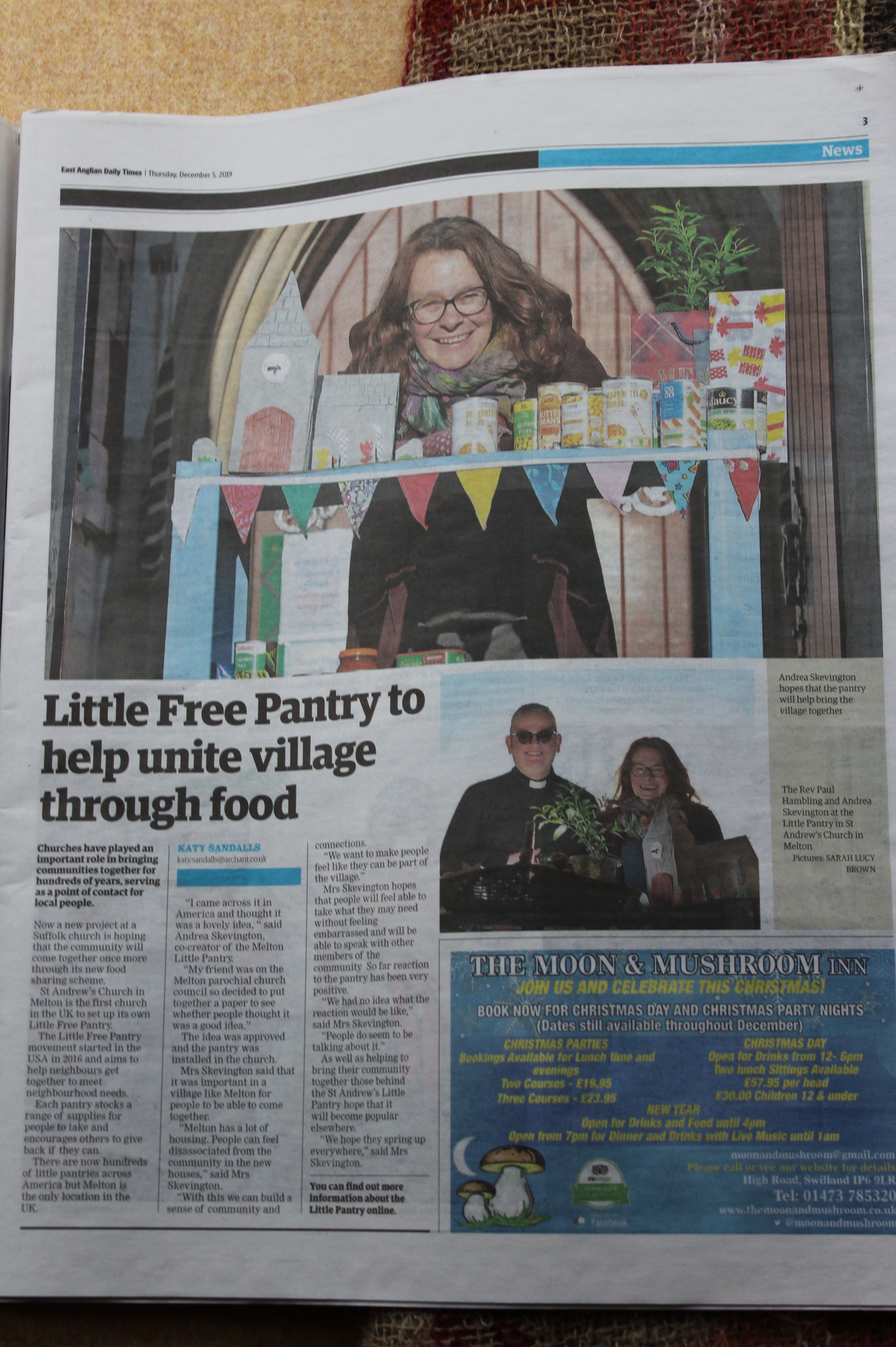
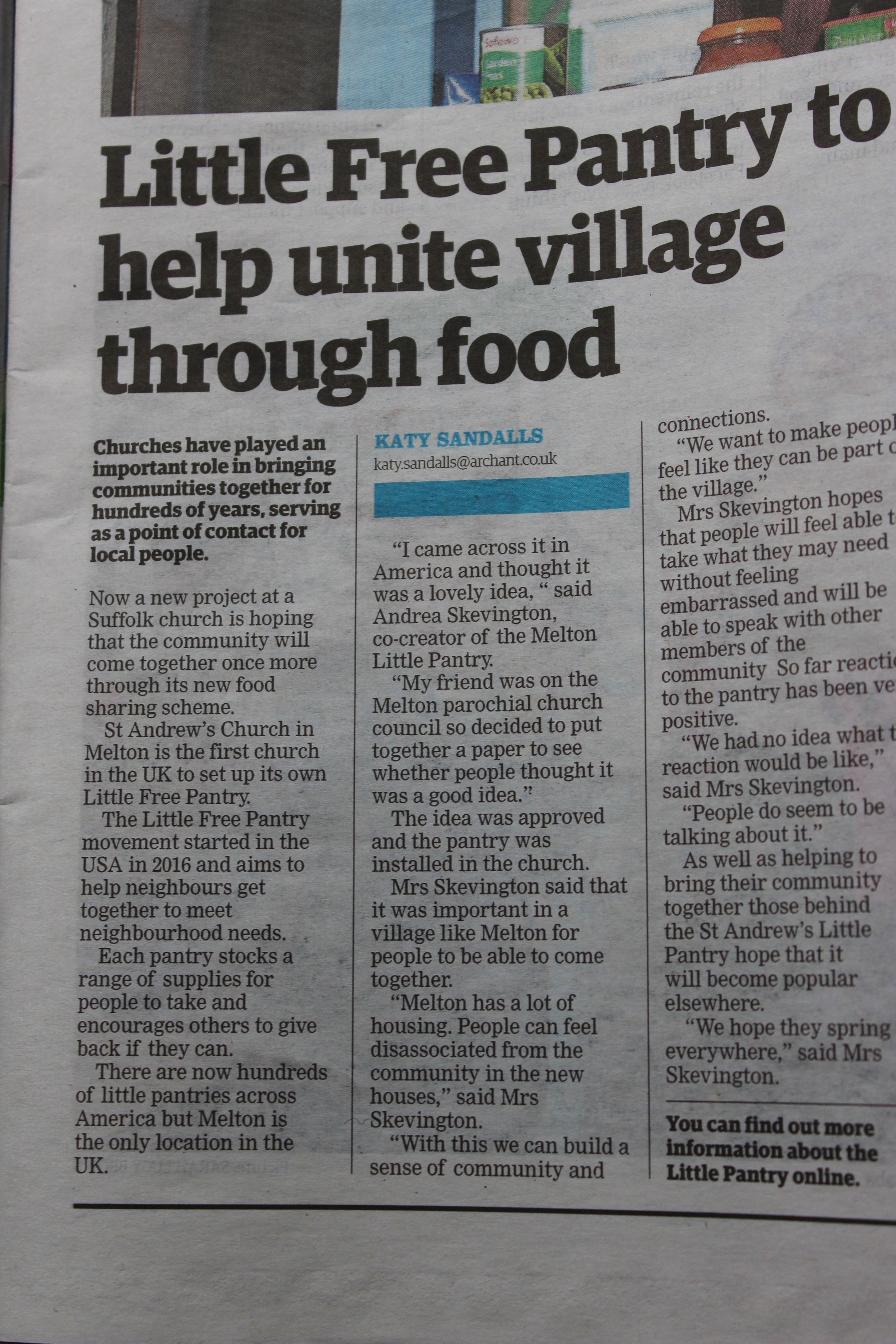
If you are fasting from any sort of food, you could consider buying it anyway and putting it in the food bank. Our little local Co-op supermarket has a collection box for the Salvation Army. Our church porch has a Little Free Pantry – simply a set of shelves that anyone is free to donate to, and receive from, at any time. It’s easy to set one up. You can find out more following the link under the picture at the top of this post.
Let nothing be wasted.
Set yourself a challenge for the week: to avoid waste, especially food waste.
Think about these three things, and how to make them your practice this week:
gratitude, generosity, avoiding waste.

Vincent Van Gogh
You might like to extend your reading with thinking about The Sower and the Seed or small seeds from the Sunday Retold series.
A blessing for food from Prayers and Verses
Lord Jesus, who broke bread beside the lake and all were fed,
thank you for feeding us.
Lord Jesus, who asked his disciples to pass food to the crowds,
may we do the same.
Lord Jesus, who saw to it that all the spare food was gathered,
may we let no good thing go to waste.
Lord Jesus, who gave thanks,
we thank you now.
If you’d like a copy of the book, you can ask your local bookshop, or order online.
Here are a few suggestions:
A link to Malcolm Guite’s thoughtful sonnet on this saying can be found here.
 Andrea Skevington