Jesus said, ‘I Am’ – for Lent. Chapter 3, Light

foamylipmikelacey

Mike Lacey Photography.

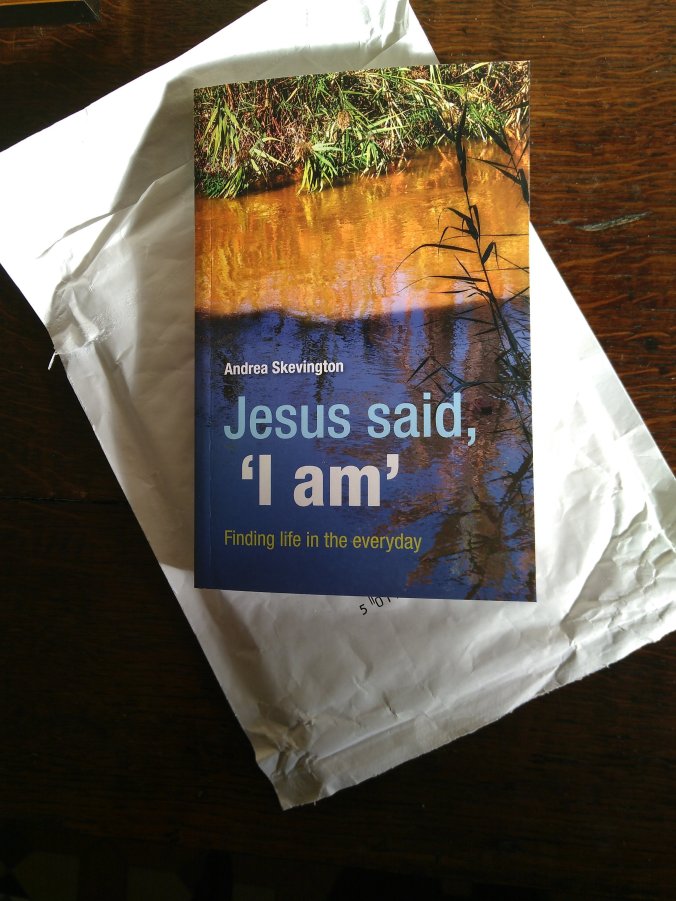
Welcome, and welcome back if you are following this Lent journey with me.  Whoever you are, I hope you find something that helps here.  We are now beginning week three by my schedule, and turning our attention to Jesus, the light of the world.  We’ll be continuing to draw on my book, Jesus said, I am – Finding life in the everyday
WP_20171016_16_03_37_Pro

“What has come into being in him was life, and the life was the light of all peoples.  The light shines in the darkness, and darkness did not overcome it.” John 1:3-4


IMG_0871

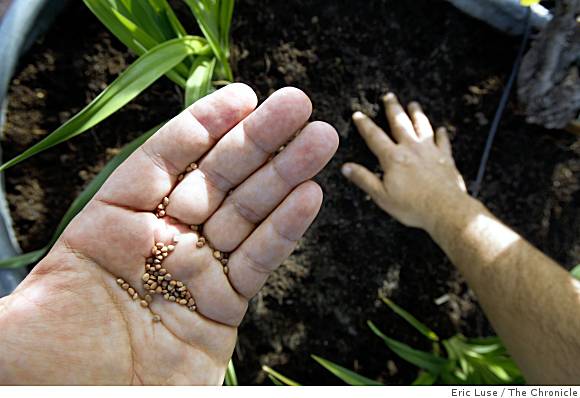
The days grow longer – each day, we are tipping a little more from darkness to light. I’m watching the plants respond to that light. I even have a few tiny seedlings coming up in my veggie patch.  At this time of year, the connection between light and life is clear, and fills us with hope.

Life and light.

It is often a good idea, particularly in John’s gospel, to look at the first mention, first use of a word or idea.  And often the roots of his themes are found in his opening words, the prologue.  But that prologue in itself carries echoes of something earlier, it takes us back to the very beginning of Genesis, where light is the first form spoken into being.

It starts with light. The things that live and grow on the Earth, our home, all depend on  light.  We cannot live without it.

And so when Jesus says he is the light of the world, we have a sense that these words are life-giving, momentous.  They speak of something we need every day, and yet the physics of light  – what light is – is hard for most of us to grasp.

“The true light, which enlightens everyone, was coming into the world” John 1:9.

wings-karol-livote

As the gospel stories are told, we hear Jesus saying I am the light of the world twice, and both times it’s at a turning point for someone, a moment which changes everything for them.  So once again we see that something that seems perhaps high and exalted, beyond our understanding, is revealed in the deep reality of our lived experience.

Jesus first says, “I am the light of the world”, in a very dark place.  The setting was the Feast of Tabernacles, or Booths, when the huge candlestick was lit at the temple, and the light from it was seen in Jerusalem’s streets……..

They [the religious leaders] seem to be policing the celebrations while Jesus is teaching in the temple, an eager crowd listening to him.  The religious leaders bring a woman before Jesus, caught in adultery, and ask Jesus if she should be stoned as the law demands.  The woman, whose life hangs in the balance, doesn’t seem to be of much concern. At this this challenge, Jesus does something remarkable. He shows us a different way of seeing, a different way we can think about the law.

The law can be used to judge and condemn another, or it can be used to throw light on our own hearts and motives.

“”Let anyone among you who is without sin be the first to throw a stone at her.”” John 8:7

…….

with the stones lying on the ground, Jesus says, “I am the light of the world.  Whoever follows me will never walk in darkness, but will have the light of life” for the first time. It is an active sentence – of following and walking, and even the light is the light of life.

It is easier to walk forward, into new life, when we can see the way.

The second time Jesus said it is better known – and that’s in a conversation before the man born blind.

“It was not that this man sinned, or his parents, but that the works of God might be displayed in him.  We must work the works of him who sent me while it is day; night is coming when no one can work. As long as I am in the world, I am the light of the world” John 9:3-5

We see some parallels between this story and that of the woman who was not stoned – in both cases, people seem most concerned about pointing the finger, apportioning blame.  Jesus does not do this.  He sees with clear-sighted compassion, not naively, but looking with the light of love, and looking for God’s work of healing and restoring.

Jesus did not go looking for sin and guilt, and did not apportion blame.  Human pain is, rather, the place where God’s work is to be done.

…..

God seems to specialise in the transformation of bad things. It is the resurrection power, to redeem, restore, make new.  What is more, it seems that the work is not God’s alone:  ‘We must work the works of him who sent me while it is day; night is coming when no one can work’.
There is a ‘we’ in that sentence…. So the challenge is not to judge, but to join in with God’s work.  God longs for us to act, as partners.  What an extraordinary thought! The hope is that when we are in hopeless and most desperate situations, like the man born blind, like the woman, we can encounter the glory and mercy of God.  We are open to the possibility of transformation.  Once again, Jesus’ language is full of action. ‘Work’ is the key repeated word.


Night is coming for Jesus, and this is his response – to give sight to the blind.


candles_flame_in_the_wind-other

We act now to lift the darkness we can.  We work while it is light.  This theme emerges again in the story of the raising of Lazarus (11:9-16). Light and work go together – and the work is the transformation of suffering and death, sin and despair, into hope and life.  It is the bursting out of a new dawn, a new light to live by. This is the life-light in action: the glory-light that is found in the strangest places.

Can we notice this life-light, the light of Christ?  Can we learn to see in its loving clarity? We know that if we turn towards light, like the plants, we will grow and grow well.


Reflection and Response

Oh, God, who spoke and light came into being, may we forever dwell in the brightness of knowing you.

May we bring the light of Christ to those in darkness,
may we chase away the shadows with hope and love,
may we hold a lamp for feet that stumble,
may we too be lights in the world.


The account of the woman and the stones we considered briefly above invites us to look at our own hearts and behaviour.  Lent is a good time for self-examination.

Quaker light meditation

The light of love and grace transforms our seeing.

The Society of Friends have various pamphlets available to help introduce the practices of meditation and silent prayer.  These are usually undertaken together, as a group, and the meditation below can be done alone or with others.  The words in inverted commas are those of George Fox, founder of Quakers, 1624-1691.  Many of the others are a paraphrase.  Again, you may wish to begin this in darkness, or use a small light or candle to focus.

Look Inside  “Your teacher is within you.  Mind what is pure in you to guide you to God” – remember the work of the Spirit within you.

2 Identify the light  “Now this is the Light with which you are lighted, which shows you when you do wrong.”  When you bring yourself into the light, you see your troubles, your temptations and your wrongdoings.

3  Let the light show you yourself “Mind the pure light of God in you” which shows the things in you that are not light: let your conscience be stirred.  Let the light of Jesus Christ search you.  Do not be afraid.  It is the light of love.

Trace the light to its source  Stand in God’s counsel, learn from the light that “you may be led forth in his life and likeness.” God is restoring God’s image in you.

5 Trust the light to show you the alternative.  Have courage to stand still in the light: it is the light of your saviour.  If you look at your sin, you are swallowed up in it, so look to the light by which you see it instead, and let your focus be on the source.

Feel the new life grow  “He who follows the light comes to have the light of life.” The Lord has sown a seed in you that lies shut up in the darkness, with winter storms about it.  He sends his light to the seed, that with time the new life will grow.

7 See other people in the light  “As you abide in the light, the life-light, you will see the kinship that is amongst you, for in the light no self-will, no mastery can stand.”  We are all equal before the light.

See the world in the light  This light lets you see all the world as it is, and keeps you mindful of God.

Learn to love in the light  Standing in the eternal power and light of God, we have strength to love those who persecute and wrong us; we have light enough to shed light on the paths of those who are against us.  This is how we learn to love.

Prayerful reading – for yourself or others
If you find yourself in a dark place, read through the stories again –  the woman with the stones, the man born blind.  Notice the depth of the pain these two were experiencing, and the easy condemnation.  Notice how Jesus responds. Notice how his presence transforms things.  Bring your situation into the light of life,  inviting Jesus, the light of the world, into your dark place.  Allow yourself to lay aside worry, and be lit and warmed by the love that waits for you. Stay in that place for a while.
You can bring someone you love, or a situation, before God in this same way.

Creative
Not knowing when the dawn will come, I open every door.  Emily Dickinson
Photography, light-writing.  Why not take on a photography project, perhaps one of these every day for a week, or take a camera/phone with you wherever you go.
Light-sources in your home/community
Reflections and light effects
the same object or view at different times, in different light.
The same subject using various filters.
You could print off any you like, to pin up, or make into “sending you light” cards.

Living from a place of light.

Jesus calls us not to judge, and yet reminds us to know a tree by its fruit.

Can we develop the discipline of looking at ourselves and others with a clear-sighted vision, which sees truly and yet does not condemn?
This week, seek to lay aside harsh judgements.  Perhaps we can seek to learn lovingkindness even in situations of hostility.  Kindness to ourselves means we can keep ourselves safe, kindness to others means we do not need to condemn or retaliate.
Perhaps we can begin our own move towards light in the way we interact with each other on line.

Social Media .  Think about the arguments  in these chapters [of John’s gospel], and compare them to those you encounter on social media and comments sections online.  How can we respond in a way which is more like Jesus?  How can we be light in this particular dark place?

wells-cathedral-5492

Scatter the darkness in our hearts, that we may be children of light.


I wrote a poem as darkness fell while I was sitting on the beach.  You can read the poem, Light, here.

A prayer for the opening of the eyes (to be said throughout the day)
May I see signs of your kingdom springing up like seeds, working like yeast in the dough.

Thank you.  Next week, we’ll be looking at the Shepherd and the Gate.


Please feel free to use any of this material that helps, saying where it is from.
Jesus said, ‘I Am’ – for Lent. Chapter 2, Bread

litte free pantry 3

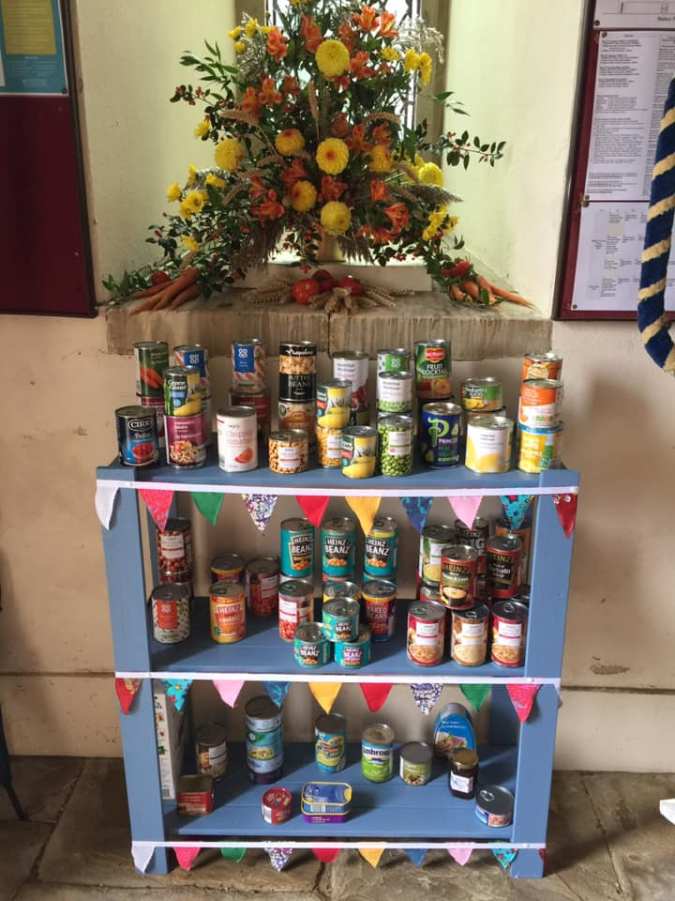
The Little Free Pantry  at St Andrew’s Melton. A community food sharing project.

John 6:1-15, 25-35

We are following my book for Lent – thank you for joining me.  I hope you find it helps.

As Lent begins, we think of the forty days Jesus spent in the wilderness, and the hunger and temptations he faced there.

Matthew 4:1-11

The first of these was to turn stones into bread, so it seems good to think about this first of the traditional I Am sayings at the beginning of Lent. Those two occasions of considering bread, or not, in the wilderness – the temptation, and the feeding of the five thousand – offer interesting contrasts.  You might like to hold them both in your mind as we proceed, seeing what light they might throw on each other.

Jesus fed a hungry crowd.  They had followed him to a remote place by the lake, where there was nowhere for them to get food.  There, he gave them bread to sustain them, and later he said he himself was bread – bread that came down from heaven, the bread of the life of the world.  Not surprisingly, they were mystified.

Some may be fasting during Lent, and this idea of following Jesus to a remote place, and finding that Jesus is bread, is coming to be your experience.  Maybe, imagining yourself into the story,  you see yourself as one of the hungry crowd.  Maybe you are one of the hungry crowd. Maybe lack of food is not a chosen discipline, but your economic experience.

At the very beginning of his ministry, Jesus spent time in the wilderness where he fasted, prayed and was tempted.  One of the temptations the hungry Jesus faced was turning stones into bread.  Jesus answers, “It is written, “One does not live by bread alone, but by every word that comes from the mouth of God””….. but as Jesus answers the temptation we are reminded of a deep thread in Hebrew thought – that the wisdom, the mind of God, the Word, nourishes and sustains us like food….. God feeds us like bread.  This way of seeing helps us remember that our inbuilt need for God is a deep hunger.

In Jesus, tempted in the wilderness, we see a paradox.  Jesus, this Word made flesh, feels hunger like us, needs bread like us.  Now, astonishingly, after this feeding of the hungry people, he says that he is bread, and that he will be broken for us.  This Word made flesh has become bread for us…..

Knowing that there is more than one sort of hunger, that the hunger of our hearts and souls is real too, does not mean that the hunger of the body is less important.  Jesus feeds the hungry people.  He feeds all of them.

Firstly, we notice who was fed: everyone, all that multitude.  Here we see the extravagant generosity of Jesus, and the extent of human need.  Bread was given to all the hungry people who were in the crowd: there is no payment, no worthiness criteria, no belief criteria in this feeding; simply, if you come, you will be fed.

All who need it receive bread.

The tradition of fasting in Lent was always coupled with acts of service.  As we think about hunger – our own, and others – we can think too of ways of feeding that hunger.  There is an abundance and a generosity in this story of feeding so many that can liberate us into our own giving. We think of the small child who gave the little he had.

sowing

And so, we see what Jesus does with the little he has been given by a child: he takes it in his hands, gives thanks, and then gives it away…… He gives thanks for the little he holds before it is enough.  This is another practice we can engage with: thanksgiving.  It is a powerful way of shifting us from a perspective of scarcity and anxiety to one of gratitude, of noticing the good and the blessing and the small loaves among so many hungry people. …..

Jesus models many things here for his followers: compassion for the hungry, a desire to help, seeing much in little and giving thanks.  After all have eaten, Jesus tells the disciples to gather all the broken fragments up, and there are twelve basketfuls.  Nothing is wasted………..

As we seek to find ways of living out these I Am sayings, perhaps we too can be a people who gather up the broken pieces, so that nothing and no one is wasted and lost.  It humbles us, it involves us stooping and searching for each broken thing.  By gathering the broken, we are following Jesus’ instruction and example.  The kingdom is the very opposite of a throwaway society.


seed

Reflection and Response

Enough, not enough?

Sometimes we can look at the little we have at our disposal, and the greatness of the needs we see, and be overwhelmed.  Look at the exchange between Andrew and Jesus. What have you to offer? Where do you feel a lack? Meditate on this scene, bringing objects that represent what you have and where you feel a lack, and lay them before you.  Use words and paper if more practical.  Ask Jesus to bless them and give thanks for them.

Make a practice of always doing the little you can, and asking Jesus to bless it and multiply it.  What do you notice as you do so?

bread

If you have done the meditation above, and you have considered that you may have some financial resources, or cooking ability, you might like to move to the next activity.  If not, feel free to adapt to find some way to be generous – giving attention, a smile, a blessing, can transform things.
If you feel very empty right now, do think on the hunger of the crowd, and how they were fed.  It is good to ask for what you need.

Bread for a hungry world: social action
Feeding people was a sign of God’s kingdom.  How can we live that out where we are – open-handed – thankful for what we receive, ready to share? Perhaps there are food banks or homeless people near you for whom you  can buy food.  Perhaps you can cook and share what you have made. Perhaps you can support a charity that feeds the hungry.

If you are fasting from any  sort of food, you could consider buying it anyway and putting it in the food bank.  Our little local Co-op supermarket has a collection box for the Salvation Army.  Our church porch has a Little Free Pantry – simply a set of shelves that anyone is free to donate to, and receive from, at any time.  It’s easy to set one up. You can find out more following the link under the picture at the top of this post.

Let nothing be wasted.
Set yourself a challenge for the week: to avoid waste, especially food waste.


Think about these three things, and how to make them your practice this week:
gratitude, generosity, avoiding waste.


the-sower-van-gogh

Vincent Van Gogh

You might like to extend your reading with thinking about The Sower and the Seed or small seeds from the Sunday Retold series.

A blessing for food from Prayers and Verses

Lord Jesus, who broke bread beside the lake and all were fed,
thank you for feeding us.
Lord Jesus, who asked his disciples to pass food to the crowds,
may we do the same.
Lord Jesus, who saw to it that all the spare food was gathered,
may we let no good thing go to waste.
Lord Jesus, who gave thanks,
we thank you now.


If you’d like a copy of the book, you can ask your local bookshop, or order online.

Here are a few suggestions:

The publishers, BRF

Amazon


A link to Malcolm Guite’s thoughtful sonnet on this saying can be found here.

Jesus said, ‘I Am’ – for Lent. Chapter 1, the woman at the well.


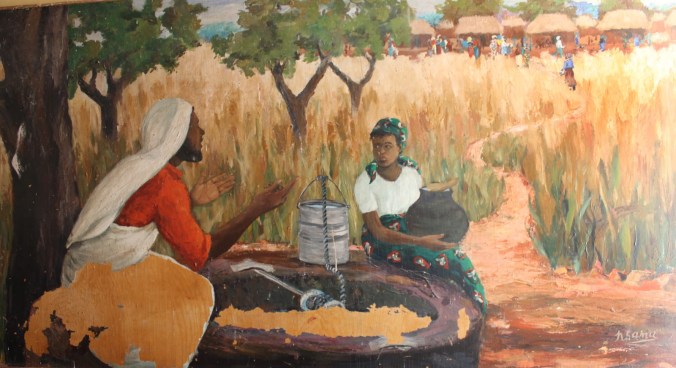
The bible scene with Jesus at the well with the Samaritan woman shows signs of damage and peeling of paint

Mural by  Emmanuel Nsama

If you are following my Book for Lent, welcome! I hope you find it helps.
If you’d like to begin at the very beginning, you could take a look at the chapter on Moses, and the burning bush – the first I Am. You can find a link to my post about that here.


IMG_0864

John 4:1-30, 39-42

It may seem a strange place to start, with this deep conversation that is not normally mentioned as one of the I AM sayings – and indeed, it isn’t one of the classic seven.  However, it is a story which has intrigued me for years, and when I found that this is the place where Jesus first says “I am”, I wanted to explore it more fully.  It is the longest recorded conversation Jesus has with one other person – and it is with someone who was on the other side of so many cultural barriers.

At a time when our politics is increasingly divided and divisive, where people box each other into categories, and make some lesser than others, this is a particularly relevant conversation.

John the Evangelist prepares us for this story very carefully, for it is profoundly counter-cultural. Jesus stops to rest near the plot of ground that Jacob gave his son Joseph. Jacob’s other name was Israel – one who wrestles with God. We are going back to Israel’s common spring, common source, at Jacob’s well. We are being reminded of a time long ago, before the time when and the Jews and Samaritans became peoples who saw themselves as separate. It is a place that holds meaning and memory for Jews and Samaritans – of their common father, and their common salvation story. John is placing us on common ground……

I think it is no coincidence that John begins this story by setting it against an atmosphere of potential conflict – between cousins, between related nations. We see Jesus acting out his mission to be a peacemaker, a reconciler. “For he is our peace; in his flesh he has made both groups into one and has broken down the dividing wall, that is, the hostility between us” Eph 2:14. Jesus himself is common ground, and his presence changes things. If we look carefully at how we are prepared for this encounter, we can see that we are being led away from conflict, towards reconciliation, to inclusion, and to hope…….

And so, as Jesus waits by the well in the heat of the day, a woman approaches.  We can only imagine what it must have been like for her, in a culture where a woman could be divorced “for any and every reason” (Matt 19:3). We often think of her as one utterly disgraced in her community, having to visit the well at such a time.  That may be so, but we must remember that at this time divorces were easy for a man to come by and early death not uncommon.  Whatever her circumstances, she must have known more than her share of tragedy and disappointment.  She may have known deep shame and disgrace.  She may well have been a rejected member of a rejected community.

And yet she, like everyone else, gets thirsty and needs water to drink and water to wash with.  She is as human as everyone else.  So often, we do not see people like this.  So often, we make quick judgements, build fences, wonder about people’s worthiness and, in our own pride and insecurity, seek to feel superior, chosen, righteous in some way.  Not so Jesus.

His question bursts through all our categories and barriers in its gentleness, its humanity.  It is a question that changes everything for this woman, and for her community.

“Will you give me a drink?”

Jesus humbly admits his own thirst, his own need.  If we have heard the parable of the sheep and the goats (Matt 25:31-46), this question may have a deep resonance for us, for there Jesus says that whoever gives a thirsty person water, gives it to him.  This story in John gives us a way of thinking about the needs before us.  How would we respond – how do we respond – if a stranger asks us for a drink?

overflowing_glass_5

And from the Reflection and Response section.

Pour out a jug of water and set it before you, together with a glass.
Ask yourself what you thirst for.  Allow honest answers to emerge and note them.  Where does your life feel dry and unproductive?  What would help?


“I was thirsty and you gave me a drink”
….If you buy drinks out, perhaps you could fast from one or two a week, and give the money to a charity instead………

You could carry extra bottles of water to give to the homeless or buy tea or coffee for those you encounter and drink with them.  I have gift vouchers for coffee shops in my bag to pass on………


trees

Think about this picture – look at the two trees, and the fence.
Where do you find connection in your life, and where separateness?
Are there ways you can reach across divides?
Pray for wisdom.  Remember how Jesus slipped away from potential conflict with the religious leaders.

“For he is our peace; in his flesh he has made both groups into one and has broken down the dividing wall, that is, the hostility between us” Eph 2:14.
What comes to mind as you meditate on this verse? Does it speak into an particular situation for you?


If you’d like a copy of the book, you can ask your local bookshop, or order online.

Here are a few suggestions:

The publishers, BRF

Amazon

img_20181130_114736372319885.jpg

This blog post also draws on the Sunday Retold series.

Thank you for sharing this time with me.


Advent 3 – Joy

maryelyladychapel.jpg

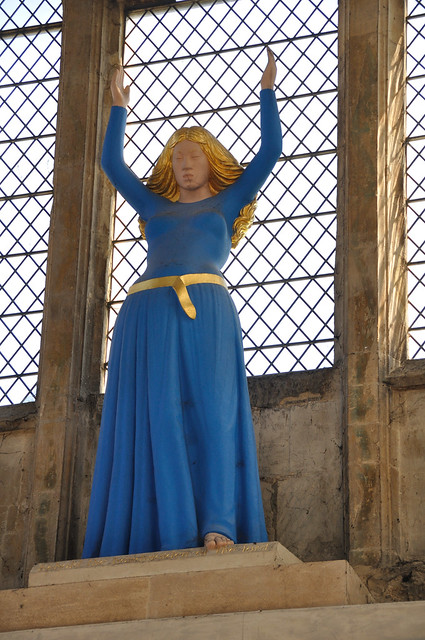
Mary by David Wynne, Lady Chapel, Ely Cathedral

I love this contemporary statue of Mary in the ancient setting of Ely Cathedral’s Lady Chapel.  I love the bright, pure colours of blue and gold, which are probably  much closer to the original look than the current mellow stone.  Most of all, I love her stance.  It is open, powerful, ready to receive the extraordinary gift that was promised her.  It is joyful – with a joy that acknowledges the reality of the difficulties to come, I feel.

Once again, this week, we have a powerful word – Joy – as our theme.  Once again, we are aware that our immediate circumstances may not point to joy, but to sadness, or anxiety, or emptiness.  Once again, we see examples in the stories of Christmas where people have faced great difficulty, as Mary must have done with her unexplained pregnancy. The consequences for her of saying “Yes” could have led to rejection, abandonment, or even death. She does not overlook the huge difficulty, but goes through it, beyond it, to the bigger move of God, the higher purpose her life is serving.  She does this through her own choosing, her active acceptance, of the role the angel gives her.   It is a radical, open, trust, which Wynne’s statue of Mary captures so well. She also does it through seeking out her cousin Elizabeth.  With Elizabeth, also unexpectedly with child, she has someone who might be able to understand her strange predicament, and help her come to terms with what has been promised.  The two women – one too young, the other too old, could nurture and support each other, both giving and receiving, as the time came for Elizabeth to give birth.

Here too is a route to joy – the presence of another.  We are promised that God will not leave us, and we often find that another flesh and blood person embodies the love and care of God for us.  It must have been so good for Mary and Elizabeth to share those three months together. Perhaps, we too can offer some companionship to each other – simply being present, simply listening, simply understanding.

Here is the story, from my book The Bible Retold

Among the fields and vineyards of Nazareth, in Galilee, lived a girl named Mary.  She was soon to be married to Joseph, a carpenter, who could trace his family back to David, the shepherd king.

Then, one day, astonishing news burst into Mary’s quiet, hopeful life.  The angel Gabriel came to her with a message.
“God is with you, Mary!” Mary gasped, and fell to her knees.  “Don’t be afraid. God smiles on you!” The angel spoke the astounding words gently, lovingly. “You will have a son and name him Jesus.  He will be called great – the Son of the Most High God! The Lord God will give him the throne of his ancestor David, and his kingdom will never end!”

For a moment there was silence, as Gabriel’s words filled the air – and Mary’s mind. “But how can this be, as I am not yet married?” Mary asked.
“God’s Holy Spirit will enfold you.  Your child will be holy.  Even Elizabeth, from your own family, is going to have a child, despite her age! She is now in her sixth month.  So you see, nothing is impossible with God!”

Mary raised her eyes to Gabriel’s face. “I am God’s servant. Let it be as you say.” And the angel let her alone, her mind spinning with the strange words.

Then Mary thought of Elizabeth. “The angel knew all about her – I must go to her.” She got ready, and set off quickly for Elizabeth’s home in Judea to the south, near Jerusalem.

As soon as she arrived at the house, she hurried to Elizabeth and took her hands.  At the sound of Mary’s voice, the baby leaped inside Elizabeth, and the Holy Spirit filled her.  She understood at once what had happened to Mary.

“You are blessed among all women, and blessed is your unborn child!” she said. “Why have I been so honoured? Why should the mother of my Lord God come to visit me?” Elizabeth laughed, and put Mary’s hand on her belly. “You see how my child leaps for joy at the sound of your voice?”

Then, Mary speaks out extraordinary words, which in turn echo the words of Hannah when she said goodbye to her long-awaited son, Samuel (I Samuel 2)  You can read Mary’s words in my previous post here.

img_0773

And so begins the journey of one called Lord God by Elizabeth into human flesh – not too pure and holy to found among frail humanity, not too great to be nurtured in the womb of a young woman, and born into uncertain poverty.  One who set up home on this earth, and opened our eyes to see heaven here, even here.

We thank you for being born among us,
sharing with us what it is to be human.
we thank you for showing us a way to live,
full of grace and truth.
Light up our path, and let us walk with you.

From John 1

From Prayers and Verses


IMG_0942.JPG

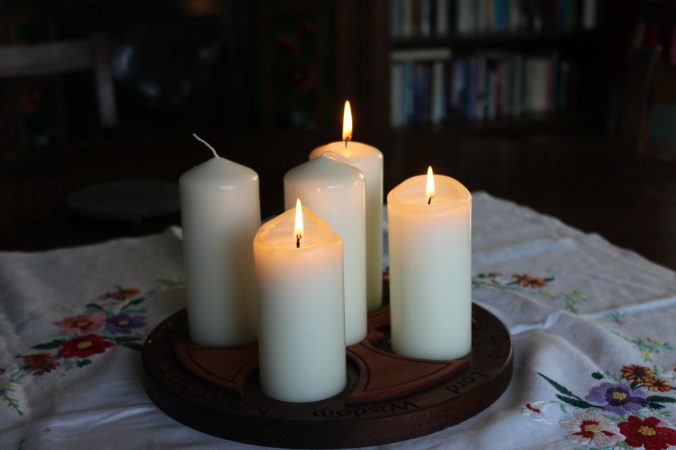
Advent ring from the good folk at Chapel in the fields. If you’d like to know more about the words, you can find out at my previous post.


Please feel free to use my material, saying where it is from.


The Little Christmas Tree – some copies still available!

christmas tree


In case you were interested in a copy of my Christmas children’s book, it’s available at the moment, although stocks are quite low.  You should be able to order it from your local bookshop, or online – for instance at Eden Books , Waterstones or Amazon.

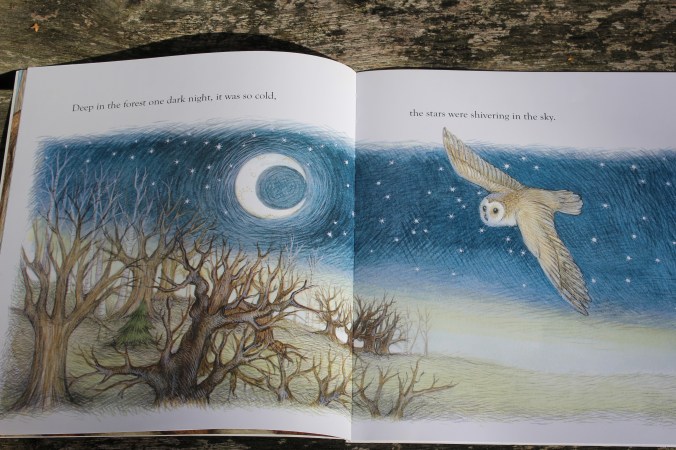
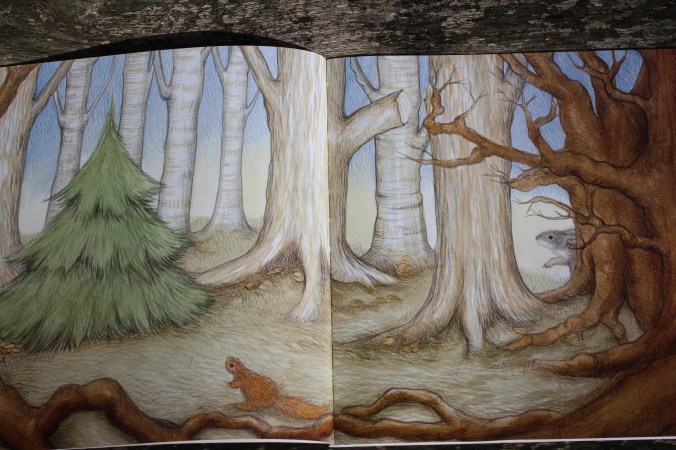
Here’s some pictures to give you an idea of Lorna Hussey’s beautiful illustrations.  I took the pictures in my garden – the book is clearer and lovelier.
This is how it begins……

img_0627

Here is the wood, and the little Christmas tree……


Featured Image -- 5469

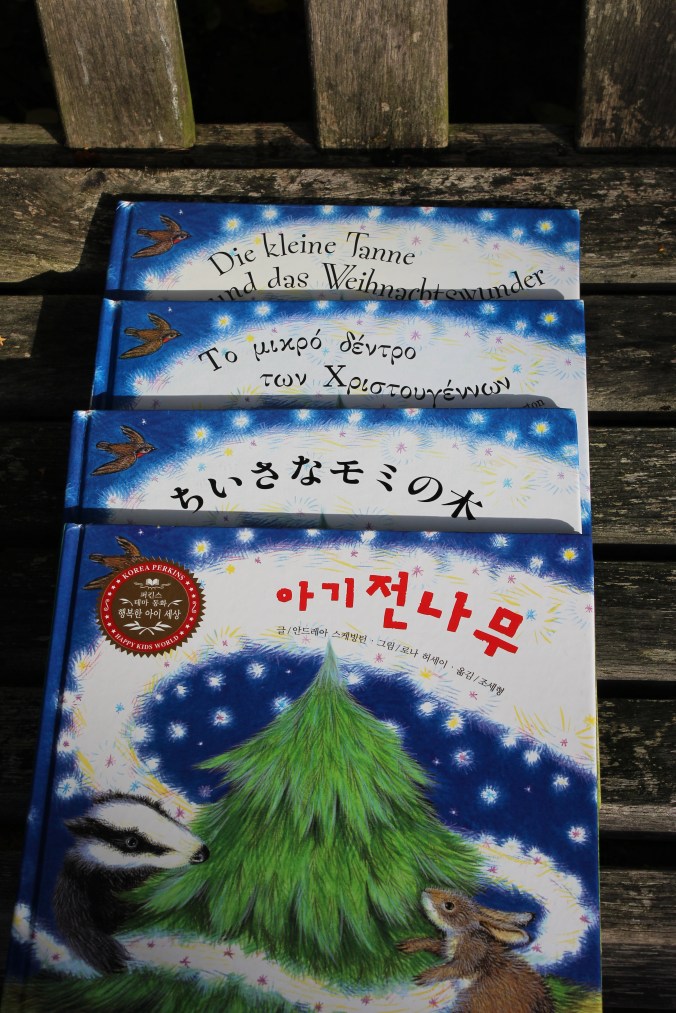
Here are some foreign language editions – I don’t think you can get any of these in the UK!

img_0624


The first Little Free Pantry in the UK!

Some good news from this corner of Suffolk…..

I’d like to share with you an article hot off the press at the Melton Messenger – the local parish magazine. I’ve tweaked it ever so slightly for the internet. In it, I talk about our open, freely accessible community food project, which we hope will be a sign of love and welcome, as well as practical help, to anyone who wishes to participate by either receiving or giving. Anyone is free to use the pantry, with no questions asked.

It’s such a simple idea, maybe it’s something you, or a community you belong to, could consider? It might be very welcome in the run-up to Christmas, and in the leaner days that follow. In the article is a link to the Little Free Pantry website, which is full of delightful and helpful things.

litte free pantry 3

Sharing the Harvest – New Community Food Project Launched!

We’re delighted to tell you that St Andrew’s new community food project is now up and running!

It’s a Little Free Pantry – a set of shelves in the Church porch which are freely accessible. Anyone can leave some tins, and anyone can take some. The ethos of the project is:

“Take what you need, give what you can”.

We are quite excited to be able to announce that we have successfully registered our shelves with the Little Free Pantry movement. It is now, officially, the first in the UK! You can find out more about the movement, and see St Andrew’s Melton on the map, at their website: http://mapping.littlefreepantry.org/

Back to the launch….. it was at our Harvest Festival. The Church was looking beautiful, decked out with orange autumn flowers, and wheat, and apples. It smelt as good as it looked. During the first hymn, as we gave thanks for the harvest, we all brought up our gifts of tins and packets and gave them to Rev Paul, who piled them on the altar. Later in the service, we joined hands to pray a blessing on the shelves, and for all who would use them. The shelves were stacked with the tins that had been brought. The surplus will go to the Salvation Army’s food bank. It felt that we were participating in something very ancient – giving thanks for, and sharing, the Harvest – in a way that was new to us, visibly opening our Harvest Thanksgiving to whole parish.

For we hope that Melton neighbours will want to join in. It’s a way we can all participate in the generosity of Harvest, whether we are giving, or receiving. We hope it will be a year-round sign of God’s love in a very practical, daily-bread way – with tins of beans, and soup, and such. We hope it will help to strengthen the sense of community in Melton. It’s so good that we can keep the Church and its garden open and accessible to the neighbourhood, and we hope this project will be a further sign of welcome, and of the inclusive community we are seeking to build here.
As people are free to take and leave when they like, the stocks may be variable, but we’ll do our best to keep an eye on things and make sure the shelves aren’t empty!

So, why not come along and take a look? Why not come along and join in?

Small acts, when multiplied by millions of people, can change the world — Howard Zinn

We have a tradition of sharing produce in the congregation – many people have productive gardens with gluts of tomatoes and apples. We now have a basket above the shelves where we can extend that sharing to all our neighbours – subject to the vagaries of harvest and weather!

IMG_0606.JPG

If you’d like to think some more about Bread, and hunger, you might like to read my Lent post on “I am the bread of life”, here.

Poem – The wings of Gabriel’s Wood #EverybodyNow

Today I’m sharing another poem to mark Extinction Rebellion’s actions in London and elsewhere.
There’s a long tradition of poetry helping us to see both more clearly and more deeply – it can help us linger on those moments of beauty and connection with the natural world that remind us of our proper place, and inspire us to love and to act.

This poem was a scrap in my notebook for some time.  It describes the experience of entering Gabriel’s Wood on the Golden Cap (Dorset) estate in the path of the remains of a hurricane.  The living things that gathered there seemed less disturbed by my presence while seeking shelter from the coming storm.  We had a commonality of purpose, and a connection.

WP_20171015_17_37_36_Pro

The Wings of Gabriel’s Wood

Far above the wood fly buzzards –
I can see four,
or five –
young who have grown
and ready to fly,
their thin cries
carry on the wind.

They are harried by crows,
dark, gyring to keep moving
as the wind booms in the trees,
as their feathers twist.

Entering under the dome of trees,
into a loud stillness, I join
pheasants who are sheltering,
and a tiny wren who skirts
the ground like a mouse,
and fat pigeons picking up acorns
that clatter like hail,
and warblers who snatch notes,
not risking a song.

The wood is full of wings,
folded, sheltering.
And I too take my shelter here,
a creature, too, before the storm,
in this loud wood,
among the falling leaves.

Lent: Jesus said, I Am, Week 2….. Bread

barleyfield

John 6:1-15, 25-35

We are following my book for Lent – the quotes below give you a little taste.

As lent begins, we think of the forty days Jesus spent in the wilderness, and the hunger and temptations he faced there.

Matthew 4:1-11

The first of these was to turn stones into bread, so it seems good to think about this first of the traditional I Am sayings at the beginning of Lent. Those two occasions of considering bread, or not, in the wilderness – the temptation, and the feeding of the five thousand – offer interesting contrasts.  You might like to hold them both in your mind as we proceed, seeing what light they might throw on each other.

Jesus fed a hungry crowd.  They had followed him to a remote place by the lake, where there was nowhere for them to get food.  There, he gave them bread to sustain them, and later he said he himself was bread – bread that came down from heaven, the bread of the life of the world.  Not surprisingly, they were mystified.

Some may be fasting during Lent, and this idea of following Jesus to a remote place, and finding that Jesus is bread, is coming to be your experience.  Maybe, imagining yourself into the story,  you see yourself as one of the hungry crowd.  Maybe you are one of the hungry crowd. Maybe lack of food is not a chosen discipline, but your economic experience.

At the very beginning of his ministry, Jesus spent time in the wilderness where he fasted, prayed and was tempted.  One of the temptations the hungry Jesus faced was turning stones into bread.  Jesus answers, “It is written, “One does not live by bread alone, but by every word that comes from the mouth of God””….. but as Jesus answers the temptation we are reminded of a deep thread in Hebrew thought – that the wisdom, the mind of God, the Word, nourishes and sustains us like food….. God feeds us like bread.  This way of seeing helps us remember that our inbuilt need for God is a deep hunger.

In Jesus, tempted in the wilderness, we see a paradox.  Jesus, this Word made flesh, feels hunger like us, needs bread like us.  Now, astonishingly, after this feeding of the hungry people, he says that he is bread, and that he will be broken for us.  This Word made flesh has become bread for us…..

Knowing that there is more than one sort of hunger, that the hunger of our hearts and souls is real too, does not mean that the hunger of the body is less important.  Jesus feeds the hungry people.  He feeds all of them.

Firstly, we notice who was fed: everyone, all that multitude.  Here we see the extravagant generosity of Jesus, and the extent of human need.  Bread was given to all the hungry people who were in the crowd: there is no payment, no worthiness criteria, no belief criteria in this feeding; simply, if you come, you will be fed.

All who need it receive bread.

The tradition of fasting in Lent was always coupled with acts of service.  As we think about hunger – our own, and others – we can think too of ways of feeding that hunger.  There is an abundance and a generosity in this story of feeding so many that can liberate us into our own giving. We think of the small child who gave the little he had.

sowing

And so, we see what Jesus does with the little he has been given by a child: he takes it in his hands, gives thanks, and then gives it away…… He gives thanks for the little he holds before it is enough.  This is another practice we can engage with: thanksgiving.  It is a powerful way of shifting us from a perspective of scarcity and anxiety to one of gratitude, of noticing the good and the blessing and the small loaves among so many hungry people. …..

Jesus models many things here for his followers: compassion for the hungry, a desire to help, seeing much in little and giving thanks.  After all have eaten, Jesus tells the disciples to gather all the broken fragments up, and there are twelve basketfuls.  Nothing is wasted………..

As we seek to find ways of living out these I Am sayings, perhaps we too can be a people who gather up the broken pieces, so that nothing and no one is wasted and lost.  It humbles us, it involves us stooping and searching for each broken thing.  By gathering the broken, we are following Jesus’ instruction and example.  The kingdom is the very opposite of a throwaway society.


seed

Reflection and Response

Enough, not enough?

Sometimes we can look at the little we have at our disposal, and the greatness of the needs we see, and be overwhelmed.  Look at the exchange between Andrew and Jesus. What have you to offer? Where do you feel a lack? Meditate on this scene, bringing objects that represent what you have and where you feel a lack, and lay them before you.  Use words and paper if more practical.  Ask Jesus to bless them and give thanks for them.

Make a practice of always doing the little you can, and asking Jesus to bless it and multiply it.  What do you notice as you do so?

bread

If you have done the meditation above, and you have considered that you may have some financial resources, or cooking ability, you might like to move to the next activity.  If not, feel free to adapt to find some way to be generous – giving attention, a smile, a blessing, can transform things.
If you feel very empty right now, do think on the hunger of the crowd, and how they were fed.  It is good to ask for what you need.

Bread for a hungry world: social action
Feeding people was a sign of God’s kingdom.  How can we live that out where we are – open-handed – thankful for what we receive, ready to share? Perhaps there are food banks or homeless people near you for whom you  can buy food.  Perhaps you can cook and share what you have made. Perhaps you can support a charity that feeds the hungry.

If you are fasting from any  sort of food, you could consider buying it anyway and putting it in the food bank.  Our little local Co-op supermarket has a collection box for the Salvation Army.

Let nothing be wasted.
Set yourself a challenge for the week: to avoid waste, especially food waste.


Think about these three things, and how to make them your practice this week:
gratitude, generosity, avoiding waste.


the-sower-van-gogh

Vincent Van Gogh

You might like to extend your reading with thinking about The Sower and the Seed or small seeds from the Sunday Retold series.

A blessing for food from Prayers and Verses

Lord Jesus, who broke bread beside the lake and all were fed,
thank you for feeding us.
Lord Jesus, who asked his disciples to pass food to the crowds,
may we do the same.
Lord Jesus, who saw to it that all the spare food was gathered,
may we let no good thing go to waste.
Lord Jesus, who gave thanks,
we thank you now.


If you’d like a copy of the book, you can ask your local bookshop, or order online.

Here are a few suggestions:

The publishers, BRF

Amazon


A link to Malcolm Guite’s thoughtful sonnet on this saying can be found here.

Lent: Jesus said, I Am ….. Week 1, The Woman at the Well


The bible scene with Jesus at the well with the Samaritan woman shows signs of damage and peeling of paint

Mural by  Emmanuel Nsama

If you are following my Book for Lent, welcome! I hope you find it helps.
If you’d like to begin at the very beginning, you could take a look at the chapter on Moses, and the burning bush – the first I Am. You can find a link to my post about that here.


IMG_0864

John 4:1-30, 39-42

It may seem a strange place to start, with this deep conversation that is not normally mentioned as one of the I AM sayings – and indeed, it isn’t one of the classic seven.  However, it is a story which has intrigued me for years, and when I found that this is the place where Jesus first says “I am”, I wanted to explore it more fully.  It is the longest recorded conversation Jesus has with one other person – and it is with someone who was on the other side of so many cultural barriers.

At a time when our politics is increasingly divided and divisive, where people box each other into categories, and make some lesser than others, this is a particularly relevant conversation.

John the Evangelist prepares us for this story very carefully, for it is profoundly counter-cultural. Jesus stops to rest near the plot of ground that Jacob gave his son Joseph. Jacob’s other name was Israel – one who wrestles with God. We are going back to Israel’s common spring, common source, at Jacob’s well. We are being reminded of a time long ago, before the time when and the Jews and Samaritans became peoples who saw themselves as separate. It is a place that holds meaning and memory for Jews and Samaritans – of their common father, and their common salvation story. John is placing us on common ground……

I think it is no coincidence that John begins this story by setting it against an atmosphere of potential conflict – between cousins, between related nations. We see Jesus acting out his mission to be a peacemaker, a reconciler. “For he is our peace; in his flesh he has made both groups into one and has broken down the dividing wall, that is, the hostility between us” Eph 2:14. Jesus himself is common ground, and his presence changes things. If we look carefully at how we are prepared for this encounter, we can see that we are being led away from conflict, towards reconciliation, to inclusion, and to hope…….

And so, as Jesus waits by the well in the heat of the day, a woman approaches.  We can only imagine what it must have been like for her, in a culture where a woman could be divorced “for any and every reason” (Matt 19:3). We often think of her as one utterly disgraced in her community, having to visit the well at such a time.  That may be so, but we must remember that at this time divorces were easy for a man to come by and early death not uncommon.  Whatever her circumstances, she must have known more than her share of tragedy and disappointment.  She may have known deep shame and disgrace.  She may well have been a rejected member of a rejected community.

And yet she, like everyone else, gets thirsty and needs water to drink and water to wash with.  She is as human as everyone else.  So often, we do not see people like this.  So often, we make quick judgements, build fences, wonder about people’s worthiness and, in our own pride and insecurity, seek to feel superior, chosen, righteous in some way.  Not so Jesus.

His question bursts through all our categories and barriers in its gentleness, its humanity.  It is a question that changes everything for this woman, and for her community.

“Will you give me a drink?”

Jesus humbly admits his own thirst, his own need.  If we have heard the parable of the sheep and the goats (Matt 25:31-46), this question may have a deep resonance for us, for there Jesus says that whoever gives a thirsty person water, gives it to him.  This story in John gives us a way of thinking about the needs before us.  How would we respond – how do we respond – if a stranger asks us for a drink?

overflowing_glass_5

And from the Reflection and Response section.

Pour out a jug of water and set it before you, together with a glass.
Ask yourself what you thirst for.  Allow honest answers to emerge and note them.  Where does your life feel dry and unproductive?  What would help?


“I was thirsty and you gave me a drink”
….If you buy drinks out, perhaps you could fast from one or two a week, and give the money to a charity instead………

You could carry extra bottles of water to give to the homeless or buy tea or coffee for those you encounter and drink with them.  I have gift vouchers for coffee shops in my bag to pass on………


trees

Think about this picture – look at the two trees, and the fence.
Where do you find connection in your life, and where separateness?
Are there ways you can reach across divides?
Pray for wisdom.  Remember how Jesus slipped away from potential conflict with the religious leaders.

“For he is our peace; in his flesh he has made both groups into one and has broken down the dividing wall, that is, the hostility between us” Eph 2:14.
What comes to mind as you meditate on this verse? Does it speak into an particular situation for you?


If you’d like a copy of the book, you can ask your local bookshop, or order online.

Here are a few suggestions:

The publishers, BRF

Amazon

img_20181130_114736372319885.jpg

This blog post also draws on the Sunday Retold series.

Thank you for sharing this time with me.


Norfolk coast path – a poem about the bus.

WP_20180503_15_07_04_Pro

This year is a year of walking.

WP_20180504_13_18_15_Pro

WP_20180507_12_31_38_Pro

Peter, my husband, is doing the Country Walking 1000 miles  challenge. He’s well ahead of schedule, and it’s a brilliant project, doing him much good. I don’t tend to sign up for things that have quite such a big commitment to exertion, but I seem to be covering a great many miles, even so!  I just reserve the right not to, for instance now, when evening walking leaves me too hot to sleep….

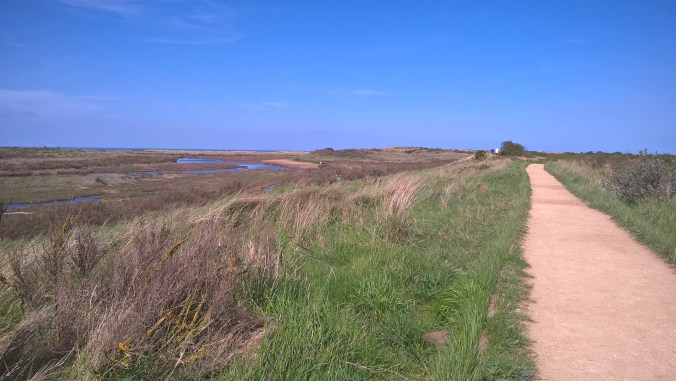
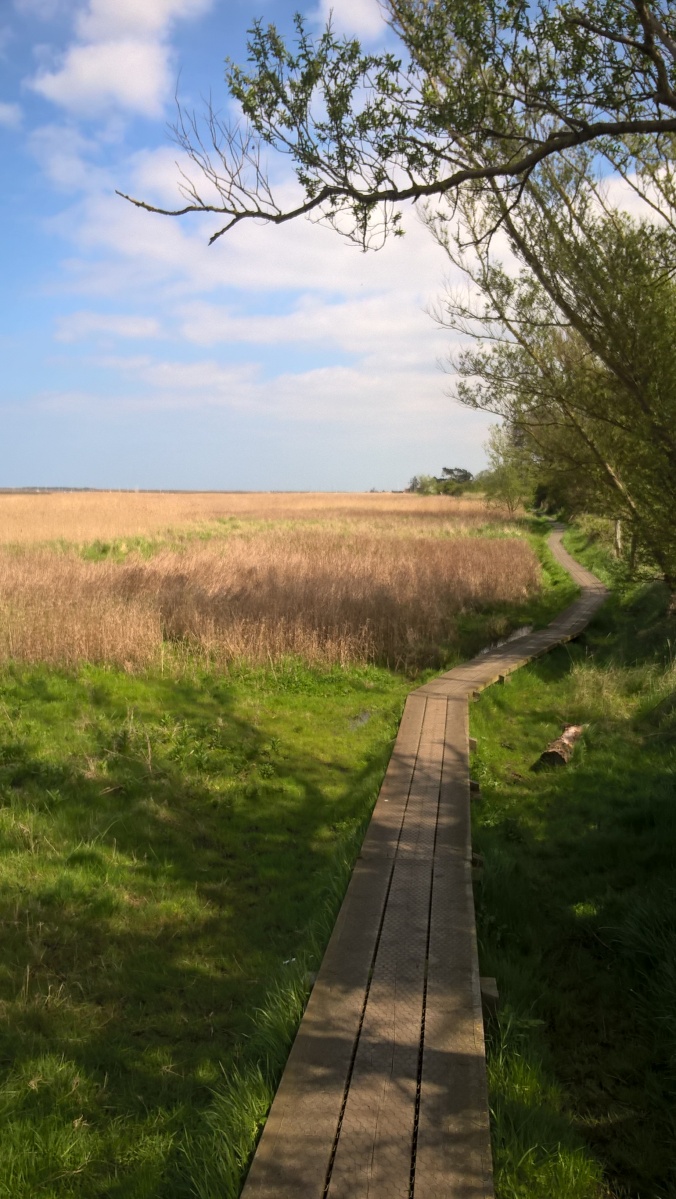
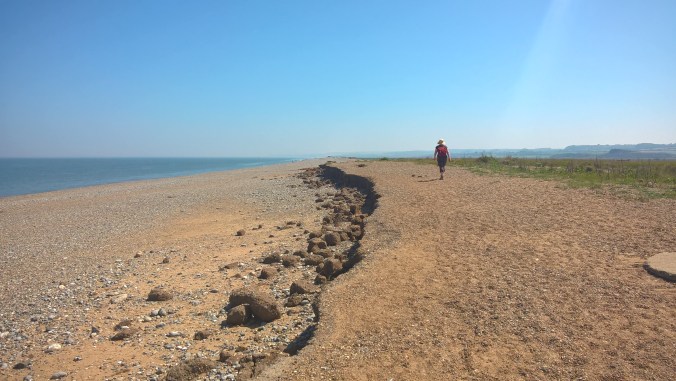
We thought we might give the Norfolk Coast Path a go – Hunstanton to Cromer, as it’s not too far away, and flat, and beautiful, and dotted with lovely B and Bs and tea shops and pubs for rest stops….

And we did!  Before the weather got to be quite as hot as it is now, we walked the distance, with breezes and the cool brown North Sea to keep us going.  Taking on such a, for me, long walk was made all the sweeter by the memory of illness recovered from, health restored.  How good to feel the strength of your body, to rejoice in its ability to just keep on going.  How good to let your feet take you over sand, and marsh, and boardwalk, and lane. It felt good to rejoice in being upright, and in seeing such beauty.

WP_20180507_11_17_46_Pro.jpg

I’m hoping to write up some more of what filled my notebooks as we went, but, for now, I’m just dipping my toes back in with a poem about a key part of the walk, the coast bus, which made it possible.  You can walk one way and get the bus back, or to wherever you need to be that night.  It’s a bus well used by the locals, who are happy to tell you about good shops, and places to see marsh harriers, and other useful things.  It’s cheerful and kindly as community services often are.

One day, we were done as the schools closed, and it was so good to share a few miles with kids who were clearly happy to be on their way home again.  It prompted another small poem, which I share with you now.


Norfolk coast bus

Sitting on the coast bus after
the wild open walking,
the huge sky,
the oyster-catchers,
The saltmarsh, and the reeds,
my legs stick to plastic seats,
the sun strikes hot through glass,

But as I breathe and cool, I hear the
young voices all around me,
laughing, wrestling with
musical instruments,
sports kit,
bags of files,
the weight of
home-from-school.

And when anyone reaches their stop,
one boy, near the front,
says goodbye to them,
each in turn,
and the partings ripple
back down the bus –
he, young as he is,
sets the tone.

You see the web
woven between them,
hot in nylon blazers,
and feel the life of them,
the kindness of them,
despite their loads.

For these few miles
I feel I am in community,
connected,
as I take off my straw hat,
and loosen the damp hair
from my head,
as the sound of voices
surrounds me
as the bonds of friendship
surround me,
I am restored.

WP_20180507_20_33_10_Pro.jpg