October 21st

IMG_0615.JPG

IMG_0617.JPG


IMG_0618.JPG


img_0620

img_0623

This poem is a product of my not-quite daily practice – of simply writing to fill up the page.  It is a discipline learned from Julia Cameron’s invaluable The Artists Way, where she advises Morning Pages – filling up three A4 pages every day.  You are not attempting to “write” or do anything creative, you are just getting to the end of the pages.  In the process, all sorts of interesting things will happen, but that is not your concern.  You are learning to silence your inner editor, getting it to turn the other way while you are in the first tentative stages of creating.

Once you have got used to simply writing, and not reading or thinking about what we have written, after a few weeks of filling up pages, you can begin to go back and look at what you have written.  Sometimes, amidst all sorts of moaning and lists and thinking on the page, you find you have the beginnings of something.  Sometimes, it is like mining ore.  Once your inner critic learns to leave you alone, you find all sorts of things emerge, like this.

One of the things I often find myself doing is describing what I see around me.  This is what I did.  To honour the process, I have called the poem by the date, rather than giving it a subject.  It is a record of this moment, this sitting in the garden wrapped against the growing cold, writing.


October 21st

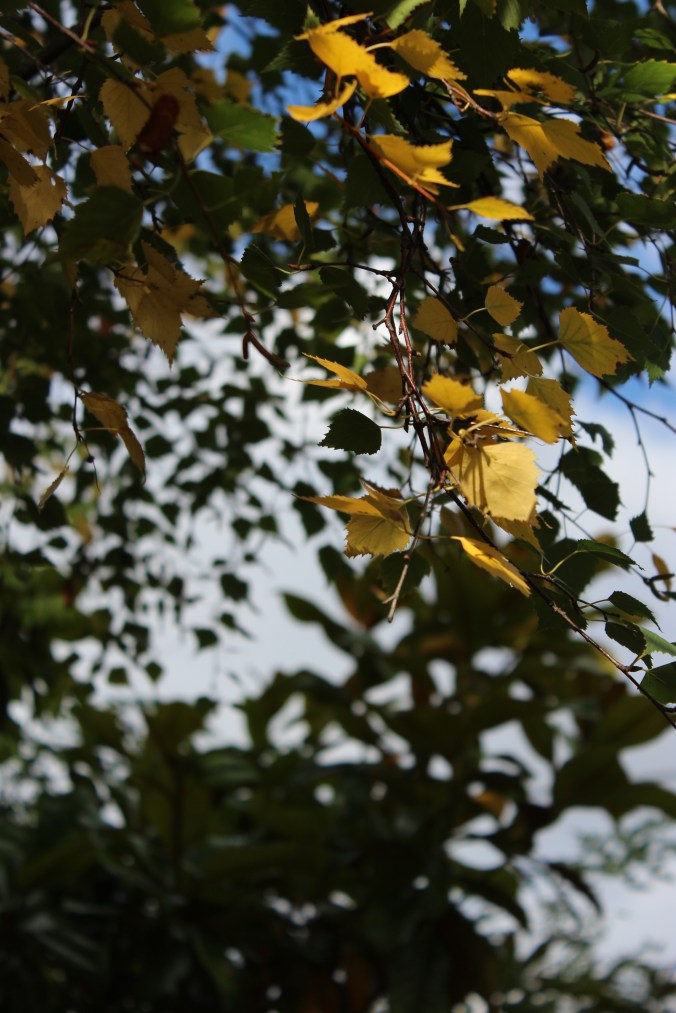
How lovely the light is, low and golden,
falling in sheets through low, golden trees.

And the birds sing now, this morning,
in a song sharpened by last night’s frost,
the first – cold, clean, white.

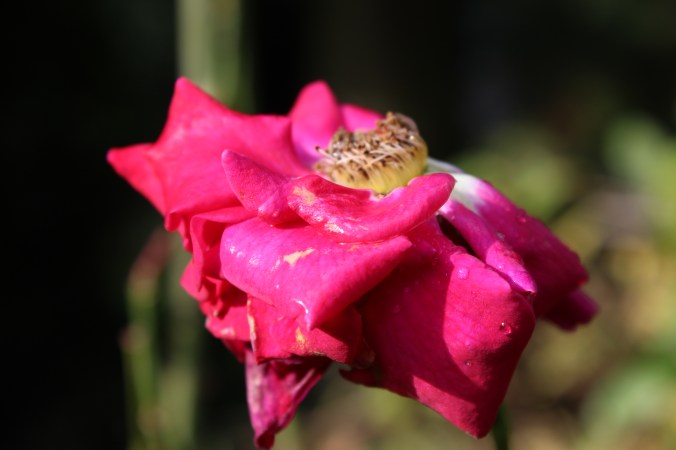
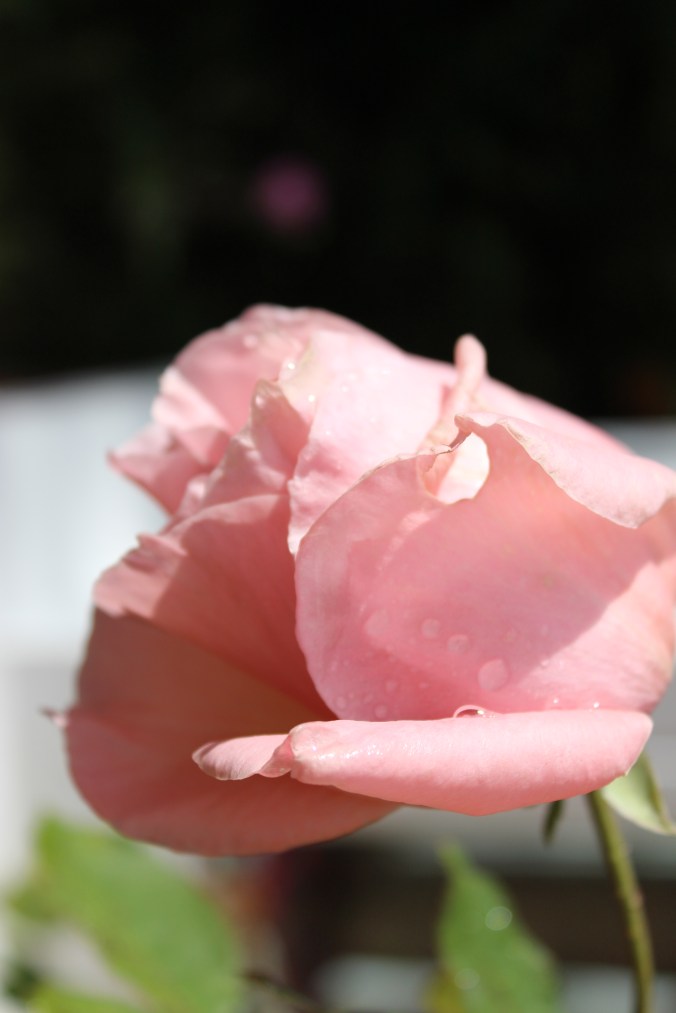
The red roses are scentless with ice,
petals rolled to elegant, sugared points.
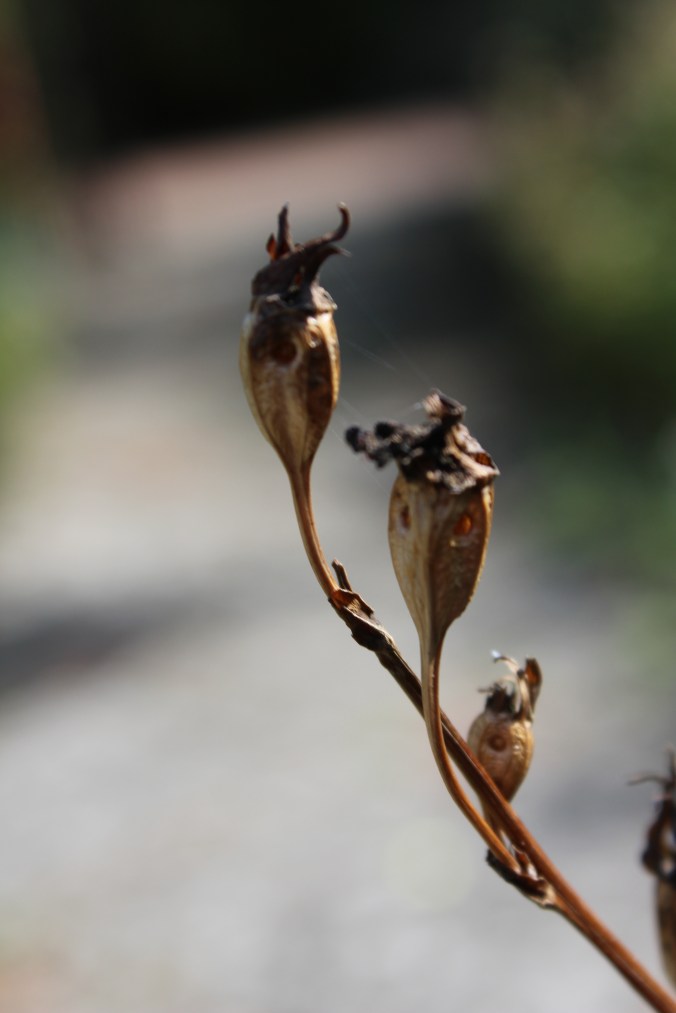
And above them the tall, brown seedheads
rattle gently in a gentle breeze.

I will cut them back, but not yet.

They hold this moment, now,
in their full, dry cups, swaying
between summer’s fallen petals,
and spring’s sharp green.
And coiled inside their
tiny black seeds are
flowers without number,
scattering in the icy breeze.
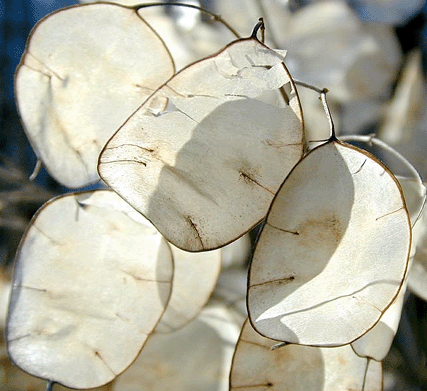
Honesty

honesty-seed-pods

Image from higgledeygarden.com

Where do ideas come from?

You may have decided you would like to write, or paint, or undertake any creative practice, but  white space stares back at you from the paper, or the canvas, or the screen, and your mind feels as blank as the page.

What helps me is to begin.  That means deciding to fill up a page – not trying to accomplish anything grand, or anything specific – showing up at the page and filling it.  Often I do this outside, and often I end up writing about the things I see around me.  Sometimes, as I do sisomething catches my attention.

This time, it was the seed-heads of the honesty.


Honesty

The seedheads are drying.
They were purple green, fleshy,
lit up dancing by the summer sun,
and now they are thin, and dark,
like the cratered moon seen
through thick smoke,
or burnt paper with
smudged, forgotten words.

And now, as they dry,
the seedheads rattle and split,
shucked by the north wind,
shedding one half of themselves,
the darker half, those thin circles
rolling over the green lawn.

What is left is shining like
an open shell, glowing
in low light like
so many clear moons
caught in a white net.
Now, they are showing
their heart-colours,
pale and lovely at last.

Rain


IMG_0608.JPG

IMG_0606.JPG


IMG_0607

So, today, it rains.  I am loving listening to the sound of it fall o the dry ground, the coolness, freshness, even the greyness of the sky and the newly soft light.

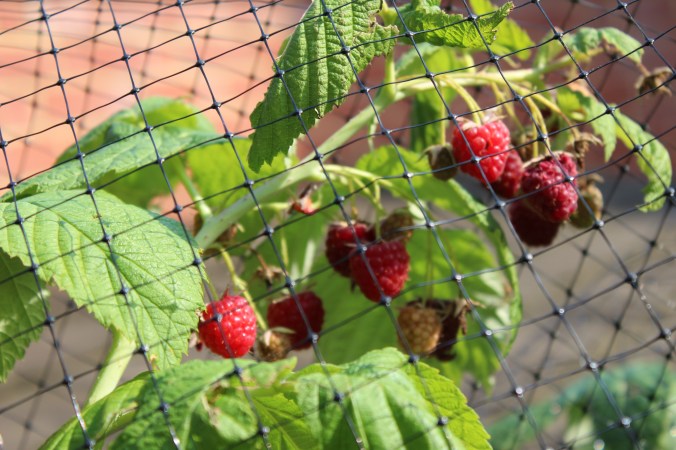
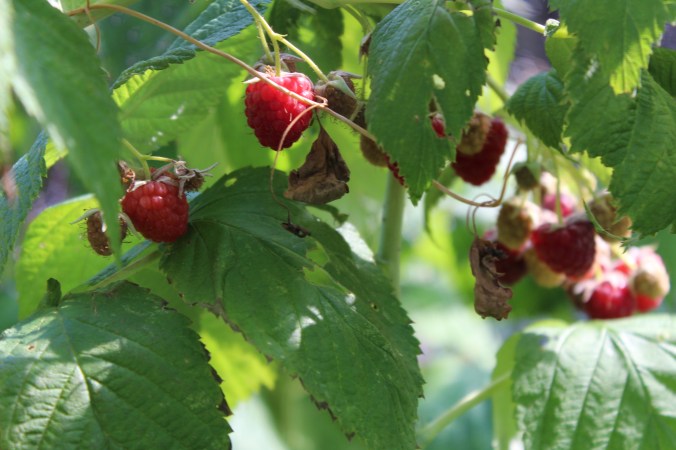
While waiting for the rain, my mind turned back to this poem.  I wrote it a couple of years ago, and so the raspberries in the pictures, this year’s crop, are healthier than the ones described below.  Water has been on my mind as I’ve been working on my  new book   on John’s gospel – water poured out as an offering, water to wash the eyes of the one born blind, water the bubbles up within you, so you are never thirsty again.  That gets closer to the other kinds of thirst here, in this poem.  There are many things we can be thirsty for.

Rain

The breeze stirs the raspberry patch,
the leaves with crisp yellow edges
rustle under their net,
and under them
are deep red fruits, dusted grey,
The colour of blood spilled
not today, or yesterday,
but months ago.

They are strong,
an intense sharpness.
They have lost their sweetness.
Yet, even so, the blackbird balances
on the net,  reaching down
with a hard yellow beak.

The ground beneath is grey, too, and
fissured like the fruit.
The heat rises, stillness falls on the ground
like thin shadows.
This thirst, this longing for rain,
grows stronger.
Desperate.
Joy, and gentleness,
love and lovingkindness.
Presence and peace.
These I long for.
I need them like flowing water.
Come like the rain.
Come to us like rain.

Flags

IMG_0592

IMG_0588.JPG

IMG_0589

Seeds – such extraordinary, tiny, dots of potential, each one full of flowers.  I tend to let the plants I love run to seed, and then I have handfuls of treasure to bury in the ground, for the seed must fall to the ground to grow.  In this case, the ground is the small and unpromising strip of land beyond my boundary, by the road.  It does no harm, that I can see, to sow here, and it carries the possibility of  something beautiful happening where there was little beauty before.

The difficulty with planting wild seeds in wild places is that they are unlikely to grow.  As such, they can seem more like signs of disillusion and futility than of hope.  I was wondering whether we can engage in acts of hope, of planting, of goodness and joy, for their own sake, and then, simply be delighted when something beautiful comes of it.  I sow and I forget that I sow, but, nonetheless,  I now have a few small flowers of campion, scabious and harebell growing where none grew before.

The sun and the rain are beyond my power, but the sowing is entirely within it..


Flags

The seeds are ripening now –
bluebells and red campion,
scabious and harebells –
in this space, this enclosed
garden space

So I offer them to friends,
and I cut the ripe stalks down
and gather them in my hands,
carrying them like so many
ceremonial flags –
my colours.

I take them to the thin strip
of ground beyond my flint wall,
making cars slow for me
as I scatter in this hot,
unpromising soil.
Yet, nonetheless,
I am filling it up with seeds,
slowly, year on year,
colours blazing in my mind.

Most will not take,
but the seeds are there,
and the ground is there,
and so what is there to do
but to sow, freely,
not expecting return,
amazed and laughing
when they grow.


Nest

Pigeon update: and today, just a few moments ago, they fledged!

IMG_0603.JPG

IMG_0604

IMG_0605

andreaskevington's avatarAndrea Skevington

IMG_0585.JPG

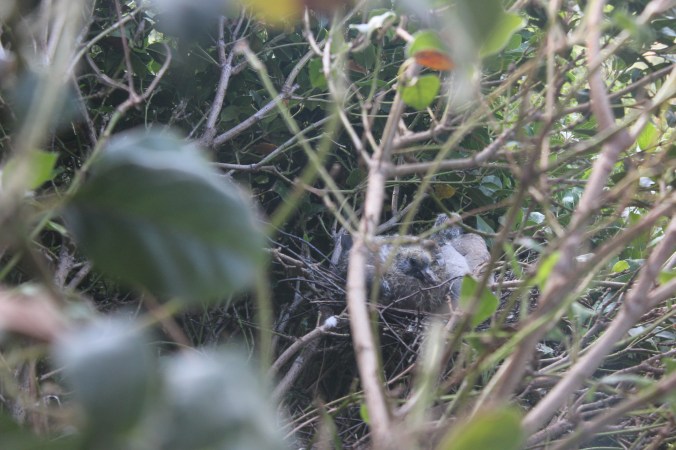
Poems can tell stories – I hope this one does – stories which seem to have a meaning beyond the events.  This is a story from the past week or so in my garden –  one of the many that unfold daily.  The story of a pigeons’ nest I uncovered.

As I began writing, I thought of the dilemma we all face as humans sharing their home with other creatures – how to live lightly, how to nurture and care for all who share our little bit of land.  As a large and powerful creature in this world, I have responsibility. I wrote about feeling like a giant in my own garden in Pulling up trees. In this instance, I had not seen the parent birds going in and out of this shrub. I thought I knew where all the nests were. I thought I had left it late enough…

View original post 296 more words

Nest

IMG_0585.JPG

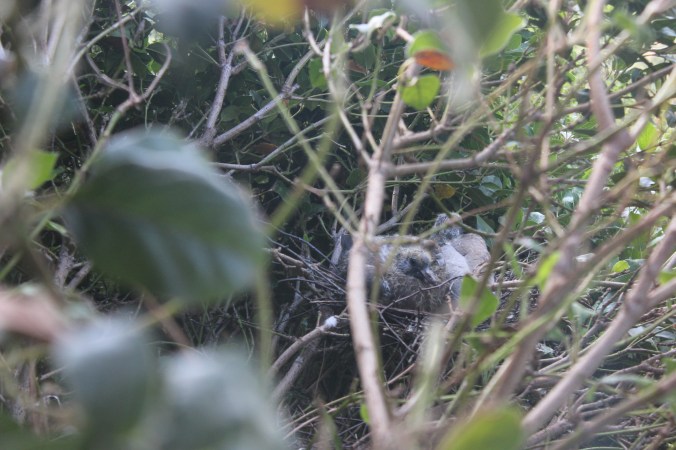
Poems can tell stories – I hope this one does – stories which seem to have a meaning beyond the events.  This is a story from the past week or so in my garden –  one of the many that unfold daily.  The story of a pigeons’ nest I uncovered.

As I began writing, I thought of the dilemma we all face as humans sharing their home with other creatures – how to live lightly, how to nurture and care for all who share our little bit of land.  As a large and powerful creature in this world, I have responsibility. I wrote about feeling like a giant in my own garden in Pulling up trees. In this instance, I had not seen the parent birds going in and out of this shrub. I thought I knew where all the nests were. I thought I had left it late enough. I was mistaken..

As the days passed, I cheered the two youngsters on as they adapted to their new situation – a nest with a view.  Their mother just carried on caring for them, a little nervously at first, protecting them from rain, feeding them, sheltering them from the midday sun, even though they were now exposed to the crows, and the buzzard, that fly overhead.  Without that care, they would not have survived.  With it, they are thriving still, despite my unintentional assault on their home. No one in this family is giving up.

When I speak positively of their new, open situation, of course that is not about the birds, but about me.  The birds are better off hidden.  I was beginning to think of how we, when faced with hard change, can raise our eyes, and find courage and hope in even an unaccustomed view.
The world is full of parables.


Nest

I leave things wild.
I plant flowers the bees
and butterflies
love.
Ground cover
covers the ground,
and frogs and newts
rest in the shade.

So, this is not what should happen
when my window is crowded with leaves
and I wait till high summer
till the birds are quiet
to cut
hard and deep.
Satisfyingly
the ratcheted loppers
slice through wood.

I stop

As I see those two strange
black creatures,
yellow feathered,
shaking in their nest.
I step back, as quietly as I can,
shaking too,
a destroyer of their world.

Inside, I close the curtain,
peep around to see
the mother bird nestles them,
tends and feeds them.

They thrive and grow
in this newly open nest,
small strange dinosaurs,
now fledglings
stretching their wings,
seeing all that space
all that light
in which to rise,
and fly.


Days

IMG_0019


overflowing flowers.jpg


Hurry.  I am ill suited to it – especially as the days grow hot.  I wrote this poem as a kind of rebellion against the feeling that my time was constrained, not my own, running away from me while I seemed to have none of it for the important things.

So I snatched time, and wrote.  As I wrote, as I paid attention to what was around me, I felt the time slow.  I felt myself breathe again. I felt the hard shells of the seconds soften, crack, and open like the seeds in the ground – become things of infinite possibility again.  I realised that, although my home is not the manor described in the poem, there are ways in which it is.  I can inhabit my days as if they were timeless, spacious, connected.  By slowing, by paying attention, by breathing, I found what I needed.  Most of all, though, for me, it is by writing.  Writing freely, writing the moment before me, is a kind of contemplation. It can become a kind of prayer.
I am reminded of Mary Oliver’s great advice –

Pay attention   Be astonished   Tell about it.

This poem was highly commended for the Crabbe Memorial Prize.
You can listen to it here


Days

There is little time –
flowers run to seed so fast under
this strong sun, this dry blue sky,
their leaves curling crisply, blanching.
Their hurry towards death unsettles me
as their stems rattle brown, poppyseeds
pouring through my fingers, tiny and dark,
pouring away like hard-shelled seconds.

I want to inhabit each day slowly, quietly,
as if it were an ancient manor among gentle lands,
with warm red brick thick with years,
that smells of fires, and of rosepetals
as they overflow cracked china bowls,
where time hangs in the spaces between
each tick of the clock, and open doors
let in the endless songs of trees.

There, I could think – uncurl fresh leaves,
as time shimmers like the deep pool, full of lilies,
where the bright dragonfly waits, and waits.

Bees

IMG_0565.JPG

IMG_0570.JPG

IMG_0572.JPG

Hot and thundery, the English summer arrives – it’s too much all at once, at least for me.
Here is a small poem written watching the bees through my window, on the powerful, vivid, lavender.
It is also a poem touching on transformation, something that is beginning to emerge as a theme, although I am not quite sure where it is taking me……. which is perhaps, the point.

Bees

I watch them on the lavender,
each purple flowerstem a pendulum of bees,
keeping time with its humming weight,
White and red tailed, bumble and carder.

A few honeybees come, too,
so few, and already yellow
with sweetness.
And butterflies – cabbage whites,
bright as paper – unfolding
in the scent of flowers.

When the summer storms come,
when storm-rain falls in drops
as big as bumblebees, and
hail clatters against the glass,
they rise, as one, and fly
between the drops, too fast
for me to know where they shelter.

They return to rainwashed flowers
one by one as I gather a few new stems
bright, fragrant, and roll them
slowly in a jar of sugar,
ready, in the time to come,
for delicate sweet biscuits,
icing for dainty cakes.

I do not have the alchemy of bees,
but I have my own, under this roof.

Three Days


blackbird2

Photo from Flickr, photographer unknown

IMG_0485.JPG

I have been transplanting buttercups into the verge at the front of our house, where there is no pavement, and have been thinking about boundaries – in particular the contrast between the rather wild garden, full of life, and the fast road outside.  This poem, written a few years ago, came about as I watched a female blackbird mourn the death of her mate.  She kept vigil for three days, and then she went.  I did not see her again.  It made me think about not only the intensity, the reality of each creature’s experience, but how often we live in our own enclosed worlds, isolated from each other, and how hard it can be to cross those boundaries.   How hard to credit and acknowledge the fullness of the lives around us. To begin to do so, to begin to see and understand another,  seems to me an important step to take.


Three Days

She stayed by the side of the road,
her brown feathers ragged,
stayed by the place where her mate lay,
black against the tar,
one wing lifted,
catching the breeze –
the passing of many cars.

Startled, sometimes,
she scuttered away into
the green growth,
then returned,
holding her head on one side,
but always she was there,
for three long days
and, for all I knew, nights.

What was the quality of her grief,
of the bond that tied her there?
We know so little of each other,
the unknown world folded
inside each being.
I walked humbly then,
knowing only to be kind.


Glad

It’s easy to see why the English  discuss the weather – on Monday, I lit a fire, and today is warm enough to throw open the doors.  A day when you can slow, and breathe, and see.

I am typing this looking out of the window you see in the picture below, looking to the place you are looking from.  The gardeners among you may notice it is a picture taken a little further into the summer, when the hollyhocks, which are babies now, grow tall.  It’s all there, waiting.

Below are a few small lines I hope will cheer your day, wherever you are.

IMG_0019


Glad

How little, some days,
it takes to make the heart glad.

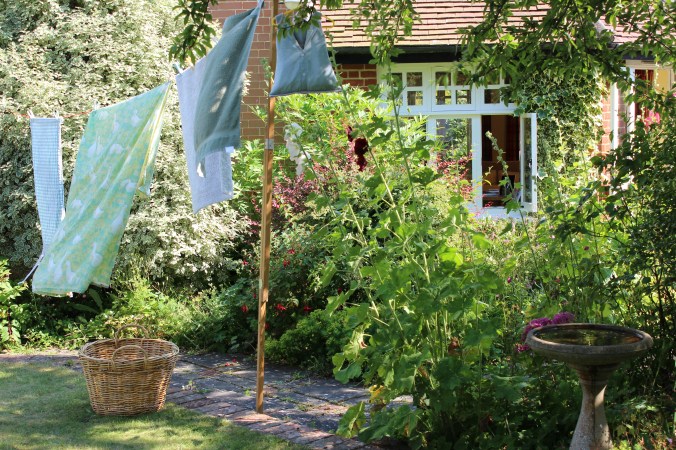
A line full of dry washing,
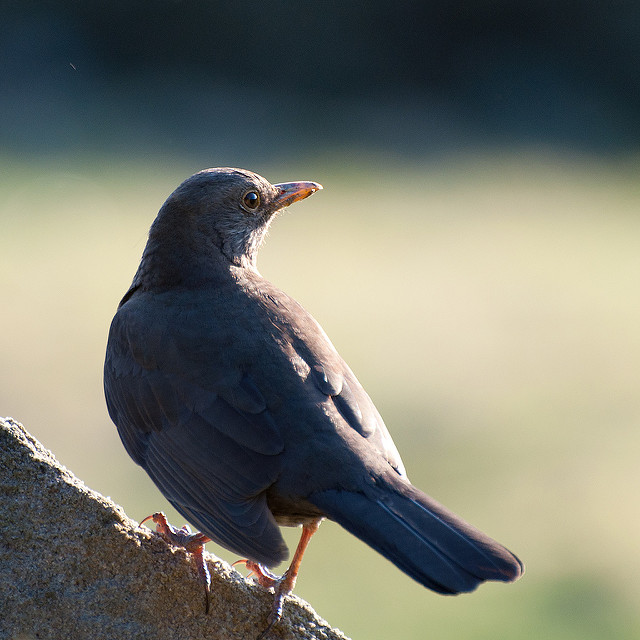
a mother blackbird’s beak,
heavy with worms,
sweetness rising in the grass,
a breeze shot through
with the scent of flowers,

these are enough,
yes, enough.