Poem: Wych elm

At the end of my last post, the poem Heat, I mentioned that I was working on some pieces that grew out of our recent walking holiday in Northumberland – on the way to Lindisfarne. I’m still working on the poems – one of the later ones by the logic of the walk has come first, and I’m wondering how best to order them….. However, a month or so back I wrote this piece – a quick garden poem – which I thought I’d share with you while I’m working on that sequence.

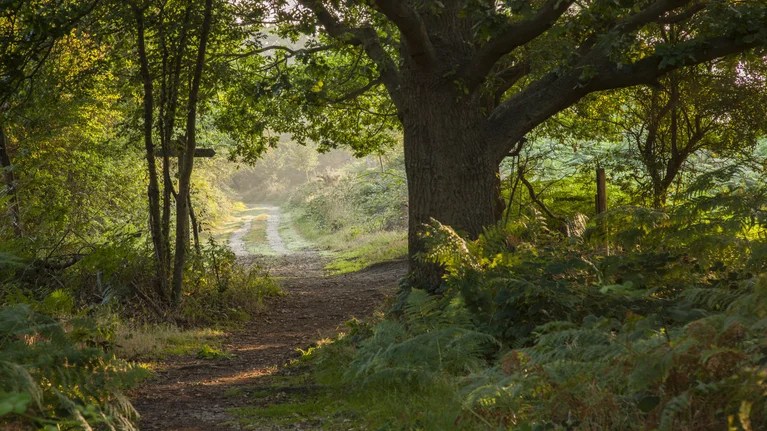
British readers may have heard about, or remember, the terrible loss of elm trees in our landscape in the 1970’s. Here and there, some elms are returning as low growing hedge-trees, or elm variants such as the wych elm. When I saw this little beauty growing in a wild spot in my garden, I thought at first it was a hazel – but it’s an elm, I believe a wych elm. I’m so delighted that this quite rare tree has found refuge with me. Nature has a deep capacity to find a way, and that continues at least for now. Life wants to live. Sometimes, it needs our help, as with the red kite, and at others, it needs space to seed itself – although I don’t know what love and care may have gone into tending this tree’s ancestors. We keep working, keep making space, keep seeking to give life room. For some, it is too late, but each part of the web of life we cherish matters more than we can imagine.

wych elm


Wych Elm

I remember the great trees dying,
as a child, I remember watching the
leaves wither and crisp.
I remember the whine of the chainsaws,
watching them felled and falling

Limb by limb. Felled and fallen
and carried away to be burned
in great smoking bonfires.
I remember the consternation,
the grief that prickled across the land –
my own, too.  I did love those trees,
the feel of the bark under my
soft climbing hands and feet.

And now, leaving – as I do –
things to grow much as they will,
I have found a wych elm
flourishing low in my garden –
surrounded by other, more
exotic and fragrant shrubs.
There, it has remained hidden.
It is wondrous.  It is a miracle.

Once more, I have felt an elm leaf’s
sandpaper roughness
in my hand,
have marvelled at its points,
like a precious diadem,
a green man’s crown,
priceless.

I imagine future vastness, looking up
into its great sheltering boughs.
But I will keep it low, away from
the beetle that flies by night.
And there, it will grow,
and I will offer it shelter,
this place a refuge for us both.
Poem: Heat, for Dunwich Heath and Minsmere

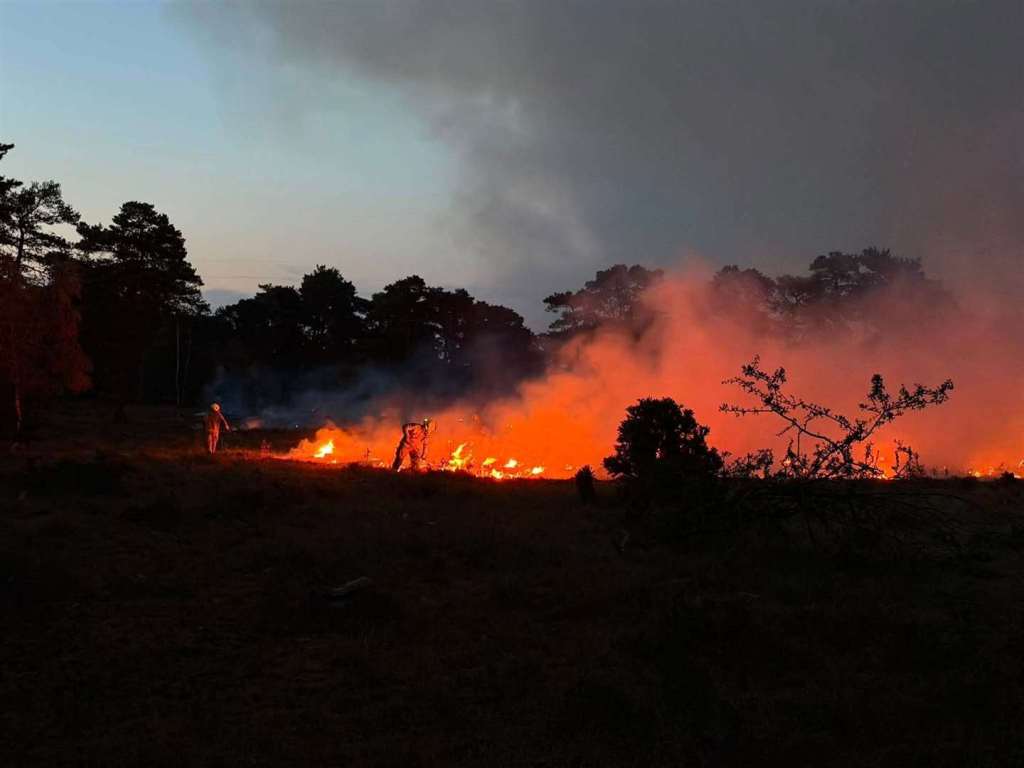
Firefighters are working in unimaginably harsh conditions, and have been for nearly a week now. Thank you for saving so much.
Image from Suffolk News

Last Wednesday, I heard fire engines going full pelt down our road, and, despite the heat, I felt a chill, kept my eye on the local news. We learned that our beloved coastal heath was on fire – is still on fire. I am heartbroken, and I am dismayed, and, I found as I began to write, I am angry.

So what follows is a departure from my usual style. I am in the rage of loss, and I’m weeping too as I type. I feel a little anxious about sharing it with you good readers, but I know that some of you, too, are experiencing climate grief, and have seen the places you love burn, and so in the spirit of giving voice to something that is not mine alone, here is my response. The setting for the poem is my garden, and watching the heat engulf it, flowing up from the south. I grieve its dry grass, the plants wilting and kept barely alive with kitchen water, but the imaginative destination is this monstrous fire.

Thanks to the East Anglian Daily Times for the image.

Heat

For Dunwich Heath, for Minsmere

I feel heat rise off the earth

the curling leaves of plantain
prickling in the grass,
the dead bumble on the brick path,
the thick slowness of blood
and sting of sweat in the eyes

Why is the lavender the only one that blooms

with its white butterflies tumbling together,
opening and closing their bleached wings,
uncoiling their long tongues to drink deep
with the hummingbird hawk-moth
and the white and the buff tailed bee?

The trees whisper dryly –
Look, look, they say, and I look.
There to the south, rising
like a cloud, like a fire,
like a shadow of flame
casting heat and envy down on
this small patch of once-green –

they sing with their cracked voices –
See this day the one who burns us

A great molech, mammon, wendigo,
a firebeast of heat and hunger devouring all.

He is vast, powerful
cares only for his own appetites,
he would grow and grow until the very sky burns
with clouds of dust
devouring the lives that were not offerings,
ash pouring over his cunning head

Wherever he walks, he leaves scorched
footprints on the soft skin of earth.
Whatever he touches turns to dust.

I see you, firebeast, small as I am.
I rise up and look into your red eye, as long
as I can, with my life-rage,
with my cool green fury.

Your servants chatter and spark,
and I see them too

And I will stand and I will speak
and I will sing to call out your shame
You who have grown mighty
by devouring.

Tell me, great firebeast, what is it you
have made, after all?
You make nothing, you can only take.

And who are you
to say that I am powerless before you?
For I sing with the trees in their
dry leaves, and with the softness of the
bumblebees, and we will shake the
earth with the shimmering scales
that fall from butterflies’ bleached wings,
and life will rage and rise and love and live.
And we will grow and make and mend
and work and sing,
and you will be small once more.

https://www.facebook.com/share/r/196axhAkgg/

I hope you will be able to find some drone footage from Ryan Lovejoy above. You will see the nuclear power station, with its vast construction site, in the background.

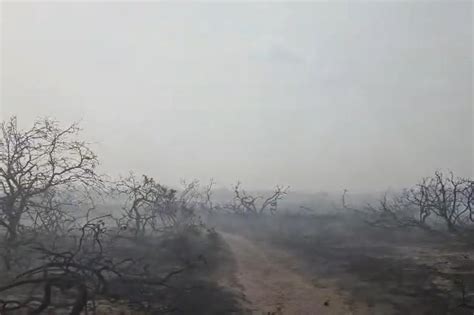
And here is a photo of the woods I love at Dunwich. I hope they have survived.

Photo from the National Trust. Fundraiser for restoration here.

This poem comes out of a summer practice with my friend Tracy W-B, where we are taking prompts from Mary Oliver and seeing where we go. This one started with The Summer Day, but quickly took on a life of its own. Tracy’s poem is a skilfully structured rendering, with real depth, and I commend it. You can find it here.

The figure of the firebeast comes from many sources, but the fire came to represent for me all the systems and forces in this world which seem to be aligning themselves against the very life of the planet and all of us. I have been reading the opening chapters of Jeremy Lent’s book, Ecocivilisation, which sets out how we ended up in this place with stark clarity. I have been feeling much in the reading of it, as you can see. Wendigo (mentioned in the poem) is an embodiment of the forces of greed and destruction I first came across in his writing. Those of you who are familiar with the Scriptures may recognise Molech and Mammon, similarly. I do not capitalise them in the poem. They are not worthy.

I have been working on writing up some more typical pieces for me. Our coast path walking has taken us from the Scottish border to Holy Island this year, and it has been glorious. Heat has sent me on a different track, but I will return with some deep beauty, I hope, before too long.

It is right to feel what has been lost. It is right to be moved to protect the good green earth.