Jesus said, ‘I Am’ – for Lent. Chapter 3, Light

foamylipmikelacey

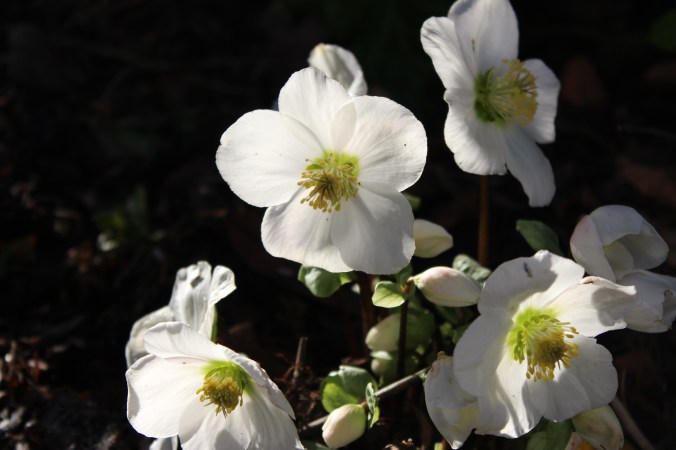
Mike Lacey Photography.

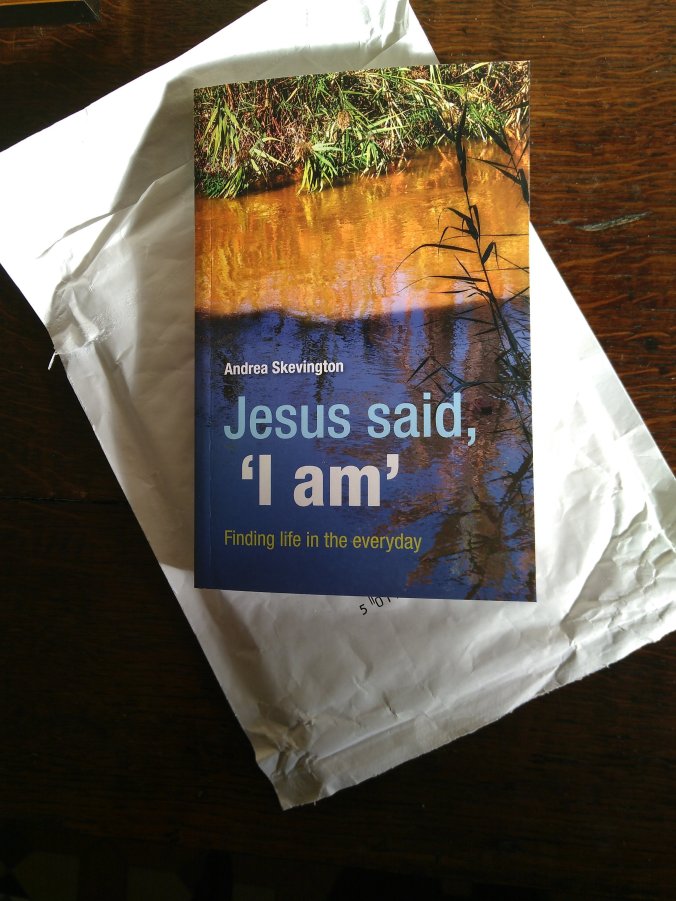
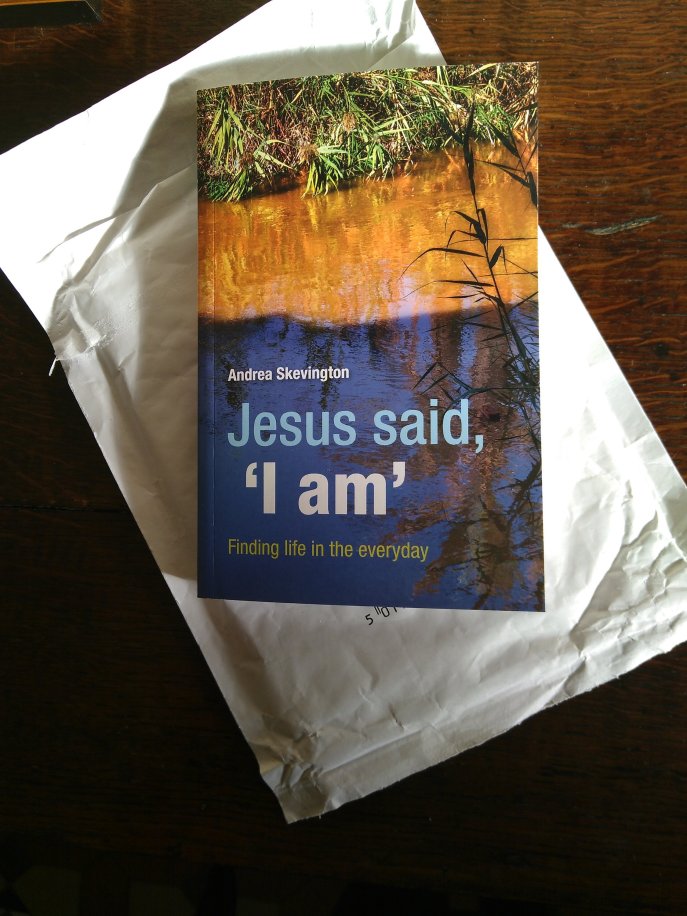
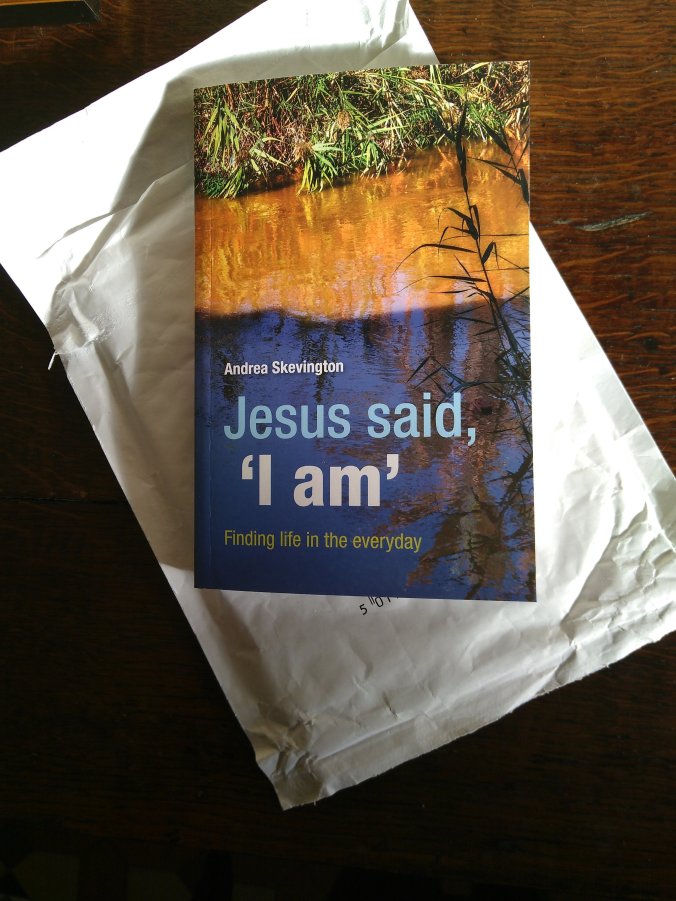
Welcome, and welcome back if you are following this Lent journey with me.  Whoever you are, I hope you find something that helps here.  We are now beginning week three by my schedule, and turning our attention to Jesus, the light of the world.  We’ll be continuing to draw on my book, Jesus said, I am – Finding life in the everyday
WP_20171016_16_03_37_Pro

“What has come into being in him was life, and the life was the light of all peoples.  The light shines in the darkness, and darkness did not overcome it.” John 1:3-4


IMG_0871

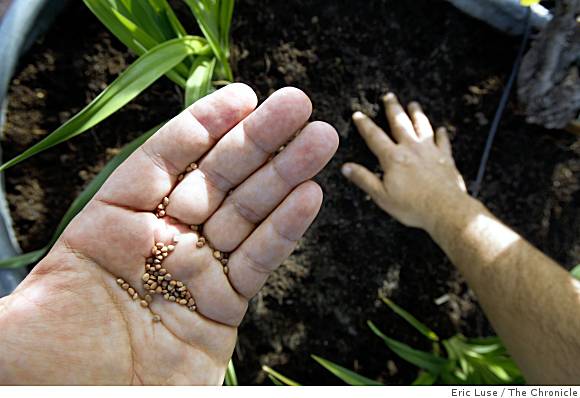
The days grow longer – each day, we are tipping a little more from darkness to light. I’m watching the plants respond to that light. I even have a few tiny seedlings coming up in my veggie patch.  At this time of year, the connection between light and life is clear, and fills us with hope.

Life and light.

It is often a good idea, particularly in John’s gospel, to look at the first mention, first use of a word or idea.  And often the roots of his themes are found in his opening words, the prologue.  But that prologue in itself carries echoes of something earlier, it takes us back to the very beginning of Genesis, where light is the first form spoken into being.

It starts with light. The things that live and grow on the Earth, our home, all depend on  light.  We cannot live without it.

And so when Jesus says he is the light of the world, we have a sense that these words are life-giving, momentous.  They speak of something we need every day, and yet the physics of light  – what light is – is hard for most of us to grasp.

“The true light, which enlightens everyone, was coming into the world” John 1:9.

wings-karol-livote

As the gospel stories are told, we hear Jesus saying I am the light of the world twice, and both times it’s at a turning point for someone, a moment which changes everything for them.  So once again we see that something that seems perhaps high and exalted, beyond our understanding, is revealed in the deep reality of our lived experience.

Jesus first says, “I am the light of the world”, in a very dark place.  The setting was the Feast of Tabernacles, or Booths, when the huge candlestick was lit at the temple, and the light from it was seen in Jerusalem’s streets……..

They [the religious leaders] seem to be policing the celebrations while Jesus is teaching in the temple, an eager crowd listening to him.  The religious leaders bring a woman before Jesus, caught in adultery, and ask Jesus if she should be stoned as the law demands.  The woman, whose life hangs in the balance, doesn’t seem to be of much concern. At this this challenge, Jesus does something remarkable. He shows us a different way of seeing, a different way we can think about the law.

The law can be used to judge and condemn another, or it can be used to throw light on our own hearts and motives.

“”Let anyone among you who is without sin be the first to throw a stone at her.”” John 8:7

…….

with the stones lying on the ground, Jesus says, “I am the light of the world.  Whoever follows me will never walk in darkness, but will have the light of life” for the first time. It is an active sentence – of following and walking, and even the light is the light of life.

It is easier to walk forward, into new life, when we can see the way.

The second time Jesus said it is better known – and that’s in a conversation before the man born blind.

“It was not that this man sinned, or his parents, but that the works of God might be displayed in him.  We must work the works of him who sent me while it is day; night is coming when no one can work. As long as I am in the world, I am the light of the world” John 9:3-5

We see some parallels between this story and that of the woman who was not stoned – in both cases, people seem most concerned about pointing the finger, apportioning blame.  Jesus does not do this.  He sees with clear-sighted compassion, not naively, but looking with the light of love, and looking for God’s work of healing and restoring.

Jesus did not go looking for sin and guilt, and did not apportion blame.  Human pain is, rather, the place where God’s work is to be done.

…..

God seems to specialise in the transformation of bad things. It is the resurrection power, to redeem, restore, make new.  What is more, it seems that the work is not God’s alone:  ‘We must work the works of him who sent me while it is day; night is coming when no one can work’.
There is a ‘we’ in that sentence…. So the challenge is not to judge, but to join in with God’s work.  God longs for us to act, as partners.  What an extraordinary thought! The hope is that when we are in hopeless and most desperate situations, like the man born blind, like the woman, we can encounter the glory and mercy of God.  We are open to the possibility of transformation.  Once again, Jesus’ language is full of action. ‘Work’ is the key repeated word.


Night is coming for Jesus, and this is his response – to give sight to the blind.


candles_flame_in_the_wind-other

We act now to lift the darkness we can.  We work while it is light.  This theme emerges again in the story of the raising of Lazarus (11:9-16). Light and work go together – and the work is the transformation of suffering and death, sin and despair, into hope and life.  It is the bursting out of a new dawn, a new light to live by. This is the life-light in action: the glory-light that is found in the strangest places.

Can we notice this life-light, the light of Christ?  Can we learn to see in its loving clarity? We know that if we turn towards light, like the plants, we will grow and grow well.


Reflection and Response

Oh, God, who spoke and light came into being, may we forever dwell in the brightness of knowing you.

May we bring the light of Christ to those in darkness,
may we chase away the shadows with hope and love,
may we hold a lamp for feet that stumble,
may we too be lights in the world.


The account of the woman and the stones we considered briefly above invites us to look at our own hearts and behaviour.  Lent is a good time for self-examination.

Quaker light meditation

The light of love and grace transforms our seeing.

The Society of Friends have various pamphlets available to help introduce the practices of meditation and silent prayer.  These are usually undertaken together, as a group, and the meditation below can be done alone or with others.  The words in inverted commas are those of George Fox, founder of Quakers, 1624-1691.  Many of the others are a paraphrase.  Again, you may wish to begin this in darkness, or use a small light or candle to focus.

Look Inside  “Your teacher is within you.  Mind what is pure in you to guide you to God” – remember the work of the Spirit within you.

2 Identify the light  “Now this is the Light with which you are lighted, which shows you when you do wrong.”  When you bring yourself into the light, you see your troubles, your temptations and your wrongdoings.

3  Let the light show you yourself “Mind the pure light of God in you” which shows the things in you that are not light: let your conscience be stirred.  Let the light of Jesus Christ search you.  Do not be afraid.  It is the light of love.

Trace the light to its source  Stand in God’s counsel, learn from the light that “you may be led forth in his life and likeness.” God is restoring God’s image in you.

5 Trust the light to show you the alternative.  Have courage to stand still in the light: it is the light of your saviour.  If you look at your sin, you are swallowed up in it, so look to the light by which you see it instead, and let your focus be on the source.

Feel the new life grow  “He who follows the light comes to have the light of life.” The Lord has sown a seed in you that lies shut up in the darkness, with winter storms about it.  He sends his light to the seed, that with time the new life will grow.

7 See other people in the light  “As you abide in the light, the life-light, you will see the kinship that is amongst you, for in the light no self-will, no mastery can stand.”  We are all equal before the light.

See the world in the light  This light lets you see all the world as it is, and keeps you mindful of God.

Learn to love in the light  Standing in the eternal power and light of God, we have strength to love those who persecute and wrong us; we have light enough to shed light on the paths of those who are against us.  This is how we learn to love.

Prayerful reading – for yourself or others
If you find yourself in a dark place, read through the stories again –  the woman with the stones, the man born blind.  Notice the depth of the pain these two were experiencing, and the easy condemnation.  Notice how Jesus responds. Notice how his presence transforms things.  Bring your situation into the light of life,  inviting Jesus, the light of the world, into your dark place.  Allow yourself to lay aside worry, and be lit and warmed by the love that waits for you. Stay in that place for a while.
You can bring someone you love, or a situation, before God in this same way.

Creative
Not knowing when the dawn will come, I open every door.  Emily Dickinson
Photography, light-writing.  Why not take on a photography project, perhaps one of these every day for a week, or take a camera/phone with you wherever you go.
Light-sources in your home/community
Reflections and light effects
the same object or view at different times, in different light.
The same subject using various filters.
You could print off any you like, to pin up, or make into “sending you light” cards.

Living from a place of light.

Jesus calls us not to judge, and yet reminds us to know a tree by its fruit.

Can we develop the discipline of looking at ourselves and others with a clear-sighted vision, which sees truly and yet does not condemn?
This week, seek to lay aside harsh judgements.  Perhaps we can seek to learn lovingkindness even in situations of hostility.  Kindness to ourselves means we can keep ourselves safe, kindness to others means we do not need to condemn or retaliate.
Perhaps we can begin our own move towards light in the way we interact with each other on line.

Social Media .  Think about the arguments  in these chapters [of John’s gospel], and compare them to those you encounter on social media and comments sections online.  How can we respond in a way which is more like Jesus?  How can we be light in this particular dark place?

wells-cathedral-5492

Scatter the darkness in our hearts, that we may be children of light.


I wrote a poem as darkness fell while I was sitting on the beach.  You can read the poem, Light, here.

A prayer for the opening of the eyes (to be said throughout the day)
May I see signs of your kingdom springing up like seeds, working like yeast in the dough.

Thank you.  Next week, we’ll be looking at the Shepherd and the Gate.


Please feel free to use any of this material that helps, saying where it is from.
Jesus said, ‘I Am’ – for Lent. Chapter 2, Bread

litte free pantry 3

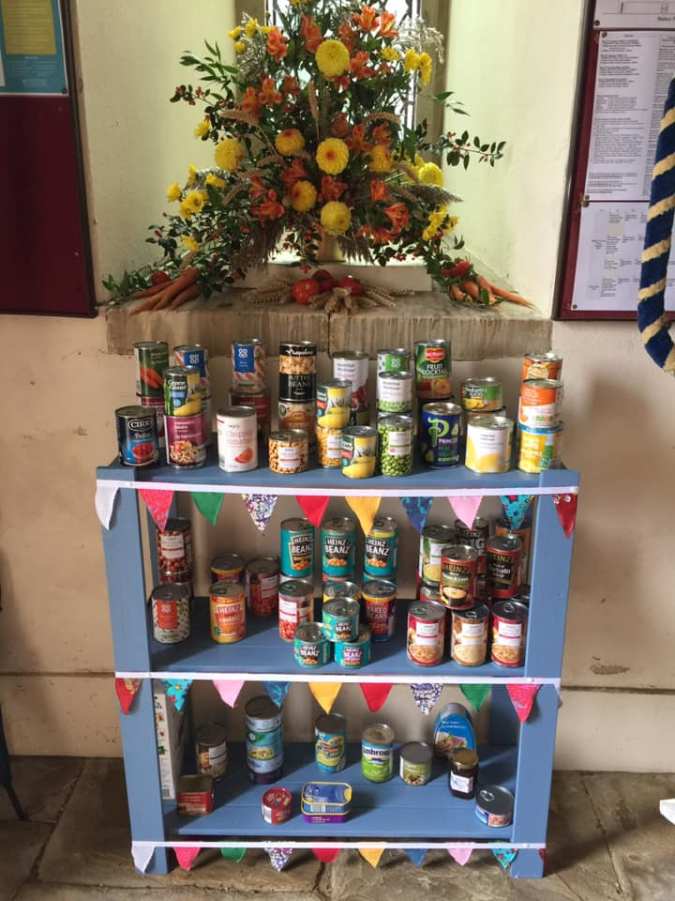
The Little Free Pantry  at St Andrew’s Melton. A community food sharing project.

John 6:1-15, 25-35

We are following my book for Lent – thank you for joining me.  I hope you find it helps.

As Lent begins, we think of the forty days Jesus spent in the wilderness, and the hunger and temptations he faced there.

Matthew 4:1-11

The first of these was to turn stones into bread, so it seems good to think about this first of the traditional I Am sayings at the beginning of Lent. Those two occasions of considering bread, or not, in the wilderness – the temptation, and the feeding of the five thousand – offer interesting contrasts.  You might like to hold them both in your mind as we proceed, seeing what light they might throw on each other.

Jesus fed a hungry crowd.  They had followed him to a remote place by the lake, where there was nowhere for them to get food.  There, he gave them bread to sustain them, and later he said he himself was bread – bread that came down from heaven, the bread of the life of the world.  Not surprisingly, they were mystified.

Some may be fasting during Lent, and this idea of following Jesus to a remote place, and finding that Jesus is bread, is coming to be your experience.  Maybe, imagining yourself into the story,  you see yourself as one of the hungry crowd.  Maybe you are one of the hungry crowd. Maybe lack of food is not a chosen discipline, but your economic experience.

At the very beginning of his ministry, Jesus spent time in the wilderness where he fasted, prayed and was tempted.  One of the temptations the hungry Jesus faced was turning stones into bread.  Jesus answers, “It is written, “One does not live by bread alone, but by every word that comes from the mouth of God””….. but as Jesus answers the temptation we are reminded of a deep thread in Hebrew thought – that the wisdom, the mind of God, the Word, nourishes and sustains us like food….. God feeds us like bread.  This way of seeing helps us remember that our inbuilt need for God is a deep hunger.

In Jesus, tempted in the wilderness, we see a paradox.  Jesus, this Word made flesh, feels hunger like us, needs bread like us.  Now, astonishingly, after this feeding of the hungry people, he says that he is bread, and that he will be broken for us.  This Word made flesh has become bread for us…..

Knowing that there is more than one sort of hunger, that the hunger of our hearts and souls is real too, does not mean that the hunger of the body is less important.  Jesus feeds the hungry people.  He feeds all of them.

Firstly, we notice who was fed: everyone, all that multitude.  Here we see the extravagant generosity of Jesus, and the extent of human need.  Bread was given to all the hungry people who were in the crowd: there is no payment, no worthiness criteria, no belief criteria in this feeding; simply, if you come, you will be fed.

All who need it receive bread.

The tradition of fasting in Lent was always coupled with acts of service.  As we think about hunger – our own, and others – we can think too of ways of feeding that hunger.  There is an abundance and a generosity in this story of feeding so many that can liberate us into our own giving. We think of the small child who gave the little he had.

sowing

And so, we see what Jesus does with the little he has been given by a child: he takes it in his hands, gives thanks, and then gives it away…… He gives thanks for the little he holds before it is enough.  This is another practice we can engage with: thanksgiving.  It is a powerful way of shifting us from a perspective of scarcity and anxiety to one of gratitude, of noticing the good and the blessing and the small loaves among so many hungry people. …..

Jesus models many things here for his followers: compassion for the hungry, a desire to help, seeing much in little and giving thanks.  After all have eaten, Jesus tells the disciples to gather all the broken fragments up, and there are twelve basketfuls.  Nothing is wasted………..

As we seek to find ways of living out these I Am sayings, perhaps we too can be a people who gather up the broken pieces, so that nothing and no one is wasted and lost.  It humbles us, it involves us stooping and searching for each broken thing.  By gathering the broken, we are following Jesus’ instruction and example.  The kingdom is the very opposite of a throwaway society.


seed

Reflection and Response

Enough, not enough?

Sometimes we can look at the little we have at our disposal, and the greatness of the needs we see, and be overwhelmed.  Look at the exchange between Andrew and Jesus. What have you to offer? Where do you feel a lack? Meditate on this scene, bringing objects that represent what you have and where you feel a lack, and lay them before you.  Use words and paper if more practical.  Ask Jesus to bless them and give thanks for them.

Make a practice of always doing the little you can, and asking Jesus to bless it and multiply it.  What do you notice as you do so?

bread

If you have done the meditation above, and you have considered that you may have some financial resources, or cooking ability, you might like to move to the next activity.  If not, feel free to adapt to find some way to be generous – giving attention, a smile, a blessing, can transform things.
If you feel very empty right now, do think on the hunger of the crowd, and how they were fed.  It is good to ask for what you need.

Bread for a hungry world: social action
Feeding people was a sign of God’s kingdom.  How can we live that out where we are – open-handed – thankful for what we receive, ready to share? Perhaps there are food banks or homeless people near you for whom you  can buy food.  Perhaps you can cook and share what you have made. Perhaps you can support a charity that feeds the hungry.

If you are fasting from any  sort of food, you could consider buying it anyway and putting it in the food bank.  Our little local Co-op supermarket has a collection box for the Salvation Army.  Our church porch has a Little Free Pantry – simply a set of shelves that anyone is free to donate to, and receive from, at any time.  It’s easy to set one up. You can find out more following the link under the picture at the top of this post.

Let nothing be wasted.
Set yourself a challenge for the week: to avoid waste, especially food waste.


Think about these three things, and how to make them your practice this week:
gratitude, generosity, avoiding waste.


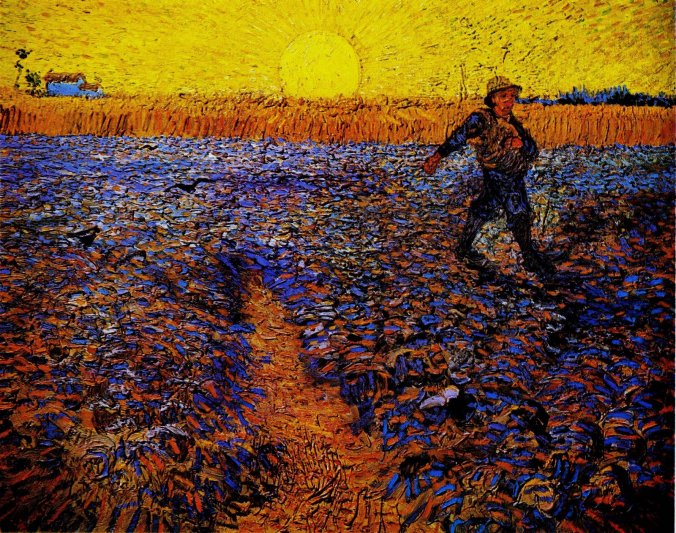
the-sower-van-gogh

Vincent Van Gogh

You might like to extend your reading with thinking about The Sower and the Seed or small seeds from the Sunday Retold series.

A blessing for food from Prayers and Verses

Lord Jesus, who broke bread beside the lake and all were fed,
thank you for feeding us.
Lord Jesus, who asked his disciples to pass food to the crowds,
may we do the same.
Lord Jesus, who saw to it that all the spare food was gathered,
may we let no good thing go to waste.
Lord Jesus, who gave thanks,
we thank you now.


If you’d like a copy of the book, you can ask your local bookshop, or order online.

Here are a few suggestions:

The publishers, BRF

Amazon


A link to Malcolm Guite’s thoughtful sonnet on this saying can be found here.

Remember you are dust….. Ash Wednesday, for life.


van-gogh-the-sower

I’ve been thinking a lot about being the same stuff as the earth as I’ve been pottering around in the garden watching spring emerge, and reflecting on the parable of the sower, and other stories Jesus told.

IMG_0773.JPG

img_0786

Ransoms, or wild garlic – as I made dumplings with them, and enjoyed them, I felt part of our local wood.

Today, Ash Wednesday, I emptied our Baxi grate, and carried the ash to the compost heap, getting covered in the stuff as a gust of wind blew.  It was a far more comprehensive ashing than we normally receive in church, and it felt given to me, a reminder of my state as dust, ash, earth.  As I stirred them into the first grass clippings of the year, and yesterday’s lemon peel from Shrove Tuesday, I thought about the beloved tree that we lost in our garden, and how it’s kept us warm this winter. I gave thanks for it. I thought too about Malcolm Guite’s Sonnet for Ash Wednesday, that speaks of the burning of the world’s forests.  I though how complex and delicate our relationship with the rest of the natural world is, and how easy it is to abuse and neglect its care.

It’s good we have these days and seasons – Ash Wednesday is right for penitence, and even lament, as we consider how separately we have tried to live from all that is good and true and sustaining.  How we have broken the Shalom, the peace and harmony of God’s intent for us and for all things.

It holds its own remedy, too.   People are normally given a cross of ash at a communion service, the great reminder and restorer of our unity with God, with each other, with the gifts of the earth in the form of bread and wine.  With the gift of Jesus.  Also, a reminder that we are one with the earth puts us in our place, and that place, if we stay with it long enough,  is a deep unity and kinship.  And that circled my thinking back to the parables, back to the talk I gave at Girton College ten days ago. It might help in the context of the burning of our world, and our state of being ash and soil.  Jesus told stories that speak deeply to our nature, and the nature of God and the world.  As we are made of the same stuff as earth, we can rediscover that connection, and in it find hope for an amendment of life, living more fully and abundantly, more joyfully and humbly and thankfully.

As we enter this season of Lent, may we be quiet enough to hear the whisperings, and the stirrings, of – not just new life, but a new way of living. We can repent – the Hebrew word normally translated such carries a meaning of turning back home, the Greek of having a change of mindset.  Both of these carry great hope – the reign of God is very close, all around, within us, if we but look and see.

Jesus said, ‘I Am’ – for Lent. Chapter 1, the woman at the well.


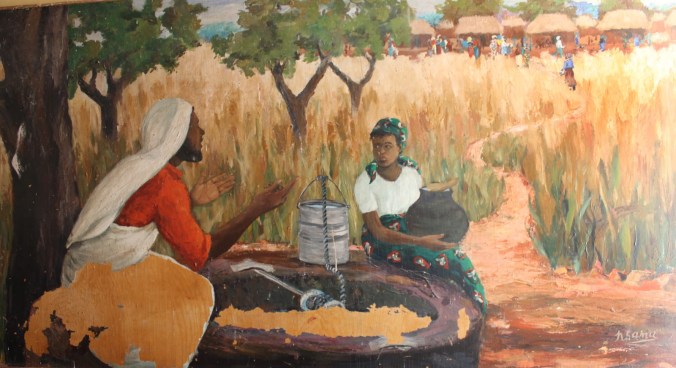
The bible scene with Jesus at the well with the Samaritan woman shows signs of damage and peeling of paint

Mural by  Emmanuel Nsama

If you are following my Book for Lent, welcome! I hope you find it helps.
If you’d like to begin at the very beginning, you could take a look at the chapter on Moses, and the burning bush – the first I Am. You can find a link to my post about that here.


IMG_0864

John 4:1-30, 39-42

It may seem a strange place to start, with this deep conversation that is not normally mentioned as one of the I AM sayings – and indeed, it isn’t one of the classic seven.  However, it is a story which has intrigued me for years, and when I found that this is the place where Jesus first says “I am”, I wanted to explore it more fully.  It is the longest recorded conversation Jesus has with one other person – and it is with someone who was on the other side of so many cultural barriers.

At a time when our politics is increasingly divided and divisive, where people box each other into categories, and make some lesser than others, this is a particularly relevant conversation.

John the Evangelist prepares us for this story very carefully, for it is profoundly counter-cultural. Jesus stops to rest near the plot of ground that Jacob gave his son Joseph. Jacob’s other name was Israel – one who wrestles with God. We are going back to Israel’s common spring, common source, at Jacob’s well. We are being reminded of a time long ago, before the time when and the Jews and Samaritans became peoples who saw themselves as separate. It is a place that holds meaning and memory for Jews and Samaritans – of their common father, and their common salvation story. John is placing us on common ground……

I think it is no coincidence that John begins this story by setting it against an atmosphere of potential conflict – between cousins, between related nations. We see Jesus acting out his mission to be a peacemaker, a reconciler. “For he is our peace; in his flesh he has made both groups into one and has broken down the dividing wall, that is, the hostility between us” Eph 2:14. Jesus himself is common ground, and his presence changes things. If we look carefully at how we are prepared for this encounter, we can see that we are being led away from conflict, towards reconciliation, to inclusion, and to hope…….

And so, as Jesus waits by the well in the heat of the day, a woman approaches.  We can only imagine what it must have been like for her, in a culture where a woman could be divorced “for any and every reason” (Matt 19:3). We often think of her as one utterly disgraced in her community, having to visit the well at such a time.  That may be so, but we must remember that at this time divorces were easy for a man to come by and early death not uncommon.  Whatever her circumstances, she must have known more than her share of tragedy and disappointment.  She may have known deep shame and disgrace.  She may well have been a rejected member of a rejected community.

And yet she, like everyone else, gets thirsty and needs water to drink and water to wash with.  She is as human as everyone else.  So often, we do not see people like this.  So often, we make quick judgements, build fences, wonder about people’s worthiness and, in our own pride and insecurity, seek to feel superior, chosen, righteous in some way.  Not so Jesus.

His question bursts through all our categories and barriers in its gentleness, its humanity.  It is a question that changes everything for this woman, and for her community.

“Will you give me a drink?”

Jesus humbly admits his own thirst, his own need.  If we have heard the parable of the sheep and the goats (Matt 25:31-46), this question may have a deep resonance for us, for there Jesus says that whoever gives a thirsty person water, gives it to him.  This story in John gives us a way of thinking about the needs before us.  How would we respond – how do we respond – if a stranger asks us for a drink?

overflowing_glass_5

And from the Reflection and Response section.

Pour out a jug of water and set it before you, together with a glass.
Ask yourself what you thirst for.  Allow honest answers to emerge and note them.  Where does your life feel dry and unproductive?  What would help?


“I was thirsty and you gave me a drink”
….If you buy drinks out, perhaps you could fast from one or two a week, and give the money to a charity instead………

You could carry extra bottles of water to give to the homeless or buy tea or coffee for those you encounter and drink with them.  I have gift vouchers for coffee shops in my bag to pass on………


trees

Think about this picture – look at the two trees, and the fence.
Where do you find connection in your life, and where separateness?
Are there ways you can reach across divides?
Pray for wisdom.  Remember how Jesus slipped away from potential conflict with the religious leaders.

“For he is our peace; in his flesh he has made both groups into one and has broken down the dividing wall, that is, the hostility between us” Eph 2:14.
What comes to mind as you meditate on this verse? Does it speak into an particular situation for you?


If you’d like a copy of the book, you can ask your local bookshop, or order online.

Here are a few suggestions:

The publishers, BRF

Amazon

img_20181130_114736372319885.jpg

This blog post also draws on the Sunday Retold series.

Thank you for sharing this time with me.


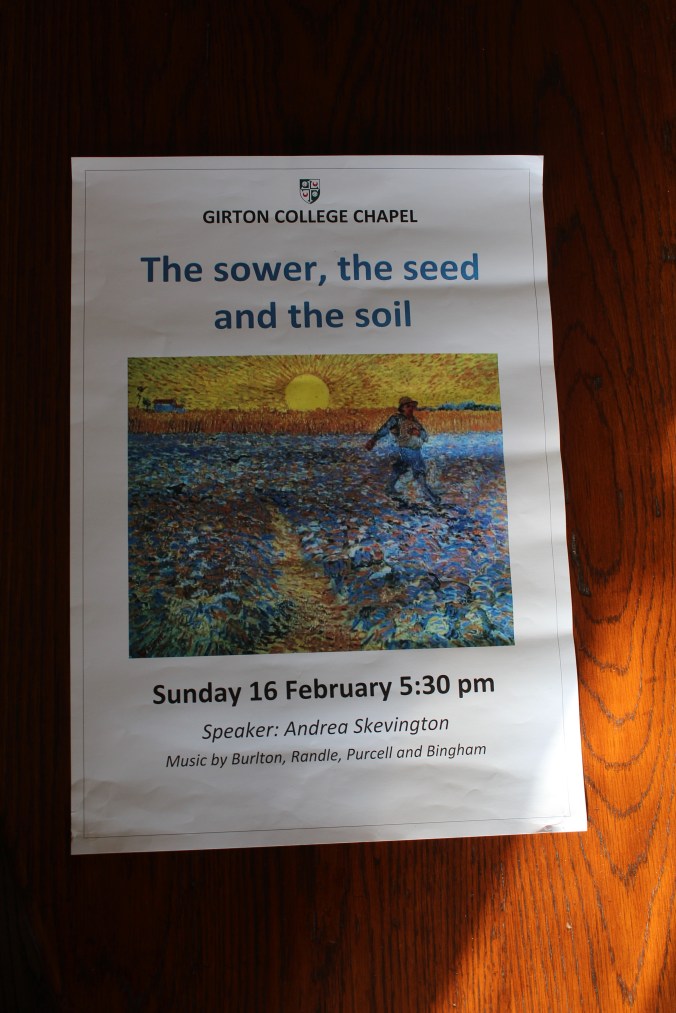
The sower, the seed, and the soil. A talk at Girton College Chapel.


IMG_0956

Last Sunday, I had the enormous privilege of speaking at Girton College Chapel. Malcolm Guite, the chaplain and poet, invited me to speak.  I’d been for the 150th anniversary celebrations last year, and Malcolm is continuing to invite Old Girtonians back this year too.

220px-Girton_College_Chapel_Window

It was so good to be back, and in the chapel which was good to me as a student.  It’s a beautiful, safe, nurturing space, and it also has a superb acoustic, which means that at evensong, you feel immersed in the roll of the music.  The choir are excellent, well worth hearing, and it was particularly good to have music by another Old Girtonian, Rhiannon Randle.  Her new work, Our Burning World, was performed on Monday.  You can read about it on her website linked above.

van-gogh-the-sower

One of Vincent van Gogh’s astonishing paintings of The Sower

Malcolm very generously gave me some flexibility to talk about what was on my mind, and I decided to follow where my thoughts, readings and prayers are taking me and talk about one of the parables.  I’ve been particularly drawn to Jesus’ parables of the natural world, curious to find out how he noticed to the flowers of the field, the birds of the air, and the work of tending soil for food.

Having driven to Cambridge through the tail end of a storm, it seemed very appropriate to be speaking from a parable of the soil. It is good to return to the gospels for wisdom, especially as humanity seems to be on the brink of a crisis in our relationship with the rest of creation.

Malcolm has kindly published the text of the talk on the College Website.  You can read it
here.

My thoughts on the parables are gradually taking shape into something, I hope it will be another book.  Sometimes, I know that there is some treasure to be dug, but I’m not sure what it will be until the digging is well underway.  So, I shall return to my digging, and see what good things I unearth along the way.


If you’d like to read more about seeds and sowing, you can look elsewhere on my blog, as below.

Sunday Retold – The Sower and the Seed 16th July 2017

November Sowing

Sunday Retold – Small Seeds, from Luke 17


Jesus said, ‘I Am’ – for Lent. Getting started


Featured Image -- 5148

Here in the UK, our late winter weather seems brutal.  This is not what we expect for February, and many people are beginning this season with the heartbreak of seeing their homes flooded.  This Lent, the Archbishop is encouraging us to take seriously the call to tend and care for the living earth.

WP_20171016_16_18_46_Pro
We are all increasingly aware of the fragility of the natural world, as well as its beauty, and the response sections of my book pick up these themes and give some practical suggestions for ways we can move towards greater connection, and greater care, of the living earth.  I am so glad to hear various groups, churches, and groups of churches are going to use my book as guide through Lent, and, if you would like to follow, you can find a suggested programme here.

IMG_0790


IMG_0871.JPG
Each week I’ll share with you a little from the relevant chapter.  This week, it’s from the first – I am: Moses and Abraham.  It’s short, so I hope you’ll be able to find time to read it together.  If not, we’ll begin next week with The Woman at the Well.

Moses and I Am
Exodus 3:1-14


John’s gospel looks back to Moses’ ancient story, recording for us how Jesus called himself by this name – “I am”.  This name, which emerged from a burning bush so long ago, is one of the most identifiable features of John’s account. It resonated with his early readers and listeners in Greek Ephesus, and it stirs our imagination even today, millennia later.  Before we go deep into John’s account, and explore why that may be, we will look back to Moses’ story and see what we understand of this earliest “I am”.

…….

Nothing is wasted in God’s economy.  God used the rubbish – and the good – in Moses’ upbringing and his life as a shepherd.  He became ideally suited to his task.  As well as his circumstances and experience, God used his character; in this case, a sense of justice and an indignation at bullies.  What must have felt like failure and a downwards path was the place where Moses encountered God.

We do not know if he was seeking God when God appeared.  We do know that he was in the middle of his everyday, working life, and that God did something strange to arrest his attention, awaken his curiosity, draw him nearer.  Attention and curiosity can guide you, can awaken you to God in the burning bushes we pass every day.

Moses certainly didn’t seem to looking for a job, let alone a great mission.  It is easy to read his rather thin excuses and wonder why he spent so long arguing.  His unwillingness to respond seems to come from uncertainty.

Moses is uncertain about himself, and he is uncertain about God.

“Nothing is wasted in God’s economy” – can we live from this realisation?  Can we acknowledge that even very difficult things can be fuel for something better?
Can we work to eliminate wasteful ways of living?

And from the Reflection and Response section

Earth’s crammed with heaven,
And every common bush afire with God.
But only he who sees, takes off his shoes.
Elizabeth Barrett Browning

As you start your day, pray for open eyes to see where God may be at work, or may be seeking to catch your attention today.  Set off with open eyes, a camera and a notepad.  Record anything that draws your attention.  At the end of the day, mull over what you have recorded in prayer.  What did you see?

IMG_0866.JPG

If you’d like a copy, you can ask your local bookshop, or order online.

Here are a few suggestions:

The publishers, BRF

Amazon


img_20181130_114736372319885.jpg

Thank you for joining me in your reading.  There is more to come…..

Jesus said, ‘I Am’ Finding life in the everyday. Readings for Lent

IMG_0864

Last year, I shared with you some suggestions for how to use my book – Jesus said, ‘I Am’ –  for Lent reading.  I know that individuals and groups, including groups of churches, did so, and I thought it would be good to share these resources again this year, with a few additions and amendments.  I hope you find it helpful.

IMG_0866

I’ve made a couple of tours round the garden this morning, checking the emerging plants after another weekend of major storms, and it astonishes me how well these fragile early plants have survived.  The blackthorn blossom, in particular, tissue-paper thin, has withstood an absolute pounding.   The birds are very busy on the feeders, and singing, and popping in and out of the thicker shrubs looking for nest sites.  The days are stretching out now, and it feels good to be outside, for a little while at least!

Lent is on the way with the lengthening days, and some of you may be looking for some reading, or a spiritual practice, for this time.  Many people seek to deepen their prayer, and commit to some physical discipline, and would like some company and support along the way. My book might be what you are looking for.

Each chapter begins with a short reading from John’s account of the life of Jesus, which is followed by some reflections, and then proceeds to offer suggestions for further study, and prayer, and creative response, as well as possible practical and community actions. You may be part of a small group or spiritual community, who might like to read it together.  If you might follow it on your own, I intend to publish a little something every week on this blog so that we can take this walk together, and keep each other company here.


IMG_0790


It might help you to see how it would work, so, below you’ll find a suggested calendar of how we could proceed – although of course it’s entirely up to you.  Each week I’ll post some readings and suggestions for things to do here on this blog.

Getting Started: Chapter 1, Moses and Abraham.  This is a shortish introductory chapter – you could fit it in this week, or as an extra piece of reading as Lent begins.

The woman at the well: week beginning Sunday 23rd February 2020.  Ash Wednesday is 26th February this year.

I am the bread of life: week beginning 1st March.

I am the light of the world:  week beginning 8th March.

I am the good shepherd, I am the gate for the sheep: week beginning 15th March.

I am the resurrection and the life: week beginning 22nd March.

I am the way, the truth and the life: week beginning 29th March.

I am the true vine: week beginning 5th April, Holy Week.

I am he: Maundy Thursday, 9th April, or another day this week.

It seems to fit well, I hope you agree.
If you want to find out a bit more about the book, there are extracts elsewhere on the blog, for instance here and here.

You can order the book from any bookshop, or online.
Amazon
Waterstones
and all the usual places.

This could be good!


img_20181130_114736372319885.jpg

Thank you – Jesus said I Am – publication day

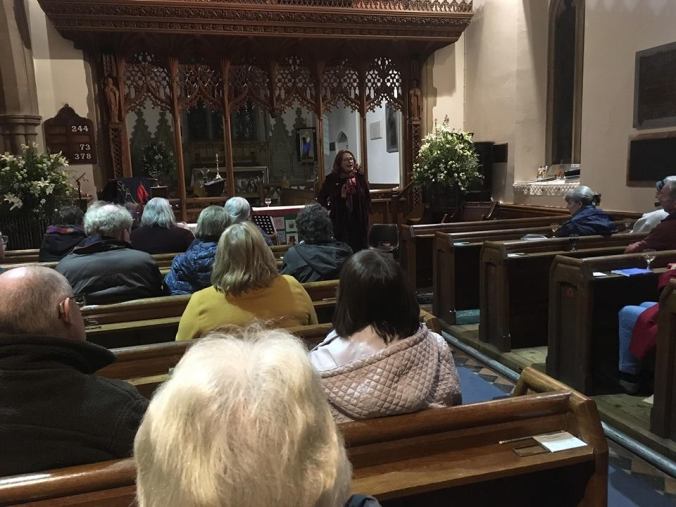
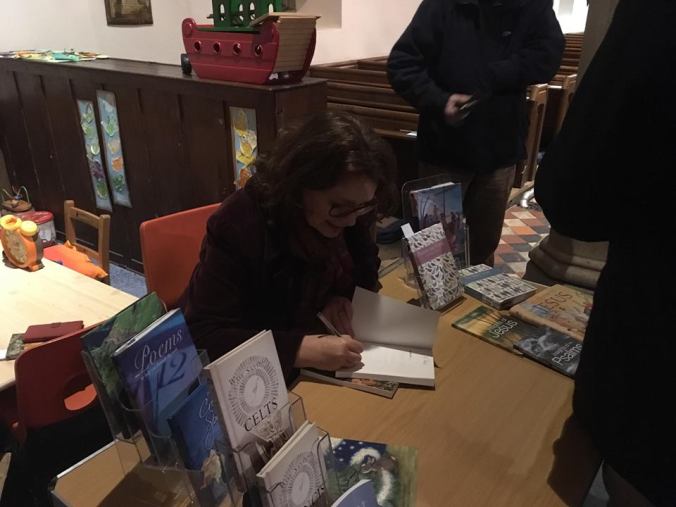
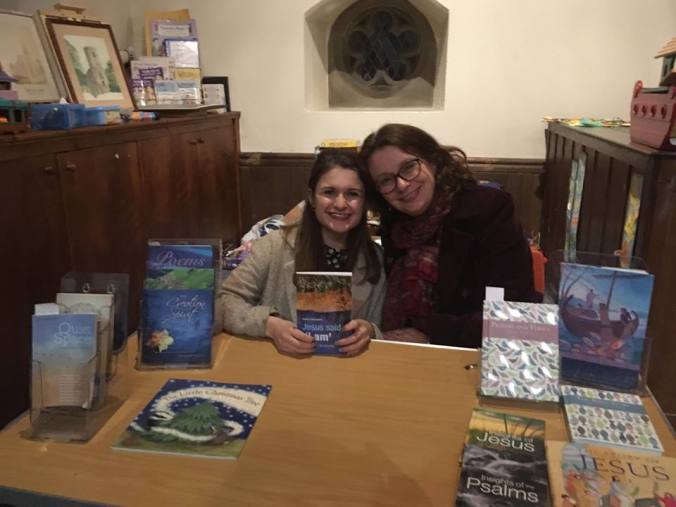
A year ago, on the Friday evening, we had a little launch for my new book, Jesus said, I am.
I am so grateful to all who helped support me then, and who have done so much to encourage me since.

andreaskevington's avatarAndrea Skevington

I just wanted to say thank you for the help and encouragement people have given me as this book has been launched. It’s been a very special time.

Here are a few pictures from the evening at St Andrew’s Melton.

book launch talkbook launch sign3book launch sign2.jpgbook launch lou2.jpg

If you’d like a copy, you can ask your local bookshop, or order online.

Here are a few suggestions:

The publishers, BRF

Amazon

img_20181130_114736372319885.jpg

View original post

Poem – Birdbath

IMG_0955

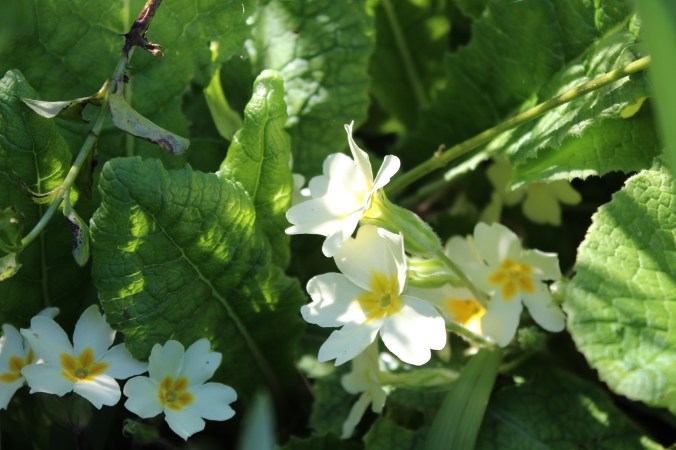
Today we are in a lull between storm systems, and there are patches of sunlight through the clouds.   The first primroses are emerging, already, and the garden is full of birds.  There is lots of shelter, and lots to eat – both insects who are thriving under the uncleared vegetation, and the seeds I put out.  Unfortunately, they were camera shy today, but I thought I’d share this with you anyway!

It is so good to feel part of this place of life, even in the depths of winter.


Birdbath

I watch the long tailed tits
gather on the birdbath

Like something Franciscan,

Then come the blackbirds,
territorial and vengeful,
sweeping their dark wings.

And the bareness of the
trees, the bareness
of the ground
seems clean,
hopeful,
in this unforgiving
northerly wind.
And I too am here,
and I too hope,
and dip my hand
in cold water –
blessed by birds.

Epiphany Retold – Looking out for stars

I’m reposting these readings and thoughts on the visit of the wise men for Epiphany.

andreaskevington's avatarAndrea Skevington

Part of the Sunday Retold series, with my version of the reading Matthew 2:1-12

Please feel free to use any of my material that helps, saying where it is from.
Last time, I shared with you the story of Christmas Retold – Escape to Egypt, where we read of the terrible suffering that resulted from Herod’s fear and jealousy and love of power.  This time, I have been thinking smaller, more hopeful, something that might help today, and tomorrow, and the next.  We need to see the darkness, and the light.

IMG_0773.JPG

Epiphany – the new season we enter on 6th January – can mean  a sudden encounter with God, an intuition into the heart and meaning of things, a burst of enlightenment, an event which shows things as they really are at their deepest level.  As a season, it covers some key turning points in the story of God…

View original post 2,091 more words