Otley Hall Quiet Day – 12th April

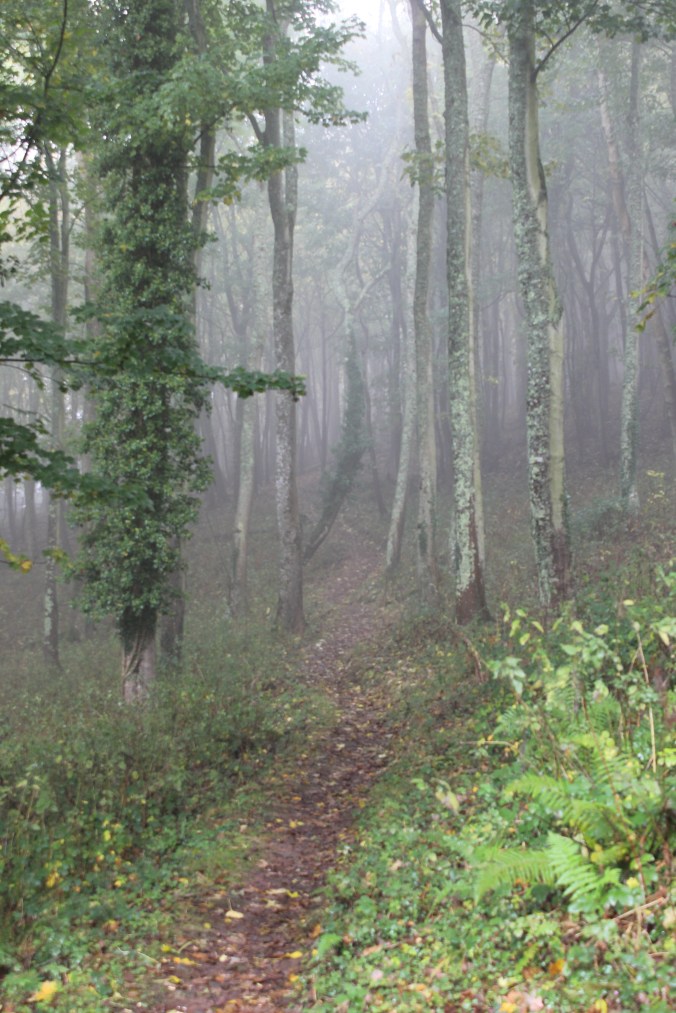
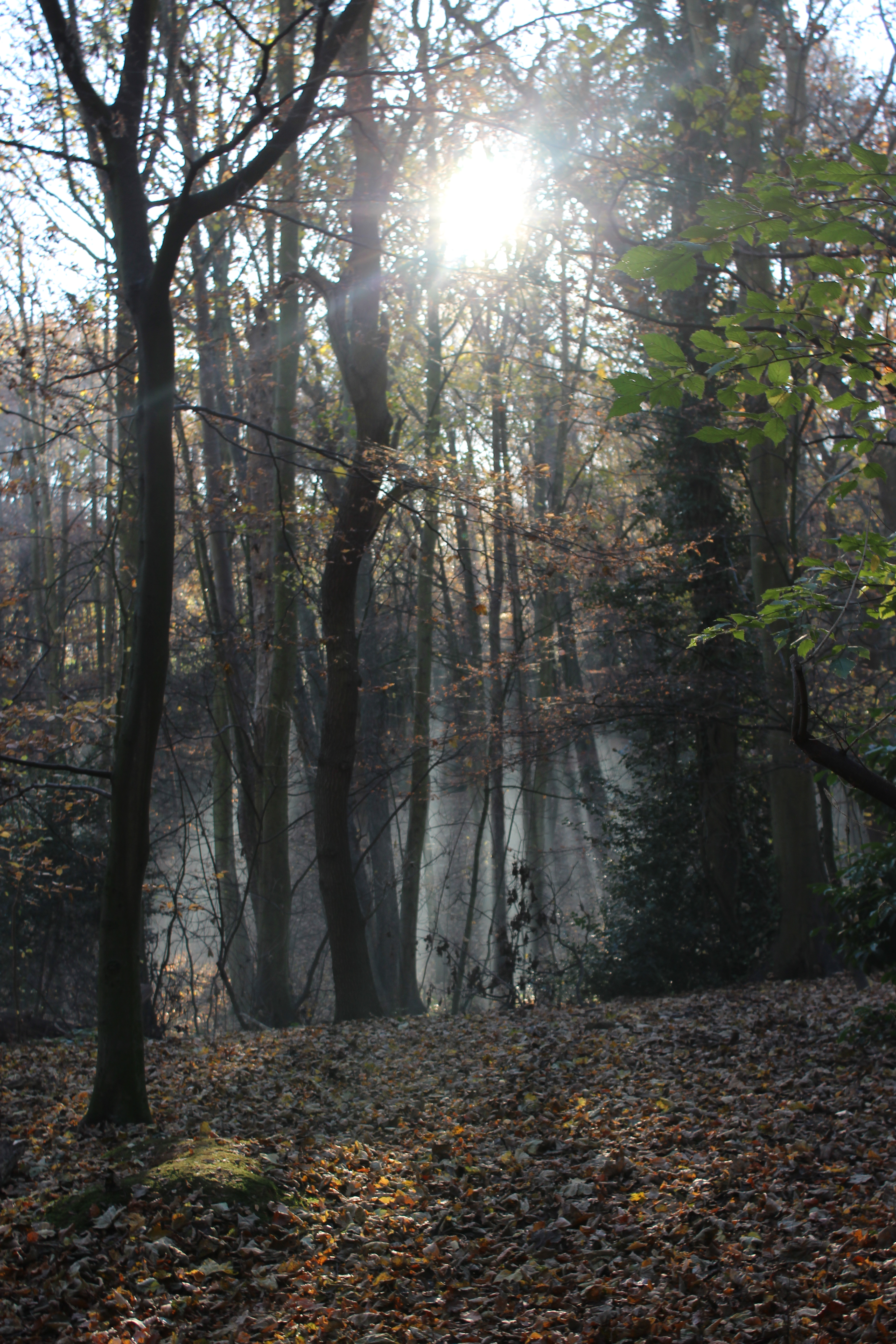
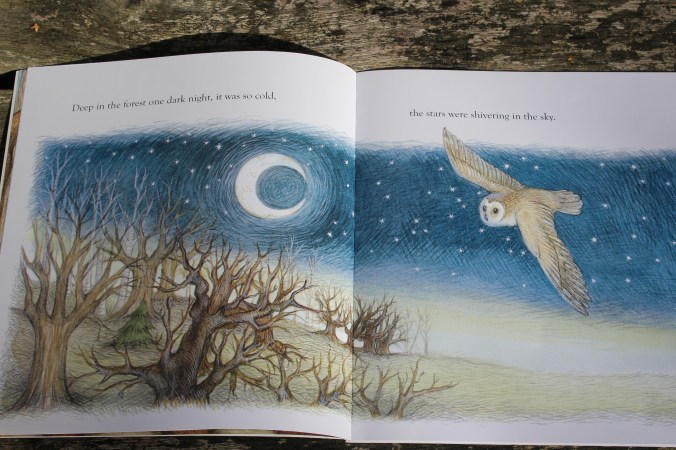
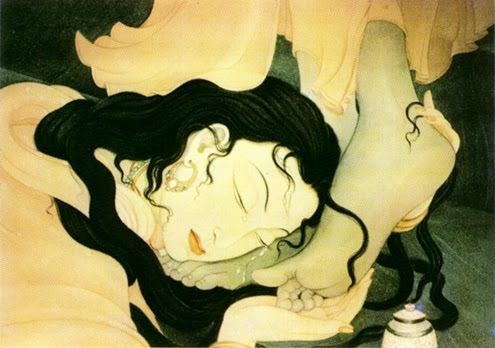
Here is some information about my next event, a day at the stunning Otley Hall in Suffolk on the Wednesday of Holy Week.
Otley Hall in the spring is a beautiful place.
It would be lovely to see you there!

Otley Hall Quiet Day
Wednesday 12th April 2017 10am-4pm

Entering imaginatively into the Bible

mary-anoints-the-feet-of-jesus-by-frank-wesley

We will read gospel stories, imagining ourselves into the scene, and then be free to respond however seems best  – quietness, poetry, prose, media of choice.  For those who wish, we will also think about how to communicate the treasures we find with others.

To book a place on the Quiet Day (£25 including lunch), contact Otley Hall
Otley Hall’s website
01473 890264

I will have a few copies of my books available to buy, thanks to Browsers Bookshop of Woodbridge.


Sunday Retold – Lazarus raised from the dead

Part of the Sunday Retold series, based on the readings some churches follow.
This week it’s

John 11:1-45

Please feel free to use any of my material that helps you, saying where it is from.

We are preparing to enter the season of Passiontide, towards the end of Lent when we turn our attention more fully to the coming of Easter.  This strange and powerful story is at such a  turn in John’s Gospel, a turn of the road that will take Jesus through death and into life.  We have had hints of what will come before, but this is something much more significant, which attracts much more attention. Crowds pour out of Jerusalem to see Jesus, and Lazarus, and the religious leaders are afraid, and their resolve to be rid of him hardens.

It also contains one of the great I AM sayings which form the backbone of my  next Book


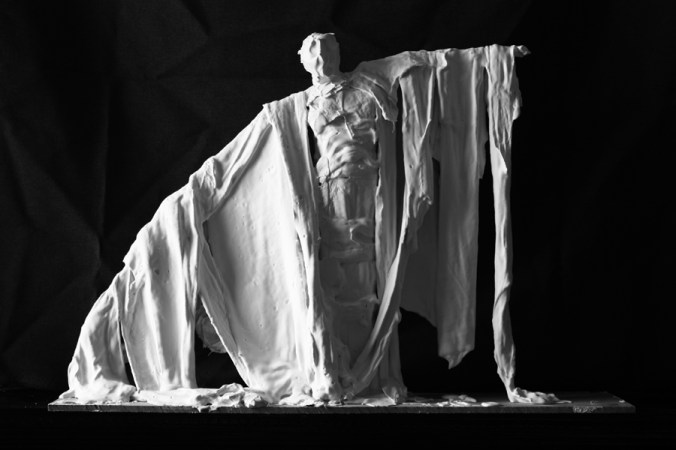
Lazarus

By Jacquie Binns

……
4I5

Jesus is now close to Bethany, when Martha, Lazarus’ sister, comes out to meet him.

“Lord, if you had been here, my brother would not have died,”  she says, the same phrase  Mary uses later.  They have such confidence that Jesus would have healed their brother, if he had been there.  Then, Martha continues….”But even now I know that God will give you whatever you ask of him.”

Martha’s confidence in Jesus seems to hold even in the face of his delays, and her brother’s death.  We do not know what she expected might happen – maybe she didn’t know herself, speaking in fresh raw grief.  Perhaps she was simply throwing her whole self, her whole confidence and trust, on this dear friend who was unlike anyone else she knew.
“Your brother will rise again”
“I know he will rise again in the resurrection on the last day.”
To Martha, this talk of rising may have sounded like a conventional consolation, and  Martha takes it up, this hope, and places it on the Last Day, a day when the dead will rise. It is hope that death is not the end.  It is a distant hope, though, for a distant future.
“I am the resurrection and the life.”   Jesus moves that distant hope – a time, an event, a particular future thing, and says this instead:  He is the resurrection and the life .  Now.
In him is life.

Jesus is more than the one who rises from the dead on Easter Sunday, for others to look on and marvel, and believe if they can.  He himself  is resurrection, and that means something transformative for Lazarus, and Martha, and Mary, and all of us.

After Martha makes her extraordinary statement, she quickly moves on.  Her sister, Mary, is still shut inside.  She must be told that Jesus is here.

Jesus  meets Mary, and the raw grief that she and the others bring with them.  She says the same thing as her sister –
“Lord, if you had been here, my brother would not have died.”  She says it weeping.  She says no more words beyond these.  The tone, therefore, feels different.  Her words sound desperate, almost accusing.  Maybe they are accusing.

“Where have you laid him?”
“Come and see”

The pain of the moment now is overwhelming.  Jesus is described as being greatly disturbed, deeply moved.  There is no talk here of denying the hope of the resurrection by grieving.  No accusation of lack of faith for being overcome with emotion.  Grief here is fully experienced – for his friend, and for those who love him still.  Grief too for all the death and loss that are caught up in this, and in the death that Jesus himself will face very soon…..

Jesus moves to stand by the grave with those who weep, and weeps too.

Perhaps we can learn from this “come and see”, to invite Jesus into the darkest places in us.  It is the same phrase Jesus uses to answer “Where are you staying?” right at the beginning, inviting Andrew and another to follow him (1:35-39).

He will follow us too, even to the grave of one we love.

And then, and then…….

JESUS AND LAZARUS 

Jesus followed the road on towards Jerusalem, stopping at the desert place by the Jordan where John had baptized him: where the sky had opened and the Spirit had come down like a dove.  Many people came to him there, and many believed.  While he was by the Jordan, a messenger arrived.
“Teacher, I bring word from Martha and Mary of Bethany.  Your dear friend, their brother Lazarus, is very ill.”
“This sickness will not end in death, but in God’s glory!” Jesus replied.  But he did not follow the messenger back.   Two days later, he stood up and turned to his disciples.
“Come on, let’s go!” he said.  But they were afraid to go so close to Jerusalem, remembering how Jesus’ life was in danger there.
He stepped forward into the sun-baked road. “Now it’s daylight.  Lazarus is asleep, and I’m going to wake him up!”  And the disciples followed Jesus despite their fears.

As they came close, they saw Martha running towards them.  “Lord,” she called out, “if you had been here, my brother would not have died.” Sobbing shook her as Jesus stepped towards her, steadying her. “But I know,” she carried on, quietly, “even now, God would do anything you asked.”
“Your brother will rise again,” Jesus said.
“Yes, I know, on the Last Day – the day of resurrection, of new life.”
“I am the resurrection, I am the life.  Whoever believes in me will live, and will never be swallowed up by the dark emptiness of death. Do you believe this?”
“Yes, Lord, I believe you are the Christ, the Son of God, who was promised from long ago!”  Then she went back to find Mary.
“Sister, the Teacher is here!”  Straight away Mary got up and went out, followed by those who had come to mourn with her.  She went up to Jesus and fell weeping at his feet. “Lord!” she said. “If you had been here, my brother would not have died!”   Jesus saw her sorrow, and looked at those around, draped in black, and weeping. And he, too, shuddered under the heavy weight of grief.  “Where is he?”  Jesus asked.
“Come and see, Lord,” they answered. And Jesus wept. “See how he loved him!” said some.

“Could he not then have saved him?” questioned others.

They came before the tomb – a cave with a stone rolled across the entrance.
“Take away the stone!” Jesus said, but Martha hesitated.
“Lord, he has been dead four days.  The body will smell,” she said.

“If you believe, you will see God’s glory!” Jesus answered, and they rolled the stone away.  He prayed in a loud voice, and then, he looked into the deep darkness of the tomb. “Lazarus, come out!” he called.  And Lazarus came out, wrapped in linen grave clothes, with a cloth around his face. “Set him free from his grave clothes!”  Jesus said to those around him, who stared in astonishment as the man they had been mourning stood before them, alive again.

From The Bible Retold

Henry_Ossawa_Tanner_Resurrection_of_Lazarus.jpg

Henry Ossawa Tanner

the-raising-of-lazarus-after-rembrandt-1890.jpg

Vincent van Gough

What would it mean to be a resurrection people?

To follow Jesus into this experience too? To participate with Jesus in this walk down to the darkest, deadest places, and participate in this bringing of life and hope,  of making things new.  To be part of the new heavens and new earth, to pray and work for his kingdom to come now, on earth, as it is in heaven.  Is it possible to move from discussion of the meaning of resurrection, important as that is,  to beginning to practice it, to live as if it were the way things were meant to be and were becoming?  In any experience of darkness, perhaps we can take courage  to walk through the valleys of the shadows (Psalm 23), to not be afraid, to trust there is a way out the other side.  And, when we are ready,  to look up, to look for signs of light, and life.

Here is a poem, one of a series.  You can find the first, and follow them through,  here

Mary, sister of Lazarus, at your feet a second time

She sits in the shuttered room,
the room where her brother had laid,
dying, dead, the messengers sent out
returning empty, with no reply,
like prayers that bounce  off ceilings
or stick to the roof of the mouth,
choking with sorrow.
When you stay by the Jordan
that shuttered room is where Mary stays.

This is her shadowed valley, the dark forest of her path,
foreshadowing yours, it is all foreshadowing you.
The room where her brother had laid,
how can she ever leave it now?

But leave she did, at last, when you called for her,
she came quickly, running, trailing darkness behind
her weeping.  Mary, once more at your feet,
and when you saw her weeping, you wept too.

You know us in our grief.  You come to us, call to us.
In our darkest, most shuttered places,
your spirit moves, breaks with ours.
Death lay heavy upon you, too, and all the sooner for
this, what you do now, standing before that tomb.

For now, you who are Life,
Word made warm and beating flesh,
and weeping,
call Lazarus out,
You, who are life, and will rise,
call out one who is dead from the cold tomb.
You watch as they run to free him from the graveclothes,
pull darkness from him, calling in strange bewildered delight,
and you see Mary’s face as she sees now,
her brother, who was dead, once more in light,
astonished, seeing your glory, part of your glory,
as she weeps again, is weeping again
breathless with joy.you staying, right at the beginning, inviting Andrew and another to follow him(

Come, O Joy:
Let heaven break into my dark night of sorrow
like the early dawn of a summer morning.

From Prayers and Verses


1:35-39).  He will follow us too, even to the grave of one we love. 

The one coming into the world.  This is an interesting bit.  I like the continuous tense.  It is not just the one who was promised, although it holds that meaning too.  It is one who is coming into the world.

Sunday Retold – The Woman at the Well

Part of the  Sunday Retold  series, based on the readings some churches follow week by week.:

This week we’re looking at

John 4:1-42

Please feel free to use any of my material if it helps you, saying where it is from.

This is a powerful and extraordinary story early on in John’s Gospel, one of the important conversations he has with just one person that are recorded for us.  It is a story I have turned over in my mind for a few years, and at present it forms the basis for a chapter I am writing in my next book on the I AM sayings  – not one of the classic seven I know, but I have been exploring a little beyond those, and find this story too interesting and too significant to overlook.  What follows are some of my reflections as I prepare this chapter, a very early share before I have gone through my editing process.  I hope you find it helpful.  I hope it gives you living water.


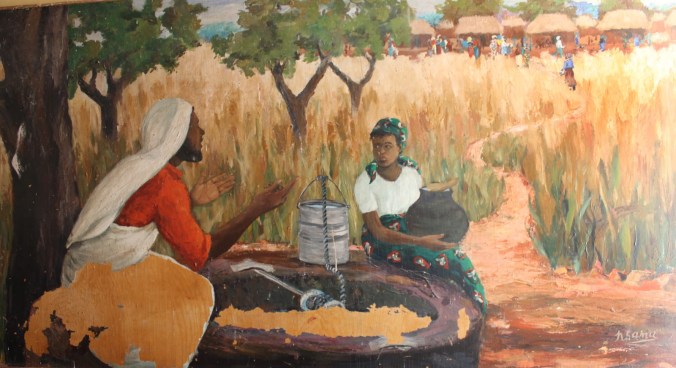
The bible scene with Jesus at the well with the Samaritan woman shows signs of damage and peeling of paint.jpg

Mural by  Emmanuel Nsama


At a time when our politics is increasingly divided and divisive, where people divide each other into categories, and make some lesser than others, this is a particularly relevant conversation.

John the Evangelist is preparing us for this story very carefully, for it is profoundly counter-cultural. Jesus stops to rest near the plot of ground that Jacob gave his son Joseph.   Jacob’s other name was Israel – one who wrestles with God.  We are going back to Israel’s common spring, common source, at Jacob’s well.  We are being reminded of a time long ago, before the time when and the Jews and Samaritans became peoples who saw themselves as separate.    It is a place that holds meaning and memory for Jews and Samaritans – of their common father, and their common salvation story.  John is placing us on common ground……


I think it is no coincidence that John begins this story by setting it against an atmosphere of potential conflict – between cousins, between related nations.  We see Jesus acting out his mission to be a peacemaker, a reconciler.  “For he is our peace; in his flesh he has made both groups into one and has broken down the dividing wall, that is, the hostility between us” Eph 2:14.  Jesus himself is common ground,  and his presence changes things.  If we look carefully at how we are prepared for this encounter, we can see that we are being led away from conflict, towards reconciliation, to inclusion, and to hope…….

And so, as Jesus waits for the disciples to find food, as he waits by the well in the heat of the day, a woman approaches.  We can only imagine what it must have been like for her, in a culture where a woman could be divorced “for any and every reason”.  We often think of her as one utterly disgraced in her community, having to visit the well at such a time.  That may well be so.  It is a highly plausible explanation.  Her multiple husbands are hardly a marital model, but, we must remember that at this time divorces were easy for a man to come by, and early death not uncommon.  However her situation came about, she had most certainly known her share of tragedy and disappointment.  She may have known deep shame and disgrace.  If we are thinking in terms of barriers and divides, she has many to cross.

And yet she, like everyone else, gets thirsty, and needs water to drink, and water to wash with.  She is as human as everyone else.  So often, we do not see people like this.  So often, we make quick judgements, build fences, wonder about people’s worthiness, and in our own pride and insecurity, seek to feel superior, safe, chosen, righteous in some way.  Not so Jesus.

His question bursts through all our categories and barriers in its gentleness, its humanity.  It is a question that changes everything for this woman, and for her community.
“Will you give me a drink?”

It is not just that he recognises her thirst, but that he humbly admits his own.  He speaks, not to rebuke a sinful woman, not to point out what she needs to do to straighten out her life, but to make himself vulnerable before her, and to call out her goodness.  For this is what the question does. It recognises her goodness.  It recognises and awakens this truth about her – that she is made in the image of God, she is a God-bearer in the world.  That image can be buried beneath layers of hiding, of shame, buried under words of condemnation that have been spoken over a person, it can be twisted by hatred and fear and darkness, but it is always there, and Jesus sees it.
If we have  come across the parable of the sheep and the goats in Matthew 25 this question opens up others – the thirsty person before us, asking us for water, for help, is Jesus.  How do we respond?  Do we give?


samaritan-woman

She does not know who is speaking to her. Of course not!  Neither does she know the gift of God.  But Jesus is revealing both of these things to her.  Jesus is the greatest gift. And he has living water.  We are diving deeper now.  We know that in John, there is often an association between water and Spirit.  Jesus’ previous encounter with Nicodemus (Ch 3) touches on that…. and it is such a beautiful counterpoint to this one.  Here we have a woman, an outcast, a Samaritan, in the heat of noon – there we had a man, a Pharisee, member of the ruling council, at night.
This water that Jesus gives, it can become a spring in us, as indeed the Spirit in us is a spring, bubbling and welling up to life.


From The Bible Retold

LIVING WATER 

It was hot when the woman went to get water from the well, near her home town of Sychar in Samaria.  As she drew near, she saw a Jewish man sitting there, in the shade.  She hesitated a moment, nervous of this stranger.  For the Jews and Samaritans had been enemies for centuries, since the time of the exile.  “But,” she thought, “I must have water,” and she carried on walking to the well.

The man was Jesus.  He had left Jerusalem and was making his way back to Galilee.  His disciples were buying food, leaving him to rest from the burning sun. He looked up at the woman.
“Will you give me a drink?” he asked, with a thirsty smile.   Jews and Samaritans never ate or drank together: it was against all the laws and customs.
You, a Jew, are asking me, a Samaritan for a drink?” She was so startled she nearly dropped her water jug.
“If you knew who I was, you’d ask me, and I would give you real, life-giving water!”
“How can you get water?  You have nothing to hold it in!”
“If you drink from the well, you’ll be thirsty again.  If you drink the water I offer, it will become like a clear spring within you, bubbling over with eternal life!”
“Sir, I would like that water!”  she replied.  But Jesus questioned her about how she lived, and amazed her by revealing her secrets: things she had kept hidden, for shame.  Could this man be a prophet?
She ran back to town, telling everyone.  They invited Jesus and the disciples to stay, and he taught them for two days.

The people of the town said to the woman, “Now, we don’t just believe in Jesus because of what you said.  We’ve heard the truth for ourselves!”


“The well is deep”  What does that mean for you?

Meditation suggestion:

Pour out a large jug of water, and set it before you, together with a glass or glasses.
Consider the water, and ask yourself what you thirst for right now?  Try to allow honest answers to rise in your mind, and note them.  Are there places in your life that feel dry and unproductive? What would bring them life?


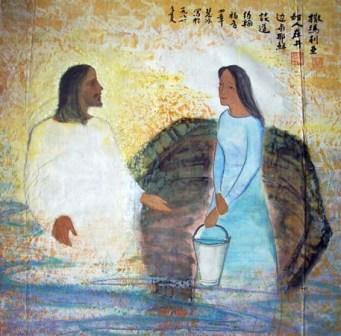
Take a look at the photographs drawn from different cultures.  How do you respond to them?
You might like to place a picture reminding of of this story above a place where you wash, or your kitchen tap.


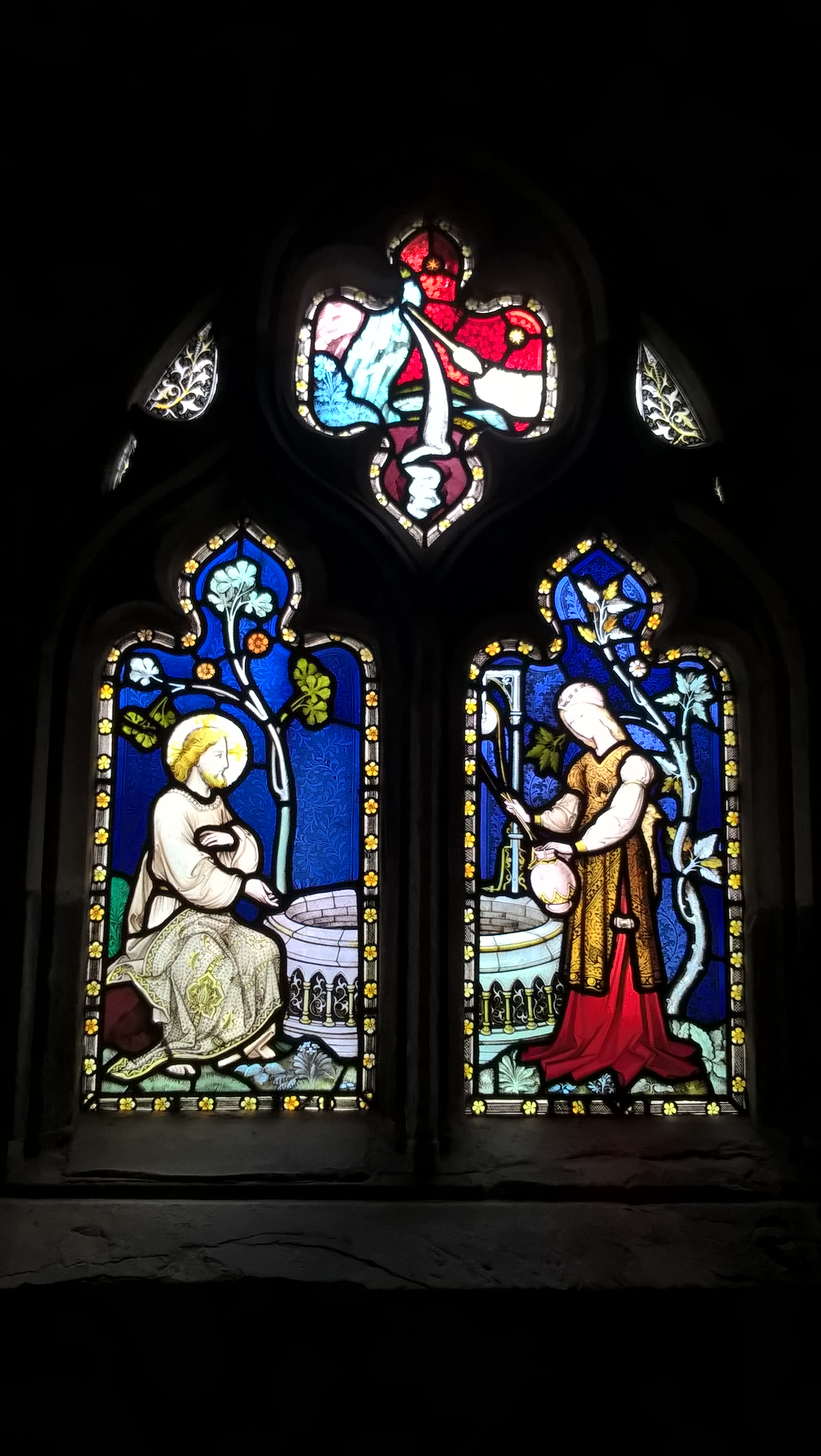
WP_20170317_15_18_38_Pro.jpg

Detail of stained glass at Gloucester Cathedral, above the place in the cloisters where the monks washed.


This is what God says

“I myself will look for my people and take care of them in the same way as shepherds take care of their sheep.

“I will bring them back from all the places where they were scattered on that dark, disastrous day.

“I will lead them to the mountains and the streams of their own land, so they may make their home amid the green pastures.

I shall be their God, their Good Shepherd; they will be my people,  my flock.”

From Ezekiel 34

From Prayers and Verses


May your week be bubbling up with life-giving water

Sunday Retold – Abraham, and Nicodemus? March 12th

Part of the  Sunday Retold  series, based on the readings some churches follow week by week.

They are:
Genesis 12:1-4

John 3:1-17

Please feel free to use any of my material if it helps you, saying where it is from.

Abraham and Nicodemus?  It’s intriguing the way passages are put together.  They shine a light on each other, helping you see them in a different way.
Both of these passages speak of a new kind of beginning in God, stepping out perhaps into a radically different kind of life.  There is uncertainty, too, in the way ahead.  Abraham will be shown the way to go, but he hasn’t been so far.  The wind  blows where it will, we don’t know where.  These two stories together tell us something important about this walk, this life of faith.  Both speak of setting aside our competencies and certainties and desire for control.  Both put us in the place of learners, students, disciples even, having to be open and listening, because we have no blueprint, no map in our minds to impose on the outside.
To begin again as a little child, to set out from all you have known for – who knows?  Life made new requires courage.

From The Bible Retold

“Get up! It’s time to go!” God said to Abraham.  “You must leave your father’s household and go to the land I will show you, the land of Canaan.  I want to bless you, and make your family into a great people.  Through you my blessing will flow to everyone on the earth.”

So Abraham set off for this unknown land, with his wife Sarah and nephew Lot, and all their possessions and animals and servants.  Their long convoy travelled slowly.  Sometimes they followed great river valleys, where the grass grew green.  Other times they travelled across wide plains, throwing up clouds of dust from the hot earth.  They journeyed through many lands on their way to Canaan, and drew more people to them as they went .  When they camped at night, it looked like a town of tents

img_0682

It’s not always easy to see where we are going

The story of Nicodemus visiting Jesus by night is well known, but some of the ideas it contains have lost their anchorhold in the story, and rolled around gathering new associations as they go.  When I came to rewrite it, and when I came to rewrite it again and again with the editor, some of these difficulties surfaced.  It was one of the hardest parts of the gospel to attempt.  It contains ideas which were difficult for Nicodemus to grasp, let alone us, but it seems that the pictures Jesus painted stayed with him, gradually unfolding their meaning, until we find him and Joseph anointing Jesus’ body on Good Friday as darkness gathered.
I remember getting up at night, unable to sleep, with no idea how to tell this story.  But  I lit a fire and a candle, and prayed, and imagined what it would be like to go to Jesus at night, as Nicodemus did.

From The Bible Retold

NICODEMUS THE PHARISEE

One night, Nicodemus slipped through the dark streets of Jerusalem to visit Jesus, who was staying the city.  He came alone, not wanting to be seen. Nicodemus was an important man: a well-known Pharisee, and a leader of the Jewish people, and many of the Pharisees did not approve of Jesus.

Nicodemus came to the house where Jesus was staying, and went in.  He stepped into a room lit by a small lamp which threw a warm circle of light into the shadows.  And there was Jesus, sitting in the lamplight, ready to welcome him in.  Nicodemus joined Jesus and began to speak the words that were running through his mind.

“Rabbi, we know you are a teacher who has come from God.  The miracles you do prove that!”

As Nicodemus spoke Jesus looked into his face, searching his eyes by the warm light.  He knew this man was wise, so when Jesus broke the silence, he spoke to Nicodemus of the deep truths of God’s ways.

Nicodemus listened as Jesus spoke of God’s Spirit: how it could not be seen, but could be felt, as the wind is felt as it blows.  Jesus spoke too of a new type of birth: a birth of the Spirit, giving another chance to become like a child and to see God’s kingdom.

Then, Jesus spoke of how much God loved the world: enough to send his only son to die, so that everyone who believes in him could have a new life that would last for ever, a life full of light and truth.

Nicodemus listened, opening his mind to take in these extraordinary words. And as Nicodemus stepped out of the circle of lamplight, and walked home through the shadowy streets, he turned Jesus’ words over in his mind, beginning to understand.

WP_20170224_14_26_44_Pro.jpg

The after-effects of Storm Doris at Whitby

Perhaps you would like to do a similar exercise – imagining yourself in Nicodemus’ place, seeking light in the darkness.
You could look at the two pictures, and use them to help you as you pray through your response to these two stories.
You might like to read the  A Poem for the road – Returning  in the light of these passages, and see how they connect for you.

As Abraham set off for an unknown land,
so we begin each day, and each journey,
knowing you are with us.
Bless us on our way,
and make us a blessing to those we meet.

Dear God,
Help me to find the right way to go,
even though the gate to it be narrow,
and the path difficult to walk.

Trust in God
Let nothing disturb you,
let nothing frighten you;
All things pass;
God never changes.
Patience achieves
all it strives for.
He who has God
finds he lacks nothing,
God lone suffices.

Theresa of Avila, 1515-82

I am a pilgrim
on a journey
to the place
where God is found;
every step
along that journey
is upon
God’s holy ground.


Where are you going today?
God Bless you on your way.

Poem – First Taste

img_0786


The first day of Spring, the first day of Lent –  this year, the first of March marks many beginnings.  I was struck today, as I pulled weeds out of the cool, damp earth, and listened to the birds singing, how strange it was to be entering a season of giving things up, setting things aside, going into the wilderness, when all around is bursting, expansive, beginning.  This is a strange time for dust and ashes, when my hands are covered in the richness of earth, my nose full of the smell of new green.  It feels like holding onto winter.  I am abandoning the patience winter requires, racing ahead in my imagination to new life.

While turning Ash Wednesday over in my mind, I think I shall try to see how this deliberate setting aside may be of some use in understanding the three temptations that Jesus faced at the end of this time  and the role it all plays in preparing for Easter. Self-examination, sharing in some measure of deprivation or self-denial, at a time when hope is bursting out a around us, may help us understand the way of Jesus better.  If we are to love God and love all people, then might this deliberate self-giving, setting aside power, plenty, self interest, really help us do that better?  I am holding questions in my mind, seeing if living things out might help with the answer.

So, this poem hasn’t quite let go of the darkness of winter, but marks the first taste of something new.  The woods near my home are beginning to overflow with ransoms –  to young to fill the place with the smell of garlic, still fresh and very vibrant.  I love foraging, and seek to do it sustainably as a good guest in this beautiful wood.  So, I pick some leaves, and taste.  It is good to feel so connected with the spring, with living growing things.  It feels like a kind of thanksgiving for the winter past, a form of prayer.
I dress my wintery beetroot soup with the leaves, and hold both seasons in my mouth together.  They taste full and sweet and sharp.  A good taste for Ash Wednesday

IMG_0788.JPG


FIRST TASTE

This winter has been long,
so long.  The grey sky,
the darkness, have
pressed down on us
like a grindstone,
leaving these woods dusted
with dull ice.

But now, today, the trees
are black and slick
buds shining with water,
snowdrops and aconites
bright against the dead leaves.
And there, there, the ransoms,
so vividly green, are uncurling.
I stop and pick one soft new
leaf, and bite,
sharper than lemons,
stronger than garlic,
fresh and new.
The first taste of spring
rolling round my mouth for hours


Epiphany – a creative writing possibility

IMG_0752.JPG

Yesterday morning, we were in Bath Abbey, taking part in a beautiful service to celebrate the coming of the Magi, and the way God moves and speaks to people using a language they understand.  The sermon, by  Rev Evelyn Lee-Barber, explored this theme very thoughtfully, and she encouraged us to  think about where we were in the story too, and how we might respond.

It reminded me of a creative writing/meditation I did some time ago, where I used the words of the wise men to explore the story deeper.  I wondered if you, dear readers, would find it helpful to do yourselves.

You can write the words out on a large piece of paper with plenty of space between the phrases.

“Where is the one


Who was born


King?


We have come


to worship


him.”


Read the story slowly, allowing your imagination to dwell with each of the characters, and places. Ask what about this story speaks to you today, might be with you this week.  After you have spent some time in open quietness before God, when you feel ready, expand the words of the wise men, filling in the spaces you have left on the page.  There is something about allowing gaps that helps slow down your reading and thinking, giving time and possibility to the work of the Spirit, allowing the meaning to unfold before you.  The spaces matter, giving you space to think and feel and respond, to allow the words to engage in dialogue with you.  The gaps can be where the light gets in, to paraphrase Leonard Cohen.   Why not give it a go?

Perhaps you could share what you have written in the comments section, if you would like to!


Epiphany Retold – Looking out for stars

Part of the Sunday Retold series, with my version of the reading Matthew 2:1-12

Please feel free to use any of my material that helps, saying where it is from.

Last time, I shared with you the story of Christmas Retold – Escape to Egypt, where we read of the terrible suffering that resulted from Herod’s fear and jealousy and love of power.  This time, I have been thinking smaller, more hopeful, something that might help today, and tomorrow, and the next.  We need to see the darkness, and the light.

IMG_0773.JPG

Epiphany – the new season we enter on 6th January – can mean  a sudden encounter with God, an intuition into the heart and meaning of things, a burst of enlightenment, an event which shows things as they really are at their deepest level.  As a season, it covers some key turning points in the story of God wooing us, seeking us, expanding our always limited understanding as much as we can bear at any time.  As such, it carries on from the Christmas narratives well.  After all, the good news here is that God has come, God is with us. The Message tells John’s words like this:
The Word became flesh and blood,
    and moved into the neighborhood.
We saw the glory with our own eyes,
    the one-of-a-kind glory,
    like Father, like Son,
Generous inside and out,
    true from start to finish.
John 1:14

So, how might we see this glory?  How might we experience this generosity and truth now?

One of the things that always strikes me about the Christmas narratives, including this one, is the great variety of ways they record people receiving a revelation, an epiphany, from God.  There are dreams, visions of angels, and here, a star.  There are other ways God seems to be at work.  Elizabeth feels the child growing in her womb, and then feels the child dance.  Simeon and Anna, too, are prompted and moved.  In each case, the way the person senses, or hears, or experiences the promptings of God seems to be appropriate for them.  The gospel writers seem to have slightly different emphases in how they record what these revelations from God are like – it is hard to talk about.

I remember once standing at the front of church and trying to give an account of what had felt a real encounter with the love of God, and been very aware that my words were so inadequate.  I remember too how, many years ago, our church hosted firemen and their families from Chernobyl, following the terrible nuclear accident, and gave them a holiday by the sea.  One of the firemen wrote a song.  I wish I could remember it all, but the meaning of it, as far as I can recall, was –

I long to tell you about the love of God, what it is like to know the love of God, but my song cannot hold the meaning.  It is like, when I go home from here, I will try to tell people about the sea, how wild and salty and cold it is, and all I have to show them is a bucket of murky water I have carried away with me.

All our words cannot carry the full meaning, but they can hint at it, stir up a hunger for such love and depth of encounter, and reassure each other that we are not alone when we think there is more than the surface, more than “getting and spending” (Wordsworth)

As we enter a new season, maybe it will help to look at the stories we encounter of epiphanies, of experiencing a revelation, a seeing clearly, noticing how varied they are.  Perhaps God is seeking to gain our attention, and maybe that happens differently for different people at different times.  It is easy to think there is a way we should do it, but it seems that God is unconstrained, generous, abundant.  We need to be open.

My own experience of encounters with God, with new insights, is varied. I sometimes have little epiphanies in prayer and worship, reading the Scriptures moves me to a place where I can go deeper, but  I also hear through nature, through poetry, through art, and – perhaps most especially – through the love and kindness of people around me, including strangers I encounter.  It’s worth looking, I think, as we go about our days, doing our normal things, expecting that maybe our lives have something to teach us, to tell us about the love of God and the love of neighbour.  Our lives can speak to us like parables, and they can contain moments of transforming beauty and clarity, that open us up to something far bigger than we can comprehend.

These Magi, probably Astrologers – we do not know how many, or what gender they all were – do not have a straightforward time of it trying to find the new king.  God is not always found the places we expect.  Who would look for a king in a small town away from centres of power and wealth?  God tends to surprise us all by being in the small, the outside, the unexpected, the unimportant places.   I chose the Witz picture (between the two extracts below) because it places the family in a fairly ordinary setting.  Traditionally, they sit in the ruins of a Greek or Roman temple, showing how the old beliefs are crumbling and dying as something new and glorious takes place.  This one is quite an early example of a more small-scale setting, but even so, it is rich in meaning and symbol.  You might like to take some time to look at it carefully.

Herod’s palace was a desolate place to look for this new king. This child would indeed be a king of a different type. We can see, too, that although Herod used the scribes and the scriptures to find out information, he used that for his own ends.  It did not lead to encounter, or worship, or knowing God. There is a lesson here, too.
IMG_0592

As we look out for our own moments of epiphany, it might be worth looking for treasure buried in the dirt (Small Seeds, from Luke 17), and for unexpected people, such as a young girl, or an old widow, or a carpenter.  Epiphanies can burst in on us whatever we do, but my experience is that small, daily steps towards seeing God work their slow transforming changes in us, and that for these, we need to be open, we need to engage in a  quiet, contemplative way of praying and seeing as we live out our lives.  And then, in that new light, we find our lives begin to change, we better learn love, and compassion, and patience, and joy.  As we begin a new year, I am turning my attention to this way of thinking and being.

The Magi were doing what they did – studying the stars.  And they noticed something.

There may be stars out there that would guide us, if we looked.

What might your stars be?

From The Bible Retold

They Followed a Star

Far away from Jerusalem, in a land to the east, wise men looked up at the clear night skies above the desert and saw a star rising.  For years they had studied the movements of the stars and planets, and they had never seen anything like this before.  They unrolled their charts and plotted its path.
“This means a new king has been born to the Jews!” they said to each other, as they gave hurried orders to their servants to prepare for a journey.
When these strangely dressed foreigners arrived in Jerusalem, they began to ask “Where is the one who has been born king of the Jews?” Troubled rumours spread through the city, for there had been no proclamation of any birth.
King Herod the Great’s advisors approached him nervously.
“Your Majesty, strangers from the east have arrived in the city. They are searching for a child who they say has been born King of the Jews.  They saw a sign in the heavens!”  Herod caught his breath, and turned white with fear. He had been given that title himself by the authority of Rome, building palaces and the great Temple to spread his fame.  What kind of king was coming to challenge him?
Then he asked his advisors “Where is the Messiah, the Anointed One, to be born?”  The scholars unrolled the scroll of the prophet Micah, and read out loud:
“Bethlehem will no longer be
the least important of the towns.
For from it will come a leader
who will rule my people Israel
like a shepherd-king.”

“Bethlehem, eh?” murmured Herod. He gave orders for the wise men to be invited to the palace.  He listened to their tale of the star with keen interest, nodding and smiling as if he were delighted at the news.  He told them all about Bethlehem.  “Go and find the child, then please send a message so I can join you in your worship.  What wonderful times these are!” Herod hid his crooked smile.
As the wise men set off from the cool marble and mosaics of the palace, they looked up at the sky once more.  And there was the star, guiding them to Bethlehem.  They followed, and found the child with his mother, Mary.  She was astonished to receive such guests – who bowed low, and spoke of her son with reverence, and unwrapped precious gifts to lay at their feet.

She unclasped the caskets one by one.  The first shone, it was full of gold.  The second opened to a rich, sweet smell.  “The smell of the Temple,” Mary murmured to herself.  It was frankincense, used in worship. The third contained an earthy, dark, resin.  It was myrrh, more valuable than gold, used in burials, and for healing.  Mary looked up at her visitors, and thanked them for these extraordinary, extravagant gifts as the smell of the incense and the myrrh hung in the air about them.

The wise men did not send word to Herod in Jerusalem, for that night, they were troubled in their dreams about him.  They paid attention to the warning, as they had to the star.  So they slipped away, avoiding the city, to cross the desert once more.

the-magi-konrad-witz

The Adoration of the Magi, by Konrad Witz

And from Prayers and Verses

Gifts

Lord Jesus,
The wise men brought you gold:
Let us use our riches to do good.

The wise men brought you frankincense:
Let our prayers rise like smoke to heaven.

The wise men brought you myrrh:
Let us seek to comfort those who are sad and grieving.

Let there be little Christmases
throughout the year,
when unexpected acts of kindness
bring heaven’s light to earth.

What can I give Him,
Poor as I am?
If I were a shepherd
I would bring a lamb;
If I were a wise man
I would do my part;
Yet what I can, I give Him –
Give my heart.
Christina Rosetti 1830-1894

Love came down at Christmas,
Love all lovely, Love Divine,
Love was born at Christmas,
Star and Angels gave the sign.

Worship we the Godhead,
Love Incarnate, Love Divine,
Worship we our Jesus,
But wherewith for sacred sign?

Love shall be our token,
Love shall be yours and love be mine,
Love to God and all men,
Love for plea and gift and sign.
Christina Rosetti 1830-1894

From Frederick Buechner:
“Listen for Him

The question is not whether the things that happen to you are chance things or God’s things because, of course, they are both at once. There is no chance thing through which God cannot speak — even the walk from the house to the garage that you have walked ten thousand times before, even the moments when you cannot believe there is a God who speaks at all anywhere. He speaks, I believe, and the words he speaks are incarnate in the flesh and blood of our selves and of our own footsore and sacred journeys. We cannot live our lives constantly looking back, listening back, lest we be turned to pillars of longing and regret, but to live without listening at all is to live deaf to the fullness of the music. Sometimes we avoid listening for fear of what we may hear, sometimes for fear that we may hear nothing at all but the empty rattle of our own feet on the pavement. But be not affeard, says Caliban, nor is he the only one to say it. “Be not afraid,” says another, “for lo, I am with you always, even unto the end of the world.” He says he is with us on our journeys. He says he has been with us since each of our journeys began. Listen for him. Listen to the sweet and bitter airs of your present and your past for the sound of him.”

~ from The Sacred Journey and Listening to Your Life
Christmas Retold – Joy to the World


nativity

Caravaggio

Welcome to a Christmas Special from Sunday Retold

In these last few days of preparation, I thought I would share with you a Christmas retelling, and some prayers.  For several years, the “Shepherds and Angels” part of the extract below was read out at All-Age Christmas worship in my church.

If you would like to use any of the material below, please do feel free to do so, saying where it is from.


From The Bible Retold

The Roman Emperor, Caesar Augustus, had ordered a census throughout the whole empire, when all the people would be counted, and taxed.  The orders spread along straight Roman roads, and were proclaimed first in the white marble cities and ports, and then in the towns and villages of the countryside.

Even quiet Nazareth heard the news, and Mary and Joseph began to gather together their belongings, ready to travel to Bethlehem.  That was Joseph’s family home:  he was descended from King David, of Bethlehem. They set off south on the crowded road, for the whole empire was travelling.  But, for Mary, the journey was especially hard, and the road seemed never ending. It was nearly time for her baby to be born.

At last they came to Bethlehem, but it was not the end of their troubles.  The city was noisy, bustling, and heaving with crowds, and Joseph searched anxiously for somewhere quiet for Mary to rest – her pains were beginning, and the baby would be born that night.  The inn was already full of travellers, and the only place for them was a stable.  There, among the animals, Mary gave birth to her firstborn son, and wrapped him up tightly in swaddling bands and laid him in a manger full of hay.  Then, she rested next to the manger, smiling at the baby’s tiny face.

There were shepherds who lived out on the hills nearby – the same hills where King David had once watched over the flocks, long ago.  The sheep were sleeping in their fold under the shining stars, while the shepherds kept watch.  Their fire flickered and crackled, and the lambs would bleat for their mothers, but they were the only sounds. All was peaceful.  All was well.

Suddenly, right there in the shepherd’s simple camp, appeared and angel of the Lord, shining with God’s glory and heaven’s brightness.  The shepherds gripped each other in terror, their skin prickling with fright.
“Don’t be afraid, I’m bringing you good news – it will bring joy to all people!”  The shepherds listened, awestruck, their faces glowing with the angel’s light.  “This is the day the good news begins, and this is the place.  In the town of David, a saviour has been born.  He is Christ, the Anointed One, the one you have been waiting for.  And this is the sign that these words are true: you will find a baby wrapped tightly in swaddling bands, lying in a manger.”

The shepherds watched as light was added to light, voice to voice, until they were surrounded by a dazzling, heavenly host of angels, all praising God and saying
“Glory! Glory to God in the highest,
And on the earth be peace!”

And then, in an instant, the angels were gone, and the shepherds were left in dark night shadows, listening to the sound of a distant wind. But their eyes still shone with heaven’s light.
“Let’s go and see for ourselves!” they called to one another as they raced over the dark, rocky fields to Bethlehem.  There, they found Mary and Joseph, and, just as the angel had said, they found the baby wrapped tightly in swaddling bands and lying in a manger.  They saw him with their own eyes, and spread the angel’s message to all they met.
“The Promised One has come! The Christ, the Anointed One, has been born!” The angel’s words were on everyone’s lips that night in Bethlehem.  And, as the shepherds made their way back to their sheep, bursting with good news, Mary kept their words safe, like treasures, in her heart.

And something from Prayers and Verses

Let us remember Mary this Christmas
And may God bless our mothers.

Let us remember Joseph this Christmas
And may God bless our fathers.

Let us remember Elizabeth and Zechariah and
John this Christmas
And may God bless all our relatives.

Let us remember the shepherds this Christmas
And may God bless all those who will be working.

Let us remember the wise men this Christmas
And may God bless all those who will be travelling.

Let us remember Jesus this Christmas
And may God bless us all and make us his children.
What can I give Him,
Poor as I am?
If I were a shepherd
I would bring a lamb;
If I were a wise man
I would do my part;
Yet what I can, I give Him –
Give my heart.
Christina Rosetti 1830-1894
Lord Jesus,
The wise men brought you gold:
Let us use our riches to do good.

The wise men brought you frankincense:
Let our prayers rise like smoke to heaven.

The wise men brought you myrrh:
Let us seek to comfort those who are sad and grieving.


Love shall be our token,
Love shall be yours and love be mine,
Love to God and all men,
Love for plea and gift and sign.
Christina Rosetti 1830-1894

May God’s blessing and peace be with you, and with all, this Christmas.
Thank you for joining me here.

The Little Christmas Tree and Mary’s Song

IMG_0752.JPG

IMG_0755.JPG

Today was the first really frosty day of the winter,  so I took my camera out for a walk with me, through the woods to the river.  As I walked, I was thinking about the story of The Little Christmas Tree, and how it connects with the story of Mary, mother of Jesus.  It had been on my mind since going to a talk by Rowan Williams at Grundisburgh Church (you can listen to the talk here , it is well worth listening to).

The Little Christmas tree is not strong and proud, thinking itself important.  It knows it is smaller than the other trees, and far less imposing.  What it does have to offer is shelter, hospitality, for the small animals and birds who are blown about in the storm.  It also has a song to sing, a lullaby, at which “even the wind hushed to listen”.

Early in her pregnancy, Mary escapes from the storm that is brewing about her, to visit her cousin Elizabeth, who offers her refuge, caring for her as she shelters her growing child.  They, two women with unexpected pregnancies, offer the profoundest hospitality to each other, that of love and acceptance. On her arrival, Mary pours out her joy in a song traditionally called The Magnificat

Here it is from The Bible Retold

I’m so full of joy my spirit is dancing
before God, my Lord, my Saviour.
God did not turn away from me
because I am poor, and now
I will be called blessed by
all the generations yet to come
God, the great, the holy,
has done so much for me.
God brings down the powerful,
but lifts up the weak.
The well fed are empty,
and the table of the hungry
is piled high with good things.

God looks at us with kindness,
giving hope to the hopeless,
caring for those who trust him,
remembering his promises to our people.

You can read Luke’s account here

And from Prayers and Verses

O God,
be to me
like the evergreen tree
and shelter me in your shade,
and bless me again
like the warm gentle rain
that gives life to all you have made.
Based on Hosea 14:4-8

Let there be little Christmases
throughout the year,
when unexpected acts of kindness
bring heaven’s light to earth

Earlier this year we spent a few nights in Canterbury, and made evensong at the Cathedral part of of daily practice.  It was as glorious as you might imagine!  One thing that made a profound impression was hearing Mary’s song, the Magnificat, every day.  It felt a powerful reminder how God does not favour the rich, even in the richest of cathedrals, but the poor.  It helped me to see the homeless, those lacking shelter, on the streets of Canterbury, it helped to soften my heart.  I picked up a stack of gift cards from various cafes to pass on to people, after I had sat with them a little and asked them their names and their stories.  A very small gesture, I know,  but perhaps a beginning.

Cold nights make me think of those who have no shelter.Perhaps it can be part of our Advent preparations to support those who do not have a room, and have to take shelter in the most inhospitable of places.  Some suggestions are below.

Hope into Action

Ipswich Night Shelter

Porchlight in Canterbury

Salvation Army

Shelter

Habitat for Humanity

christmas tree

Mud from Coleridge’s Garden

IMG_0713.JPG

The Ancient Mariner, at Watchet harbour, where the poem unfolded in Coleridge’s mind. The rope is particularly powerful.


On our Somerset holiday, we visited Coleridge Cottage.  I was not expecting to be so overcome by the place.  Each room was full of connections to his life and work.  Each room echoed with the poems – they flowed across the walls, they came out of the earphones by easy chairs, they whispered to me out of the leaves of books.  To be in the room where he wrote Frost at Midnight  and to sit in the Lime Tree Bower  were deeply moving experiences.  I still remember my marvelous English teacher, Miss Rowlat, talking to us about the Lyrical Ballads, with its paradigm shift of a Prologue, and then to be in the place where Coleridge and Wordsworth met and talked and where these ideas came into being – was beyond words. The Ancient Mariner found voice here, too.  So much wonder in one small, simple cottage. It is not often that I am left speechless.  I was here.

Mud from Coleridge’s Garden

I picked up my muddy shoe –
an unfamiliar pale grey clay,
a leaf stuck to the instep –
and slipped my hand inside
like a glove
as I looked for a cloth

and then I stopped.
It was that leaf,
I remembered the shape –
a jasmine leaf from
the Lime Tree Bower
where I had sat speechless
as I listened to that poem
so full of leaves,

and the pale grey clay
from the damp paths,
from that grassy space
so full of ordinary beauty
it filled me, too,
despite my already full heart.

I walk with muddy shoes now,
each day,
hoping to be rooted to that same earth,
leaving a sprinkling of
Coleridge’s garden
in this lighter, sandier soil.