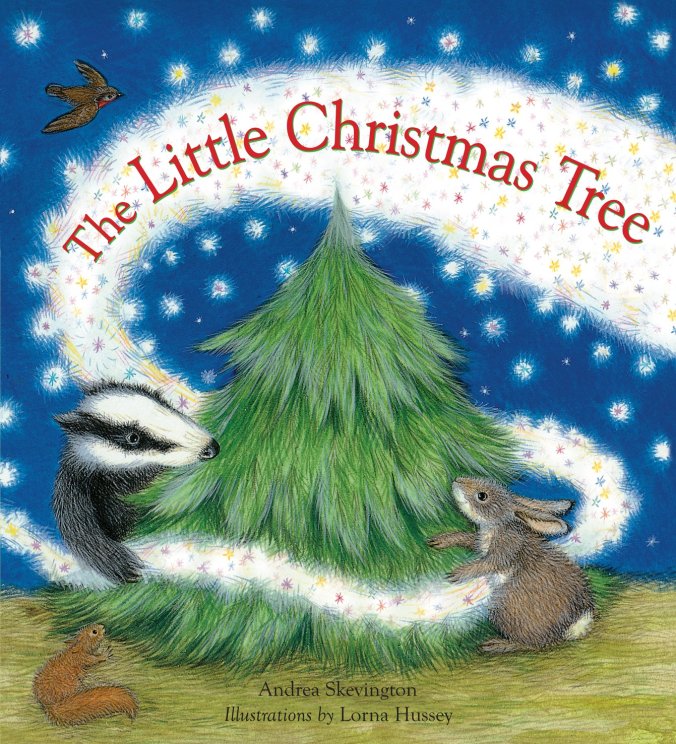
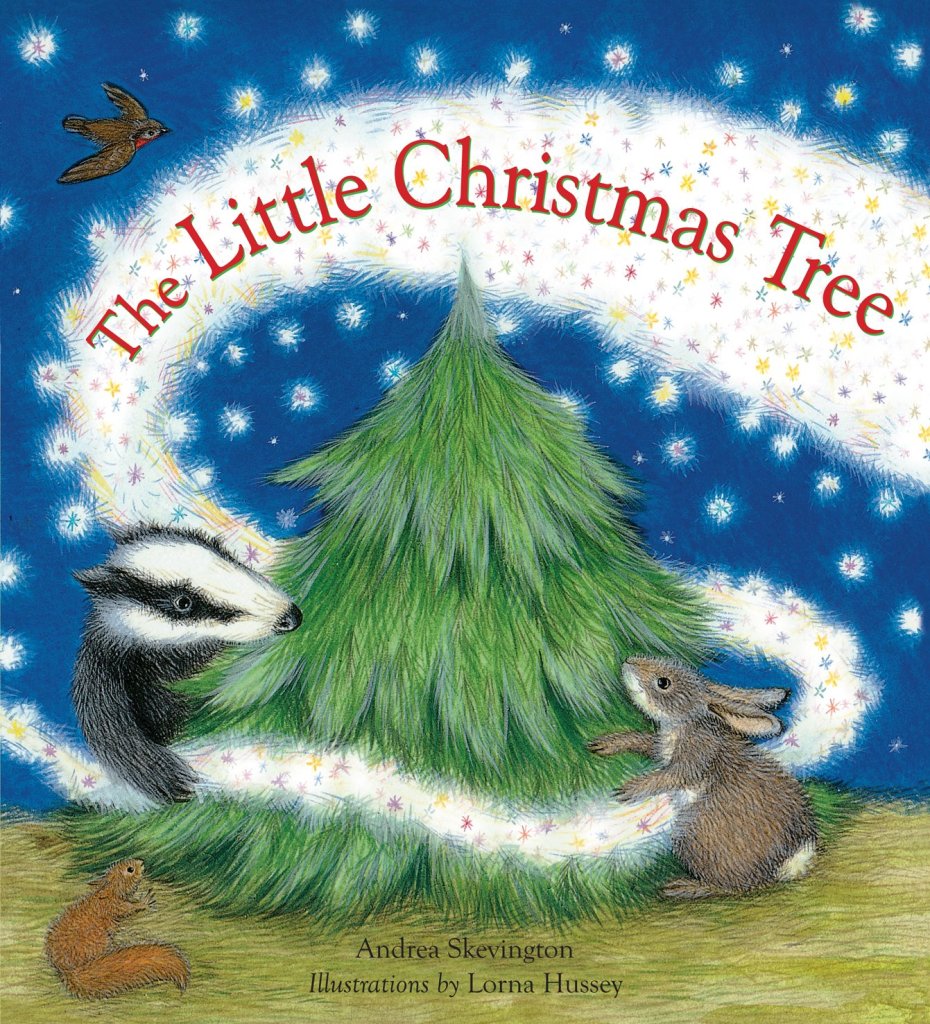
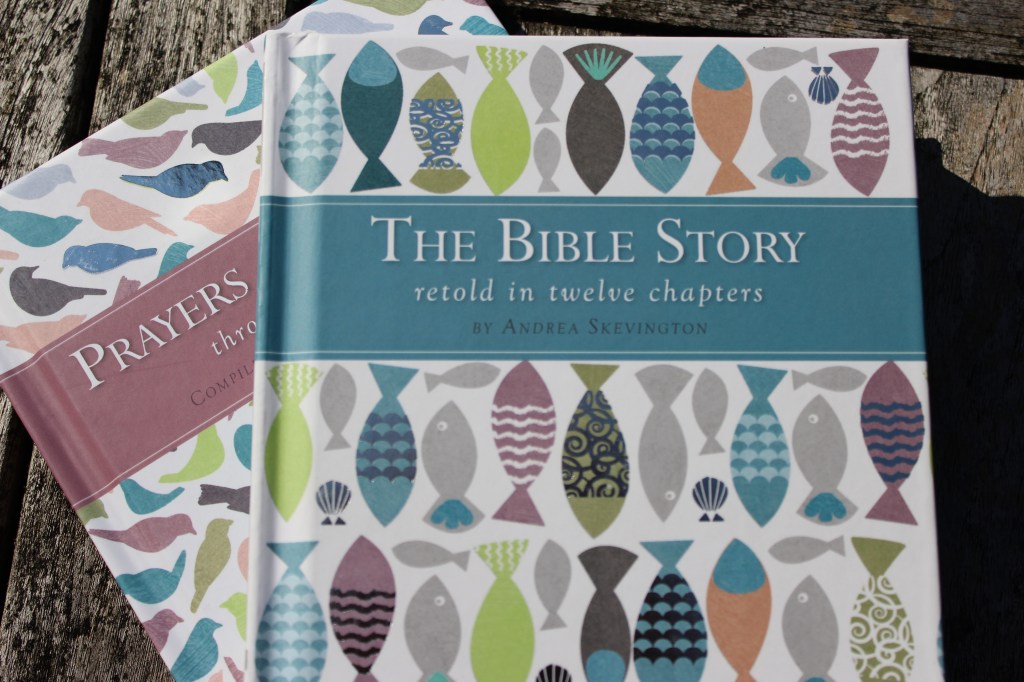
Just in case some of you are very organised people who like to plan ahead for Christmas, you might like to know that a new hardback edition of this beautifully illustrated book is coming out on August 22nd.
It was my first book and I love it, and I’m thrilled it’s coming out again for a new audience. And if you have little ones in your life who are of an age for a board book, it’s coming out as one of those too – publication date for that is 26th September. That edition is slightly abridged, but with all the delightful pictures of woodland animals by the very talented Lorna https://www.instagram.com/lornahusseyillustrator/.
To those who follow this blog from the USA, the publishers were keen to say that the book will be available over the Atlantic, too.
Both can be pre-ordered now. Pre-orders do help with publicity and planning, so if you feel inclined, it would be a great encouragement. Meanwhile, the paperback version is still available.
If you are lucky enough to have a local bookshop, they can get them for you. Here’s a link to the publisher’s website for online orders. Of course, it’s also available in all the ususal places for ordering books.
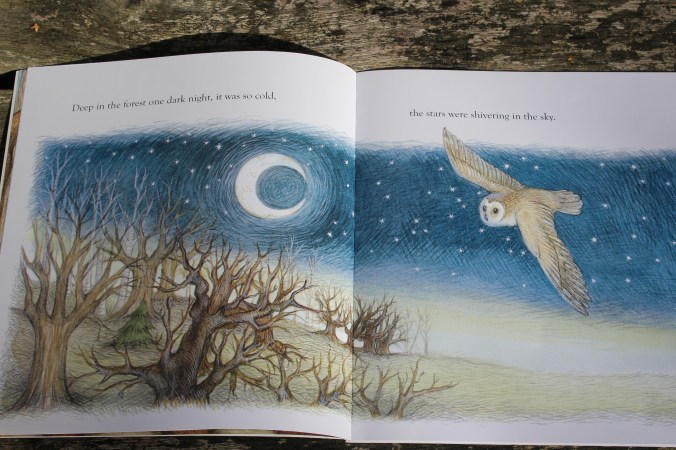
Here’s how it begins…
And you can read more about it elsewhere on my blog, for example…
Thank you all for your support and encouragement. My mind has been full of the poems I’m weaving together for my poetry collection lately, and I’m aware I haven’t been posting on here quite as often as sometimes – I’ll try to keep remembering to do that! And next year, there’ll be lots to share!
So, this Sunday Retold is a little different. The retelling is a poem, which you’ll find below. Some of you may remember that I’m absolutely delighted to be bringing out a book of poems next year, based on the cycle of the seasons – both in nature and in the readings that many churches follow. You can find out a little more about that here. Wild Goose, the publishers, are happy for me to share some pieces in progress with you here as I work on the book.
It seems good to start with Easter, and this week – of the poems I’ve been working on – the one that seems most nearly there is one that happens to tell the story of this week’s gospel reading, John 21:1-19.
It’s such a rich passage, and there is so much that could be and has been said. I think the reason this poem has come most readily is connected to the warmth and tenderness I felt when reading the story. Although we often focus on the extraordinary elements – and they are there, sure enough – I warmed to the ordinary. Once again, Jesus is feeding his friends. He knows they have been working all night, and he anticipates the depth of their hunger, their cold, their disappointment, and their need for this breakfast. It is a feature of these Easter stories, how often eating together is involved, how simple and reassuring the talk.
And here, we see the dance of grace – forgiveness for Peter, yes – but there is also the simple lifegiving grace of sharing food, of receiving, and giving. Of giving, and receiving. It is a revolutionary gift economy in fishing and sharing, in forgiveness and purpose, and its something I’ve missed before…. Perhaps I’ve been too caught up in the strangeness, or the textural intricacies, or the story being about Peter, to see how this new life is also about cooking breakfast for hungry people, and them having enough – strength, fish, new beginnings – to feed others in turn.
I love Wendell Berry’s phrase, “practice resurrection”, and this Easter, I’m wondering what that might mean….
But here is the poem.
Overflowing
Gathered around the fire, dripping with lake-water and morning chill, they warmed themselves in quiet, not asking who it was who cooked them breakfast on charcoal and hot stones.
After such a night, such an empty- netted night of no-going-back to the old life, of cold, of hunger, of ropes against skin, they sat on the shore with the smokesmell of griddled fish and fresh bread filling their senses.
In the dawn shadows – the last stars fading, the first light gleaming – you handed them this feast – loaves and fishes, bread broken – you fed them and warmed them.
This is how it flows, the dance of new life.
We may be fisherfolk with empty nets, but you guide our hands. And we are overflowing. You cook breakfast, and we share a feast.
And then, and then, the invitation, the instruction, the grace to Peter and perhaps to all – Feed my lambs, Feed my sheep, my sheep.
We receive, and we give, we give, and receive, for there is enough. There is grace enough to break the nets and yet the nets are whole, and look, still the sea is full of fish
Overflowing Dancing In the new light of dawn.
The Little Free Pantry at St Andrew’s Church, Melton – one of many now springing up.
This story, of the miraculous catch of fish, and Peter’s restoration, is included in my retelling pictured above.
I’m so delighted to be able to share with you that I’ve just popped a contract in the post for my first published collection of poetry. Some of you will know the publisher, Wild Goose of Iona, and they’ve been so kind and efficient in coming to an agreement about what we’d like to do together. It should be out next year.
We plan to call it The Year’s Circle, and I intend it as a collection to accompany you through the year. It will weave together poems drawn from Bible stories marking the seasons, such as upcoming Easter, with poems drawn from nature – so the two main strands of work you will find on this blog. I hope it will be good for your own reading and also sharing together with others in groups, churches and festivals. I know many of you already use the poems you find here in those ways.
The Celtic tradition has an idea of God’s two books – the Bible and Creation – and I’m intrigued by that idea and am looking forward to exploring what it might mean.
The collection will include some of the poems you’ll find here as well as new work. I intend to share progress with you as I go along – giving you tasters of the new poems, as well as some insight into the process.
I want to thank you all for being here, for your support and encouragement. It’s played a huge part in making this new venture possible, and I really look forward to including you in the process.
I’m blown away by this opportunity, it’s so good, and I’m really looking forward to getting going with drawing together something beautiful and nourishing in these difficult times. I really hope it helps.
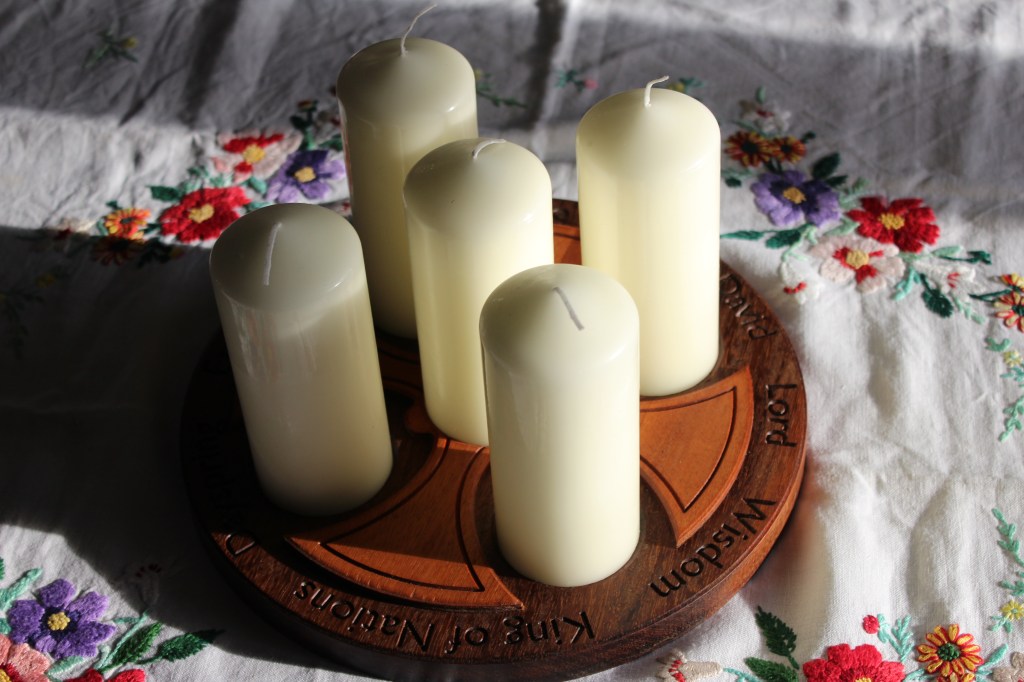
We’re in the season of Celtic Advent now, which starts a little earlier than the beginning of December ….. so I hope you don’t mind my bringing up the subject of Christmas.
Copies of my children’s book, The Little Christmas Tree, are available, but I’ve noticed a few suppliers aren’t carrying a large stock, so, if you’re considering buying a copy for a youngster in your life, it might be worth placing an order with your local bookshop or one of the online ones – like Bookshop.org, which supports independent bookshops in the UK – soon.
It’s a beautiful book, illustrated with real tenderness and detail by Lorna Hussey…
Last year, there was a powerful BSL version of the story made and posted on Youtube. You can find more about it, and a link to the video, here. I found it very moving to watch. It’s so good when a story works its magic, rises from the page, and finds life in new forms like this.
Once again, I find, as I revisit this story, it has a real resonance with our current global difficulties – the animals are threatened by a storm, and it is a tree in the forest that offers them shelter and hope. I wrote some more about this reading of the story elsewhere on this blog, and you can find that post here. I feel the simple story of kindness and hospitality has some hope and direction to offer us as we think about the difficulties wild creatures are facing, and what they need to find safety and security.
But it is, most of all, that simple Christmas story of kindness and hospitality.
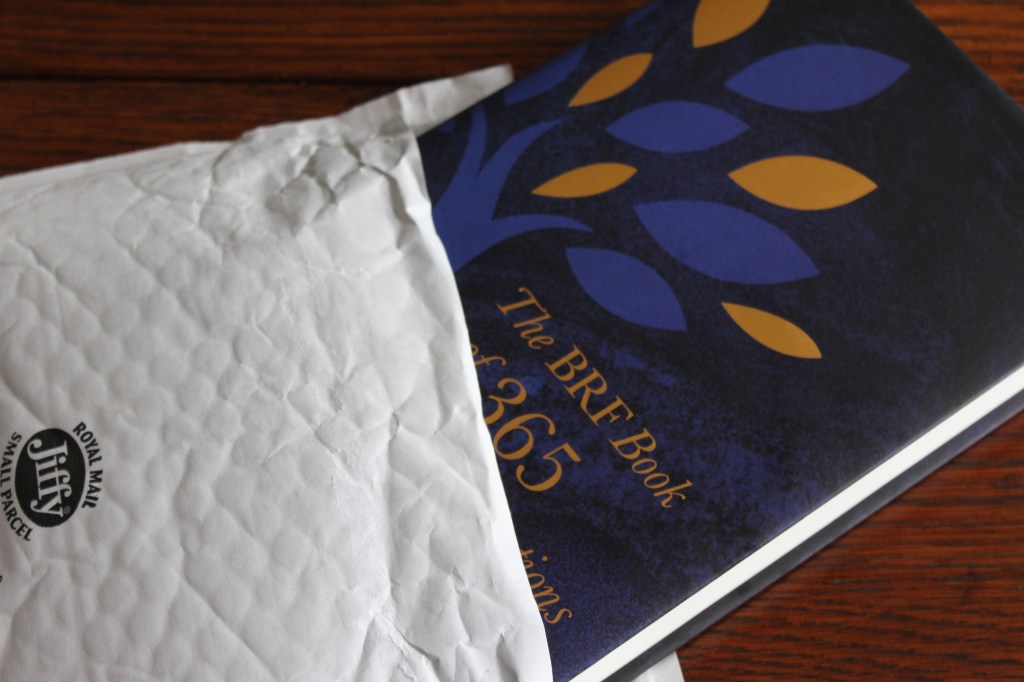
It’s very exciting to receive a parcel for a publisher – and today, this one arrived.
It contains BRF’s book to celebrate 100 years of publishing, and includes a huge depth and breadth of wisdom and insight. They asked a wide range of people to contribute, including me. I’m very honoured to be invited to be part of this important project, it’s so good! I’ve written for them for a while, in Quiet Spaces, and now New Daylight. They also published my most recent book, “Jesus said, I Am – finding life in the everyday”. I find myself in excellent company. Here’s one of the pages that list the contributors, and you can see the depth and breadth BRF have pulled together to make this book. You might find me somewhere in the middle.
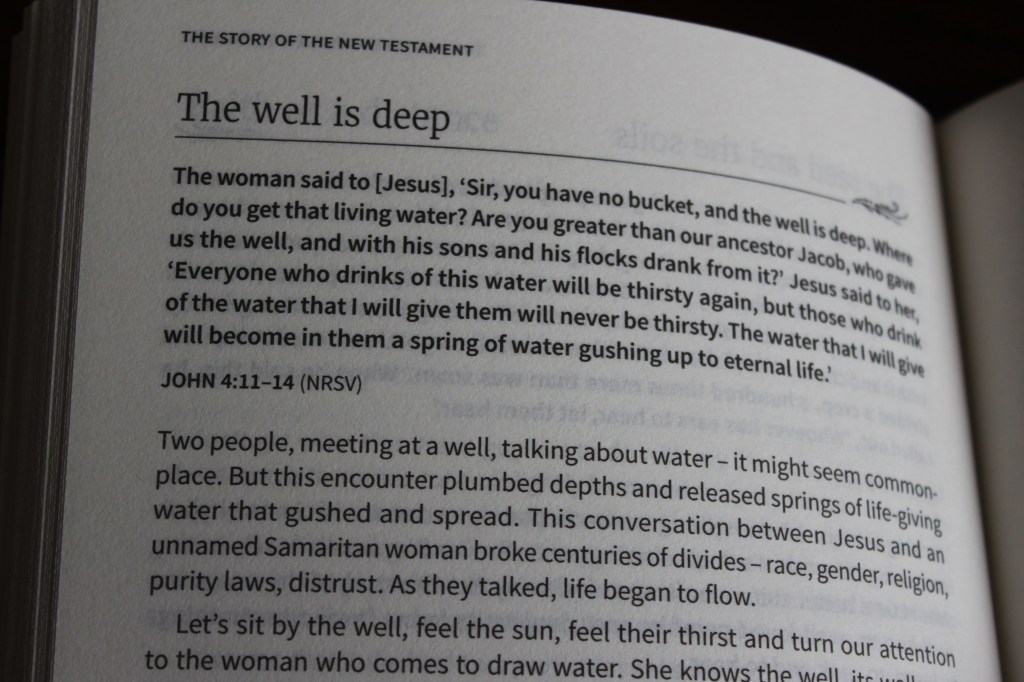
I was asked to write a reflection on a passage from John’s gospel, where Jesus speaks to a woman at a well. It’s a passage I love, and have spoken and written about before. I included a reflection on its themes in my book on the I Am sayings, as some scholars regard it as the first. You can read more about that here. As the title below says, the well is deep, and I find more and more wisdom, compassion and hope in the passage the more I allow myself to sink down into this encounter.
I’ve been having a browse through, and it is a beautiful, thoughtful book. It would make a good gift for someone interested.
You can buy it from the publishers here, or from wherever you like to purchase your books. It can be ordered from any local bookshop.
Last year, I gathered together some links for poems, readings and prayers here on my blog. All of them, on the theme of the road to Easter, are included in this revised post. I’ve also added some links to additional material. You will find sections for different days, with links included. I’ve noticed that quite a few people have been looking at Holy Week and Easter posts, and I’m really grateful for the interest. Thank you for joining me here. I hope you find this update helpful. I’ve also been contacted by some churches in the USA asking if they can use my poems in their online services. I am very happy to share my writing in this way. It really helps me if you acknowledge my authorship, and this blog as the source. It is a real encouragement if you feel able to post a comment about how you have used the material, and also how it went. I do love reading those!
I really didn’t think, when I gathered this stuff together last year, we’d still be keeping these holy days at home, or on zoom, or in very small gatherings, this year. But, as we are, I hope you find what follows useful. At the end, I share a link to a poem I posted for last Easter Sunday, which deals with the themes of being shut away. I wonder if this second strange Easter season may continue to give us some new insight into the isolation and separation recorded in the Gospel accounts.
This season of Holy Week and Easter is filled with realism and hope. It looks darkness, despair, violence and loss full in the face, unflinchingly. And then, it shows something new and good arising. It shows us a strange, unsettling hope for new life. It shows this hope birthed in a tomb. I think our recent collective and solitary experience may help us understand more deeply.
Perhaps we can focus on an inner journey, something quieter, more contemplative. As we do so, we may find, as many have before, that we get to a place of deeper connection, more grounded truth, fuller love. We may find new meaning in Jesus’ teaching and example – how he let things fall away, how he found himself alone, how he loved and forgave even so.
Please feel free to use any of the resources you find helpful, and to share them, saying where they are from.
***
The links will take you to blog posts where you will find extracts from my books, too. The books include:
You may have local bookshops open – if you do, they can order these for you. Otherwise, they are available wherever you usually do your online bookshopping. The links above take you to Bookshop.org, which supports local bookshops in the UK.
The Retold thread of my blog gives you sections from my book, “The Bible Story Retold in Twelve Chapters”, and “Prayers and Verses” that sits alongside it. They are good for all ages, and have been used in all age worship, Messy Church, and care homes alike.
***
******
The House at Bethany, the Raising of Lazarus
Many spend time with this Gospel story in Holy Week. It’s a story that means a great deal to me. You can find some links below.
Here you will find the readings, and some things to ponder, as well as one of my Mary at your feet poem. If you would like to focus on the poetry, you could go here:
Other Holy Week stories – You can find these in Chapter 11 of my retelling – both editions: The Bible Story Retold, and The Lion Classic Bible, which share the same text. The second of these has lovely illustrations by Sophie Williamson.
Prayers and Verses also has a section in Chapter 11 called The Road to Good Friday, which you might find useful.
********
Maundy Thursday – The Last Supper, Jesus washes their feet.
Last year, I wrote a series of poems for Good Friday, which were used in a number of churches near where I live. It was a great honour to be able to do this. I put together a recording and posted it on Youtube, and there’s a link to that below. I also compiled a suggestion for a Good Friday Meditation, with links to music and the poems. It’s all here, I hope it helps!
I was chatting to a friend the other day – via screens, of course – and we were mulling over what Lent might look like this year. We were thinking that so many of us have given up so much, and experienced various levels of loss and renunciation over the past year, that we wondered if we could reframe our thinking about Lent. Maybe this year we need something more plainly hopeful, and nurturning of new growth. This ties in with what I have been drawn to doing this late winter season, which is contemplating the parable of the sower, with its hopeful scattering of seed, its false starts, disappointments, failures, and as the seasons roll on, hope and fruitfulness.
So I thought I’d share with you some mediations drawn from the parable as we go through Lent, and find our way through this season of preparation for Easter in our strange new pandemic world. Other nature parables may find their way in too.
Firstly, here is the parable, from my retelling.
Once, when Jesus was surrounded by a crowd of eager listeners, he told them this story.
“One dry, bright day, when the wind was still, a farmer went out to sow seed. He took handfuls of grain from the flat basket he carried and, with a flick of the wrist, scattered seed, hopeful for its growth. But some of the seed fell on the path, where the passing of many feet trampled it, and the birds swooped down and ate it. Some fell on dry rock. After the soft rains, it swelled and sprouted. But then it withered, for its roots could find no water. Some landed among the thorns, which grew so fast that they soon smothered the tender new shoots. But some landed on good soil, where it grew up, and ripened. When the time was right, the farmer came back and harvested a crop from it, a hundred times more than was sown.”
After the crowds had gone, and Jesus was left with the disciples, they asked him “What does that story mean?” And Jesus answered:
“The seed is the word – God’s word. The seed that fell on the path is like the seed that falls in some hearts – it’s snatched away by the devil before it takes root, before those people begin to believe. The seed that falls on the rocks is seed that falls where there is little depth – at first, God’s words bring joy to those people, but there are no roots, and when trouble comes their faith withers away. The thorny places are like hearts choked up with worry, with riches and pleasures. There’s no space for God’s word to grow. But some seed does fall on good soil – the word takes root in hearts that are ready, and they hold on to it. In time, the word gives a rich crop in people’s lives, and they are fruitful.”
As we’ve been in enforced separation, and isolation, and solitariness, I’ve felt my need for conneciton more than ever. I’ve become increasingly aware of our interdependence, interbeing even, our bonds to the whole order of things as well as to other humans. The soil is our hearts, we read, so can we find our way back to a deeper understanding of soil, and our own natures?
Last year, before the lockdowns began, when we could still travel and meet and share, I gave a talk at my old college on this parable. I’d been thinking about how Jesus invites us to consider the flowers of the field, and the birds of the air, and to learn of God from them. Aware of how much damage humanity has done to the wildflowers and the birds, I was struck by what meanings we might learn now.
Here is a small extract:
But in this story, Jesus invites us to see ourselves as soil. Our hearts are soil. Often here we rush into wondering what kind of soil we are, whether we are good soil or bad soil – whether we measure up to some fruitfulness criteria, or not.
I’d like to linger awhile, though, with this ancient and unattractive idea that we are simply soil. I feel it may hold a glimmer of hope. Our language teaches us that humans are humus, made of the same stuff as earth. And from the Hebrew Genesis story – Adam is the one formed from the earth, and the earth is Adamah: dark clay. Ash Wednesday reminds us of this in the context of our sin and death. Today, I want to think of how it relates to our growth, our life. We are brothers and sisters of the earth, made of the same stuff. Can we see ourselves, and the earth, like that?
If we can, we might catch at something important, an antidote to what ails us. Perhaps the crisis we have wrought upon the life of Earth may have its root in seeing ourselves as too separate, too superior to listen to the soil, and the birds, and the weeds.
We can learn much from soil, and we can begin with a simple truth: soil is precious, and it is being lost and degraded – possibly like the human heart. Possibly both need a more tender and wise handling than they are getting in our culture. Soil, whether it is under our feet, or our own hearts substance, can be improved, tended, nurtured back to health.
This Lent, I feel drawn to practices that are nurturing and hopeful, rather than austere. Even so, there is another way of looking at Lent which may be part of this hopefulness. Maybe our ancient practices of restraint, and simplicity, may have wisdom we need in our current difficulties.
In times gone by, Lent was a lean time of year, as the winter was ending. It was a time when the world was waking up to life, when eggs were laid and young were born and cows produced milk again. Without some restraint, this fragile new life would not have had a chance to develop. Humanity chose to wait until the fullness of spring, after Easter, before relieving the winter’s hunger. This calls to mind the ancient Hebrew practice of the year of Sabbath. As well as having a day, once a week, when people refrained from economic and agricultural activity, there were also whole years when the land was permitted to rest, and the people dependend on what the land produced. These times of rest for the land were an important practice for God’s people, nurturing their awareness of their dependence on God. For land was less a possession to be used, more as a gift to be shared for the blessing and feeding of all. Perhaps we can look again at this quiet, gentle living with the land. Perhaps as we enter Lent, we can consider whether there are ways in which we can practice restraint for a season, to ensure the future flourishing of the land, and of the earth. To see restraining our desires as a spiritual discipline is something we can turn to once again.
As we face the degradation of ecosystems, and the loss of so much life, we can construct a form of Lenten fasting to protect and nurture the Earth, to bless the earth and all its communities of being. We are already engaged in abstaining from our pleasures and normal lives to save the lives of others, perhaps more vulnerable than us. We know how hard and necessary it is. Perhaps we can learn from this experience, and gently, kindly, nurture other Lenten practices of simplicity to promote the flourishing of all.
And so, as we reflect on the possibility of new growth as the deep snow melts, of spring and hope and lengthening days, I’d like to share with you this reflection as I put myself in the place of the sower, walking over the land. I am brought up sharp by hearing how degraded our soil has become, how future harvests are threatened by the thinning out of the complex life of the soil. I am greatful that the soil I have here is good, and that a careful spade will unearth many myriad of living things. So this reflection has meandered away from the parable, drawing on my own awareness of how dependent we are on the soil. I hope to continue to share these snatches of meditation with you as we go through Lent. I hope you will join me.
A blessing for the soil.
I bless the soil I walk on I bless the richness of the life I can neither see nor understand.
I give thanks for the fruitfulness of the earth. I give thanks for the falling and rising of green things. I greet the creatures, many legged, single celled, that do the work of life-from-death. May we protect and cherish this foundation. May we nurture good soil. May it be sheltered by plants, free from rocks and thistles.
May we learn in humility what it needs.
More on Ash Wednesday – Remember you are dust. This year, we have all had cause to think of our frailty. To know that we, and those we love, are fragile beings. The words of the traditional Ash Wednesday service have a new and sadder resonance this year.
If you’d like to follow my book, Jesus said I am, for Lent, you can find out more here. There’s lots of material on this blog.
Note, 25th March. This note is by way of apology. I was intending to make this a series running through Lent this year, and haven’t done so. I had a commission for New Daylight – I haven’t done anything for them before, and it took me a little while to get into the groove. That series of meditations will be published next year, also on parables. I wrote on the relationship rather than nature parables, and I couldn’t quite get my head around doing both things! I’ll tell you more about the New Daylight work nearer the time.
The Sower keeps calling to me though, there’s more to explore, and I’ll find a way of doing that with you in due course. Thank you for your patience!
Note, September 2023:
I’m delighted that this blessing for the soil has found its way to a piece Diana Butler Bass shared for this year’s Wild Goose Festival. Please do take a look at her gathering of deep and nurturing wisdom, here.
I’m really thrilled to be able to share with you that Janeene Streather has recorded a compelling and sensitive sign language telling of my children’s story, The Little Christmas Tree. It features beautiful close-ups of Lorna Hussey’s intricate illustrations of the trees and the animals.
It’s such a joy when something that emerges from your imagination finds a place in the imagination and work of another, and builds up layers of connection and resonance. And as a BSL story, it will find its way into the imaginations of others, and so continue to broaden and deepen as more people make a home for it in their Christmas storytelling.
Do take a look. It’s beautiful. If you are a teacher, parent, or member of the deaf community, this will be of especial interest, and I think everyone will find it a few minutes of gentle calm to help recentre us on the love that comes to us at Christmas.
If you would like to buy a copy, it’s very good that that bookshops are open again! It’s also available at all the usual online places, including bookshop.org which has already supported independent bookshops to the tune of £500,000 since its launch earlier this year.
Light and hope in even the darkest, coldest night. Advent blessings to you, and thank you for reading.
This post is a follow up from yesterday’s on ideas for using my children’s picture book, The Little Christmas Tree, this year for Advent and Christmas. You can read that post here.
I’ve also been contacted by another person who’d like to use my retelling of the Bible this Christmas. My old friend Rev Jenny Tebboth of Chalfont St Giles has had a lovely idea for involving families in an alternative crib service out of doors, which should be possible even if there are restrictions. Jenny has very generously given me permission to share the outline of her idea, in case it is of any help to another community trying to plan Christmas activities…. It’s well worth thinking about if you are puzzling over what to do for a crib service, or nativity of any sort.
It’s like a treasure trail…..
“Families will work through the story in six scenes round the village, read part of the story at each scene, pray and listen to a carol – ending behind the inn for hot chocolate.”
I’m so excited to think that my retelling will form the framework for such a lovely idea. The book is in twelve chapters, and Chapter 8 is mainly the birth and early life of Jesus, so there is a good flow of narrative for the six scenes. It’s a very exciting and innovative way to do a socially distanced Christmas adventure. Being out in the cold of winter will be a powerful way of entering into the Nativity story imaginatively, and offers something new and memorable to do to feel involved in Mary and Joseph’s search for shelter, and the birth of Jesus. It’s a beautiful idea, and I look forward to hearing more about it. I’ll post an update when I know more.
If you’d like to read more of my Christmas Retold, you can do so on a previous blog post, here. There, you’ll also find some prayers from my book, Prayers and Verses, and some beautiful pictures.
Here’s some of the story, though, to give you an idea:
At last they came to Bethlehem, but it was not the end of their troubles. The city was noisy, bustling, and heaving with crowds, and Joseph searched anxiously for somewhere quiet for Mary to rest – her pains were beginning, and the baby would be born that night. The inn was already full of travellers, and the only place for them was a stable. There, among the animals, Mary gave birth to her firstborn son, and wrapped him up tightly in swaddling bands and laid him in a manger full of hay. Then, she rested next to the manger, smiling at the baby’s tiny face.
There were shepherds who lived out on the hills nearby – the same hills where King David had once watched over the flocks, long ago. The sheep were sleeping in their fold under the shining stars, while the shepherds kept watch. Their fire flickered and crackled, and the lambs would bleat for their mothers, but they were the only sounds. All was peaceful. All was well.
Suddenly, right there in the shepherd’s simple camp, appeared and angel of the Lord, shining with God’s glory and heaven’s brightness. The shepherds gripped each other in terror, their skin prickling with fright. “Don’t be afraid, I’m bringing you good news – it will bring joy to all people!” The shepherds listened, awestruck, their faces glowing with the angel’s light. “This is the day the good news begins, and this is the place. In the town of David, a saviour has been born. He is Christ, the Anointed One, the one you have been waiting for. And this is the sign that these words are true: you will find a baby wrapped tightly in swaddling bands, lying in a manger.”
From The Bible Story Retold in Twelve Chapters
If you’d like a copy of The Bible Story Retold, you may well be able to order through your local bookshop even if it’s closed. Alternatively, there are the usual online places. I’m particularly excited about this new venture, though, and commend it to you….
Bookshop.org is a new enterprise which supports local bookshops while selling online. It’s applying for B corporation status in the UK, which means it operates to high ethical standards and makes a positive contribution to communities. You can read a newspaper article about it here.
If you follow this link, you’ll find my book The Bible Story Retold on sale there. It may be they don’t have many copies, so….
You can also find it on Eden bookshops, and all the other online shops.
Once again, it’s so good to hear and share these ideas. If you’d like to use any of my material, I’d love to hear from you. If you’d like, I can share what you plan to do on this blog nearer Christmas. You are very welcome to use my material whether you get in touch or not. Please do acknowledge where it’s from, and that will be good.
Last year, I shared with you how my children’s Christmas book had taken on a new resonance as we considered the need to protect our wild spaces – the home of so many beautiful creatures. The story is set in a wood, and the characters are the woodland animals. You can read more about it in last year’s post here. As we’ve been in lockdown, many of us have experienced a closer bond with nature, realising how important the natural world is to us. In simple ways, we can deepen that bond. I am finding it helps to care for the creatures I share my garden with – in the last few weeks I’ve built – or assembled – a hedgehog house, and put up a new bird feeding station. It gives me joy to watch the birds through my window, even as I’m typing away here.
This year, the story’s themes of kindness and hospitality, of gentleness and welcome, matter greatly. At a time when so many people in our community are facing loneliness and hardship, considering how we can best help when our usual practices of hospitality are not possible is very important. For instance food banks, and our Little Free Pantry, are a good way of giving and sharing if we can. A reverse advent calendar, where you add something to a box for every day leading up to Christmas, can be a way of sharing.
So that’s a couple of ideas that draw on the themes of the book. They might be appropriate for Advent this year, things we can do as individuals, households, or maybe schools. I’d like to share with you some ideas from other people, too…
I’m finding it’s really hard to think about Christmas this year – what might be possible, and what might be wise. It’s hard to think of not seeing those we love as we would wish, and it’s hard not being able to plan ahead. But we can begin. I am greatly encouraged that people are making plans, and beginning to get in touch and share how they’d like to use my books this year.
Here is the sparkly paperback edition
I’ll share something else about The Little Christmas Tree here, and then, an idea for another book another day!
The first idea comes from Janeene Streather, who makes engaging Youtube videos using BSL. Her videos are for the deaf community, their families, and schools – many of whom integrate some BSL into their classrooms and assemblies. You can find a link to her channel here.
She would like to make a BSL video of The Little Christmas Tree, as part of her series of stories for children. Once again, I’ll post more details when I have them. I hope to share the link with you, so you can easily watch Janneene.
For all of us, we are used to being able to visit schools, or churches, or share our work with communities in other ways, and are unable to do so this year. But we can share here.
Please do use these ideas and resources, acknowledging the source. If you’d like to use my book, I’d love to hear your ideas from you, and share them on here if you’d like me to.
If you’d like a copy, you may well be able to order through your local bookshop even if it’s closed. Alternatively, there are the usual online places. I’m particularly excited about this new venture, though, and commend it to you….
Bookshop.org is a new enterprise which supports local bookshops while selling online. It’s applying for B corporation status in the UK, which means it operates to high ethical standards and makes a positive contribution to communities. You can read a newspaper article about it here.
You can also find it on Eden bookshops, and all the other online shops.
Note and Correction:
In an earlier version of this post, I shared an idea for an outside nativity. I’d got my wires crossed and thought it was using The Little Christmas Tree. It will be using another of my books, The Bible Story Retold. You can read all about that here. Apologies for the muddle!
















 Andrea Skevington