A couple of years ago, during lockdown, I felt drawn to explore the stories of Moses and the Exodus.
One of these was inspired by Moses and the burning bush, where he takes off his shoes because the ground is holy. This poem now finds itself at Diana Butler Bass’ The Cottage, as part of her marking of the season of creation. It’s so good to be part of this beautiful musing on an important season, to be marking a shift in awareness as we begin to pause and reconsider our relationship with the rest of life on this dear blue-green planet.
I hope the link below will take you to her rich and thoughtful exploration of this theme.
Growing a garden which you hope will enrich and support wildlife, as well as provinding beauty for your own eye, is always full of suprises. This is no formal experiment, where we surveyed the insect and bird populations before we began to do things differently – in no small part because the process is changing and evolving and not based on a single decision point.
Last time I shared a poem with you, I hinted at the mysteries of not knowing. There are so many creatures I have no name for, yet, and I’m content to find out slowly. You can read that last poem, about the twilight creatures, here. This new piece carries a description of an unknown insect. I’m afraid I didn’t have my camera with me, and still don’t know what it was. Maybe one day I’ll find out! (Edit 22/7/23 see end of post)
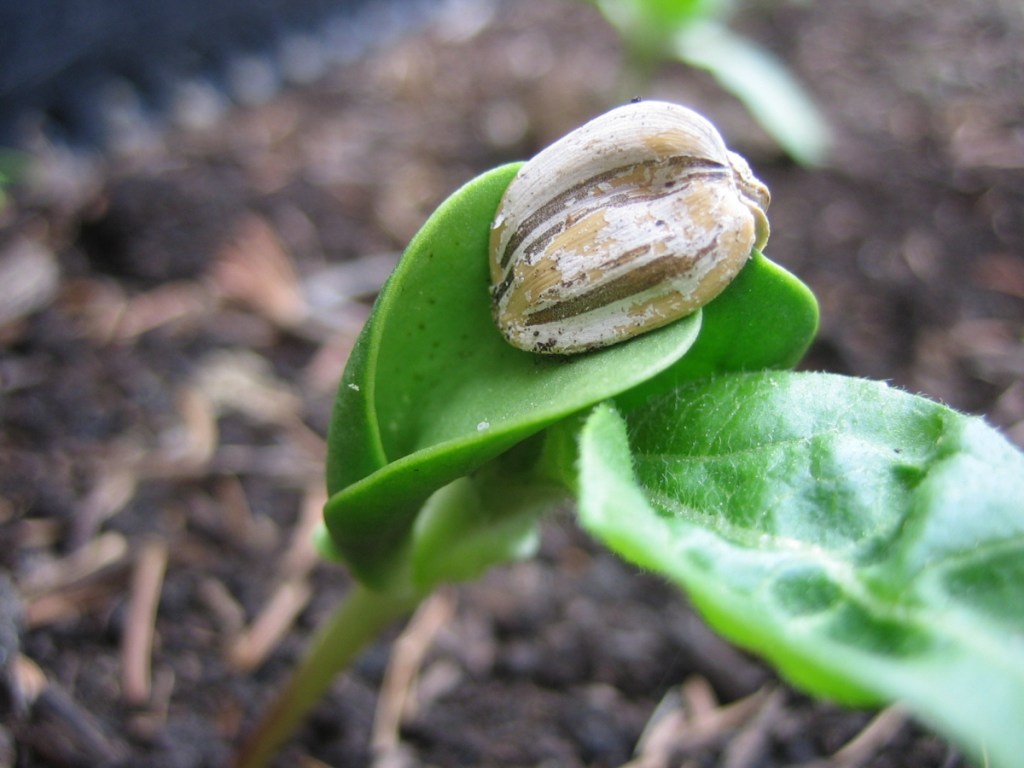
This second “Unknown” poem also holds within it a reflection on seeds, and our tendency to see things as small acts.
Unknown – Oxeye daisy
This morning, the oxeye daisy cradled an insect I had never seen before. Unknown, unimagined, strange and handsome.
Long, black, elegant, with an abdomen scriven in yellow runes. It stroked its long, curled antennae tenderly, as if they were locks of hair. Not knowing me, it knew no fear. It did not fly as I gazed.
That small pinch of seed from last year – tiny, dry as sand – each day brings a new and wondrous fruitfulness, an unanticipated beauty, a new joy, a new abundance. The scattering of it was no small act, it seems. And I am coming to think that there are no small acts, after all.
For those of you who are interested in the readings followed by many churches, now is a time when the parable of the Sower is often called to mind – along with other seed related parables. This reflection on the scattering of seed, and the fruits that follow, draws on the insights of those stories. You could begin to explore those insights here, and here
Edit 22/7/23: In the comments below Caroline suggests it was a longhorn beetle. Here’s a picture from the Natural History Museum – a spotted longhorn beetle. It’s the one I saw! Welcome to the garden, little friend.
Once again, I am astonished, delighted and honoured to find something I wrote has made its way in the world, and is keeping the most excellent company with Diana Butler Bass as she shares from the last day of the Wild Goose Festival in The Cottage.
Please do take the time to read her reflections, and those she has gathered. It is a rich feast, with much to refelect on. The theme of Sower and Soil seems more relevant than ever as our soils become depleted on many levels. I am very struck by Cathleen Falsani’s reflections on the parable of the Sower from Matthew’s Gospel, which really resonate with me.
The parable is one I’ve returned to again and again, it seems to carry richer and different meanings whenever I encounter it. Here are some links to posts on the subject, in case you’d like to follow today’s readings.
It’s always good to know that our words are part of an online community. So thank you to all who are joining me here, and I do hope the poem helps bless your Easter.
I’ve noticed that a number of you are turning to these poems as we approach Easter. Thank you for reading them, and I do hope they are helpful to you as you begin to meditate on Good Friday, and prepare for sharing that time with others – families, groups and congregations. Please do feel free to use and share them, saying where you found them. I love to hear about that.
Below the poems, you’ll find some links to other posts on this blog that you might find helpful too.
Father forgive them, for they know not what they do
We don’t know what we do, from the careless word that starts a fire of anger, to the careless killing of a butterfly – who knows what wide effects, what winds and rains, begin and end with just one death?
We walk in darkness, so often, and so often, we close our eyes, we do not wish to know. And Jesus, seeing this, that his life would end with angry shouts, with fearful washing of hands, with indifferent playing of dice, Knowing all this, even so, he bore our lawful unthinking violence, our blundering disregard for consequences. Another would pay for our actions.
Yet as the ripple of our acts flows out, through the world, who knows where, so too, now, flows forgiveness, following on, spreading and transforming, watering dry ground, lifting burdens and carrying them away.
2
Truly I say to you today you will be with me in paradise
Even as he hung upon the cross, even with blood from that false crown running down, not wiped away, he saw the two men at his side,
One joined in mocking with the priests and soldiers, speaking from his pain, and one did not, this second kept his eyes on something else – a hope.
A hope the one he looked on was a king, and of a kingdom where such things as crosses are not lifted up, a hope, even, of an end to death and pain – this pain, this death.
And, ah, his king begins to speak, of paradise. What a world to gift him dying there. A word of such sweetness, freedom, peace. See – clear water flowing, and flowers, hear the sound of birds, the lazy buzz of insects, the flutter of their wings.
What a word, at your end, to hold to, to capture our beginning, once again. But even more than this, to be with him, beside the king, seen and known, held in the loving gaze of one who hung up on the cross. Might this, even this, be paradise?
3
Woman, behold your son. Son, behold your mother
And still he sees, looks down towards the one who bore him, bearing this, the pain – not her own pain – worse, the pain of watching one you love twisting on those wooden beams, the nails piercing her own flesh too.
The time has come when all the treasure of her heart is broken open, scattered, lying in the dirt. What use to hold in mind the words of angels, the wealthy gifts brought by the wise, what preparation Simeon’s warning, when now she sees his agony with her eyes. But she is not alone, his friend sees too. John, who writes it down, bears witness, even here, even so. They turn their gaze upon each other and see each other with new eyes – a mother, and a son. Gifting them each other – his one last act of love, this giving, from an empty cup. This task of care can be ours too, to behold each other in our pain, and in our sorrow, walk each other home
4
My God, My God, why have you forsaken me?
You felt your generous heart forsaken, you felt the absence of the one who helps, who was beside you, in the beginning, who knew you from before first light.
We know too well the sparseness of your isolation, without light, and companionless, in the darkness of our own long night. And yet, within our dark, we find you there, Find you have waited for us long days, and years, while our poor eyes have grown accustomed to the dark, have learned at last to see you through our tears. So as you know our pain and feel it, you break our separation with your own. Help us see the forsaken all around us, invisible and in darkness, but seen by you. May we seek each other in the dark, May we have courage to cry out, like you, and so be found.
5
I thirst
The well is deep, and you have nothing to draw with. Where now that living water? Where is that spring within you, gushing up to fullness of life? Do you remember, now, the woman by the well? Your deepening talk of thirst and water, as now, again, you humbly ask another for a drink – this time, a sponge of sour wine?
Do you remember too, as the taste dries on your lips, that wedding feast, where water changed to finest wine? The richness and fullness of that beginning soured to this cold bitterness.
You are our source, the spring of all our rivers and still you thirst like us, need help to drink. And so give us this grace, that as we do for the least of these, we may know we do for you.
May we see you in each thirsty face.
6
It is finished.
All things come to an end. Even pain like this, Even the anger and the cruelty of a crowd, of us all, even the certainty of those so certain of God they hang a man upon a tree. Even the punishment and scapegoating even violence, even death. The work is done. It has all been borne. You have poured out your love, your life. You have carried our sorrows, suffered under our iniquities.
Your head bowed now, you sink into the final pain of nails, your body bears no more, having borne all. The work is done.
7
Father, into thy hands I commit my spirit
There is darkness now, deep darkness, over the face of the deep, and no hovering like a brooding bird, instead, the temple curtain torn in two, from top to bottom, and the Holy of Holies empty.
God is not found there, but here, with this dying man on a tree, He calls out father, and talks of hands, and we remember what his own hands have done, how many were healed by their touch, raised up and restored from cruelty and death, and now, he too will be held in loving hands, a reconciliation beyond our grasp, a trust even at this moment of last breath.
Dying, he taught us to die, dying he brought us life. May we be reconciled, may we know at our end, the comfort of those hands.
It’s getting close now…. Last night was the longest night. We’re in that pivot moment when darkness seems to have claimed the Northern Hemisphere, but we know that in just a few days, if we look, we’ll see that the days will lengthen, by moments to begin with. And some say that the first day when it’s possible to see that growing light is Christmas day itself..
And I want to give my attention to the story, to let the wonder of it seep through me. There are still things to do, but those things are joyful. After the last few years when covid stopped us gathering, gatherings can happen. And that is so good.
Christmas always holds a mixture of joy and sadness, of gains and losses. Mindful of these, I will hold on to the wonder of love being born among us, even though the circumstances could hardly have been less promising – for circumstances are never quite what we hoped, and there’s the lesson. To look deeper than circumstance. To make a courageous decision to hold on to hope, and peace, and joy, and love, even though. For these qualities are real, and true, and enough. These things are golden strands, woven through the dark fabric.. It is where they can be found. And the One who is coming will light the way, and scatter the darkness, and hold out a helping hand.
I’ll hold on to the message of “Love came down at Christmas”, and light my candles in the fading light, and watch the rain clouds sweep across the sky, rain falling on all of us, just the same.
Perhaps later, the skies will clear, and we’ll see the stars.
You can find out more about the candle ring, and the words around it, here.
The Roman Emperor, Caesar Augustus, had ordered a census throughout the whole empire, when all the people would be counted, and taxed. The orders spread along straight Roman roads, and were proclaimed first in the white marble cities and ports, and then in the towns and villages of the countryside.
Even quiet Nazareth heard the news, and Mary and Joseph began to gather together their belongings, ready to travel to Bethlehem. That was Joseph’s family home: he was descended from King David, of Bethlehem. They set off south on the crowded road, for the whole empire was travelling. But, for Mary, the journey was especially hard, and the road seemed never ending. It was nearly time for her baby to be born.
At last they came to Bethlehem, but it was not the end of their troubles. The city was noisy, bustling, and heaving with crowds, and Joseph searched anxiously for somewhere quiet for Mary to rest – her pains were beginning, and the baby would be born that night. The inn was already full of travellers, and the only place for them was a stable. There, among the animals, Mary gave birth to her firstborn son, and wrapped him up tightly in swaddling bands and laid him in a manger full of hay. Then, she rested next to the manger, smiling at the baby’s tiny face.
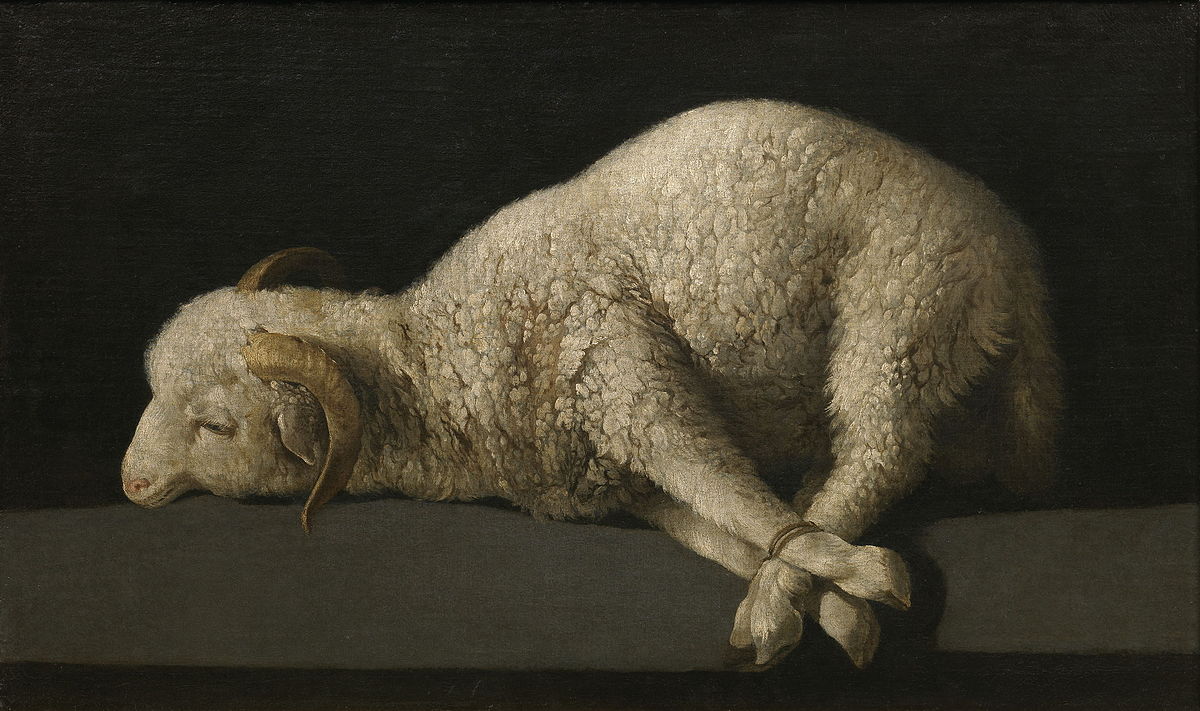
There were shepherds who lived out on the hills nearby – the same hills where King David had once watched over the flocks, long ago. The sheep were sleeping in their fold under the shining stars, while the shepherds kept watch. Their fire flickered and crackled, and the lambs would bleat for their mothers, but they were the only sounds. All was peaceful. All was well.
Suddenly, right there in the shepherd’s simple camp, appeared and angel of the Lord, shining with God’s glory and heaven’s brightness. The shepherds gripped each other in terror, their skin prickling with fright. “Don’t be afraid, I’m bringing you good news – it will bring joy to all people!” The shepherds listened, awestruck, their faces glowing with the angel’s light. “This is the day the good news begins, and this is the place. In the town of David, a saviour has been born. He is Christ, the Anointed One, the one you have been waiting for. And this is the sign that these words are true: you will find a baby wrapped tightly in swaddling bands, lying in a manger.”
The shepherds watched as light was added to light, voice to voice, until they were surrounded by a dazzling, heavenly host of angels, all praising God and saying “Glory! Glory to God in the highest, And on the earth be peace!”
And then, in an instant, the angels were gone, and the shepherds were left in dark night shadows, listening to the sound of a distant wind. But their eyes still shone with heaven’s light. “Let’s go and see for ourselves!” they called to one another as they raced over the dark, rocky fields to Bethlehem. There, they found Mary and Joseph, and, just as the angel had said, they found the baby wrapped tightly in swaddling bands and lying in a manger. They saw him with their own eyes, and spread the angel’s message to all they met. “The Promised One has come! The Christ, the Anointed One, has been born!” The angel’s words were on everyone’s lips that night in Bethlehem. And, as the shepherds made their way back to their sheep, bursting with good news, Mary kept their words safe, like treasures, in her heart.
And from Prayers and Verses . The first of these is a poem I wrote in primary school.
The dawn is breaking, the snow is making everything shimmer and glimmer and white.
The trees are towering, the mist is devouring all that is in the reaches of sight.
A bell is ringing, the town is beginning slowly, gradually, to come to life.
A candle is lighted, and all are excited, for today is the ending of all man’s strife.
O God, be to me like the evergreen tree and shelter me in your shade, and bless me again like the warm gentle rain that gives life to all you have made.
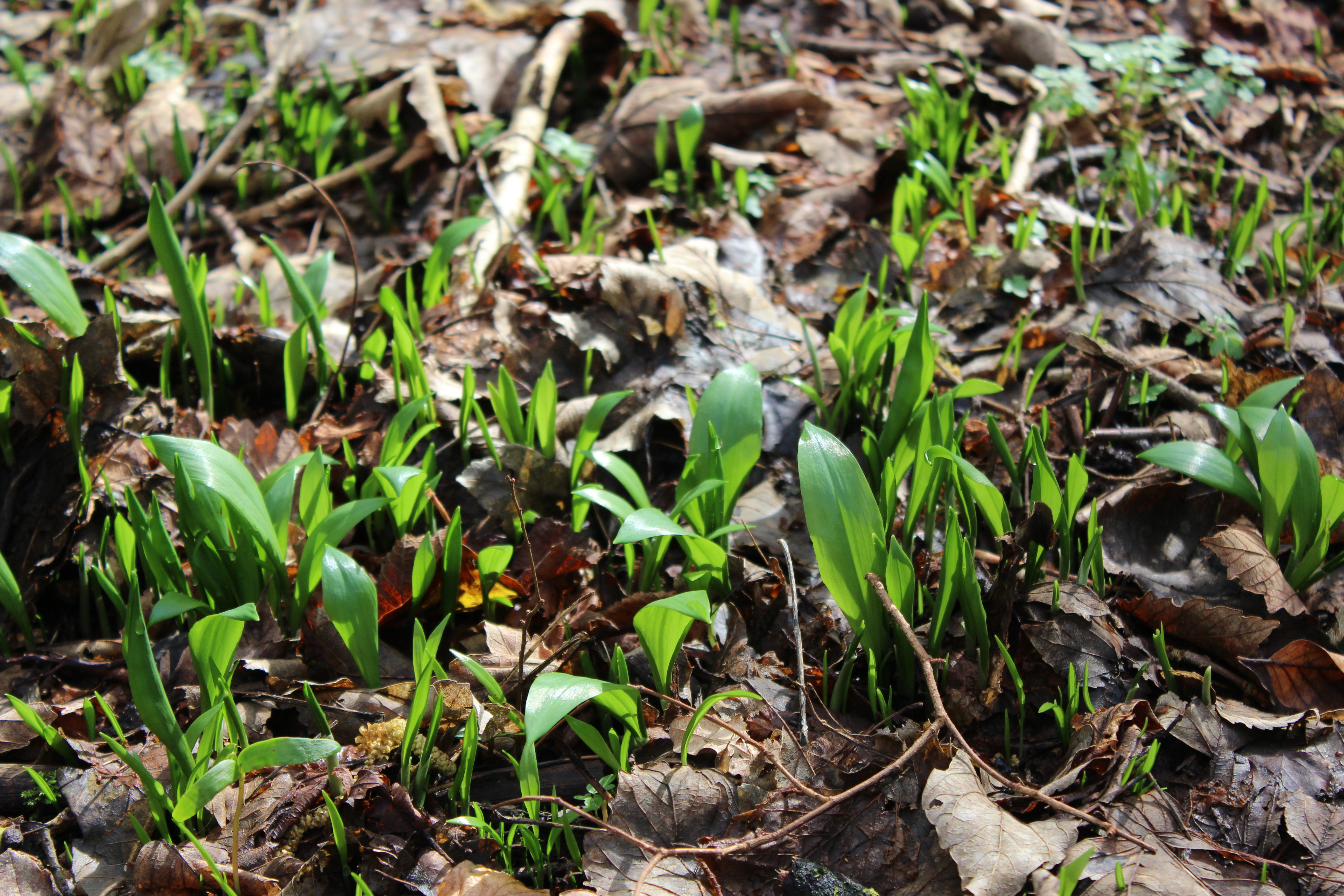
It’s getting closer to Christmas. Unusually, this fourth sunday in Advent falls exactly a week before the day itself. And it’s cold here in the East of England, with a biting wind driving down from the north. And once again, the news is as bleak as the weather. So, what treasure might we find buried in the cold hard ground of this time? Are there signs of a different way of being, of living, getting ready to uncurl and grow?
The word, the theme, for the week to come is Love. And we remember the old carol….
Love came down at Christmas Love came down at Christmas, Love all lovely, Love Divine, Love was born at Christmas, Star and Angels gave the sign.
Worship we the Godhead, Love Incarnate, Love Divine, Worship we our Jesus, But wherewith for sacred sign?
Love shall be our token, Love shall be yours and love be mine, Love to God and all men, Love for plea and gift and sign.
There is a mystery we can enter into as we draw close to the year’s midnight, in this darkness where something hopeful and joyous is emerging. And the sign of it is love. Simply love: the token and the gift and the sign. As we approach Christmas, we can reaffirm that gift of love. We can consider what it might mean this week, for us, to live from a place and awareness of love. If Love came down at Christmas, what would that look like for me, at this time? Can we accept the gift and sign of this love? Can we receive it and allow it to change us, so we too are part of the new growth of this silent, midwinter spring?
As ever, this Sunday has it’s readings. Here’s the one from Isaiah 7..
Again the Lord spoke to Ahaz, saying, “Ask a sign of the Lord your God; let it be deep as Sheol or high as heaven.” But Ahaz said, “I will not ask, and I will not put the Lord to the test.” Then Isaiah said, “Hear then, O house of David! Is it too little for you to weary mortals that you weary my God also? Therefore the Lord himself will give you a sign. Look, the young woman is with child and shall bear a son and shall name him Immanuel.He shall eat curds and honey by the time he knows how to refuse the evil and choose the good. For before the child knows how to refuse the evil and choose the good, the land before whose two kings you are in dread will be deserted.
And where that word – Immanuel – is translated as God with us.
It’s a profound promise. That God is with us. Even when we are unsure what we mean by God, even when we lose sight of what might seem clear in clear daylight, maybe we can come to know that we are held and accompanied in love. This, to me, is increasingly the heart and core and hope I hold onto. That God is indeed with us. And it is good to become alive to this in the bleak midwinter – as Christina Rosetti also wrote.
Recently some friends and I were discussing “God comes to you disguised as your life,” as Paula D’Arcy put it. The many ways we can find this “God with us” in all kinds of places – unexpected, joyful and difficult places alike. What if we could shift our hurry to categorise things as good or bad, this or that, and let them be, and wonder what they might teach us? Of course, we need to challenge injustice, work to make things better, but all of that begins with a clear-sighted seeing how things actually are – just the things themselves, viewed with compassionate curiosity. The gospels are full of hardship and difficulty, and love, companionship and healing. I am increasingly valuing the questions and uncertainties in the story – where things that seem bad, are turned to the good, and that which seems good, turns out to be less so. We can see instead how these things might work towards love, friendship, wholeness.
Some years ago I attempted a paraphrase of the beginning of John’s gospel. I thought I’d share it with you today.
Beginning
It started with the Word, who was there before the dawn of time – before the earth, the waters, the stars – there with God, was God. For in the beginning, there was simply nothing else.
But then, the Word began to work. When the Word spoke, the universe spun into song, and all things came into being. Without the Word there was only empty blankness.
For the Word, the universe burst into life like a desert after rain. This was the Word’s work – unleashing life and light – glorious and radiant, warming our lives like the sun in spring.
This is the light which shines through our darkness – cold, smothering darkness where nothing can grow. And the darkness draws back at its touch, not understanding a light that cannot be put out.
Then, the Word, source of life and light, came into the world he made, but the world hid its face in its hands. It did not recognise him. He reached out to his people, and they turned away.
Yet to all who welcome him, believed in him, he held out his hands to give them such a gift – to know that they are a child of God, Born of God.
So the Word, the One who was there from the beginning became flesh and blood and chose to make a home with us in this fragile, changing world.
He came with open hands to bless, brimming over with words of truth. He has unlocked Heaven’s storerooms and poured down gift after gift for us.
We saw his glory with our own eyes – we saw him shining with life and light, we saw the very One who came to us from the Father.
For no one has ever seen God. But this Jesus, the One and Only, who was there at the beginning, has made God known.
I’m so delighted to have one of my poems included in the wonderful Diana Butler Bass’ blog. I love her work and am currently feeling quite excited! It’s almost like I’m participating in the Wild Goose Festival from my rather hot garden.
Here’s a link to the whole poem – the first of a series.
I was thinking of the small, wind-carried seeds that now fill the meadow patch of our lawn, and how we never know where our words will blow to, how they will land, or what future flowers they may bear.
Edit: 19th July. I’ve just listened to Diana Butler Bass’ sermon on All the Marys. Wow. It’s extraordinary. Some astonishing new scholarship and some powerful rethinking of the Mary and Martha texts. I’ll do some pondering, and find out more, but here it is. If you have access to Substack, listen and be astonished. What if this is a valid interpretation?
I have no picture of the particular crows who caught my attention, and prompted this poem, but I thought I’d share this lino cut with you – I did it a few years ago now, and its good to remember the pleasure I took from carving away at the surface.
But this poem, a little later than I’d intended due to a bout of covid, came about only a few weeks ago, on a wild and unpredictable day. The way the crows stayed together as they flew was remarkable – they held a bond, they held their distance, tumbling together, despite the unpredictable blustering of the wind. It brought to mind all the things that we find hard to measure in our systems of measuring – the bonds between us, the gifts of attention and intent, the power of belonging. In this poem, the question of hope came to mind. I have not resolved it. I was thinking about hope in the face of all the pains of the living earth, including ourselves – the disruption and destruction of networks of life that have been in place for aeons.
Perhaps the question is one I can let go, learn to live with. And another, perhaps more useful question is can I continue to turn my attention to these strange, immesurable qualities of love, belonging, gratitude, which can shift our attention, and therefore our action.
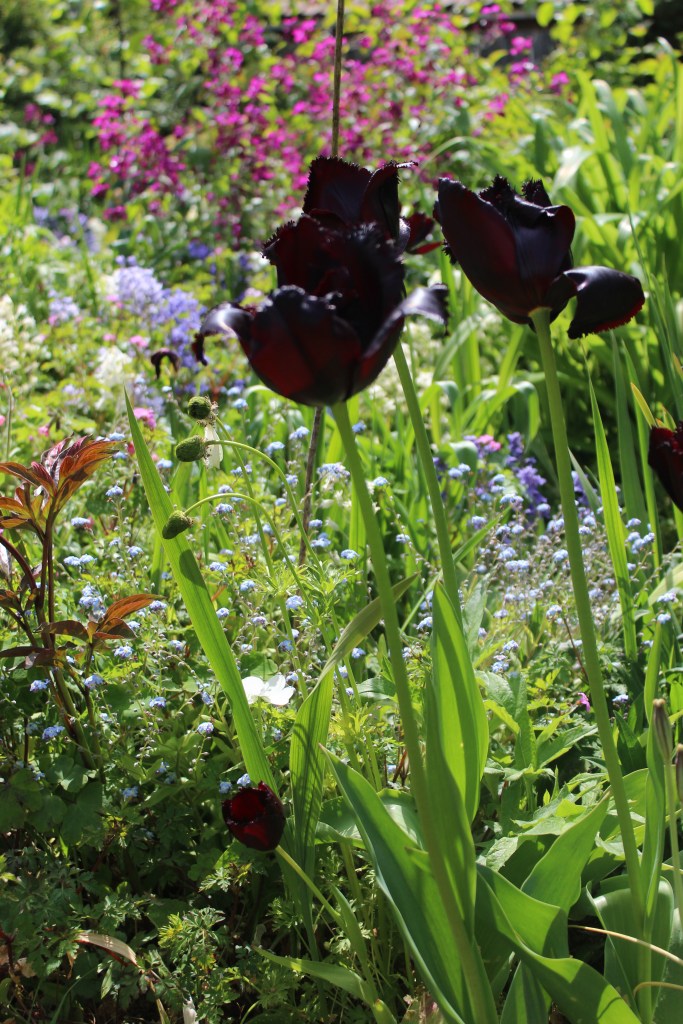
In any case, here are some pictures from the garden, and a poem for you.
Two crows in an April gale
And as the wind blows slant across the patched and mottled sky, I watch two crows tumbling and twisting sideways through the cold air, keeping together
As if each is the other’s fixed point, their north star, dark as they are against the darkening clouds, in this sudden, unfamiliar cold, as the wind veers north, then south, then north while the day’s unease lengthens.
And these two birds floating through so much turmoil, an upended sky, remain, strangely, together – paired, equidistant, invisibly tangled, gyring like lost kites with sinuous strings.
Is there any hope? I know not. Facts singe and darken with fire. Even Spring seems provisional as the wind shifts strangely.
Do I hope? I know not. And yet this bond between the birds speaks of much that is not counted in our counting of facts. Our reckoning speaks not of the loves between us, the urgency of our turning, the efforts we bear to remain close, all things holding together in strange union.
Now, a lull, the crows are gone, and the blackbird sings still, and yet, and
Oh I cannot bear that he should sing in vain. So sing into being a new, ancient world, brother bird, dear one, sing on, calling to another, calling to life, and who knows where this bleak wind will carry our songs.
Who knows the power of these loves, of that sweet melody, of the tumbling together of crows.
The lino cuts at the top of this post were done to go with some poems which I posted before. If you would like to read them, you can begin here.
As I was thinking about all that binds us together, these words from the New Testament came to mind. They help me. Colossians 1:15-17
Over the past few years, I’ve gathered and shared with you links to various readings here on the blog that tell the Easter story. Whether you are joining together with many others, or perhaps staying within a smaller household group, or a gathering of friends, I hope you will find here something that supports you, whatever you are doing..
I notice that two posts are proving particularly helpful at the moment. I’ll share links to these at the beginning, and then go through everything in a Holy Week sequence.
Do please feel free to use any of these resources, acknowledging me and this blog. It’s always good to hear about that, though, so do let me know if you can!
These are the most popular links here on the blog at the moment:
Here you will find the readings, and some things to ponder, as well as one of my Mary at your feet poem. If you would like to focus on the poetry, you could go here:
Other Holy Week stories – You can find these in Chapter 11 of my retelling – both editions: The Bible Story Retold, and The Lion Classic Bible, which share the same text. The second of these has lovely illustrations by Sophie Williamson.
Prayers and Verses also has a section in Chapter 11 called The Road to Good Friday, which you might find useful.
Maundy Thursday – The Last Supper, Jesus washes their feet.
Now, we come to the new poems I’ve written for Good Friday – based on the seven sentences Jesus spoke from the cross. I’ve put them together with some readings, music, and art, to give you a Good Friday Meditation.