Poem: Moses and the Burning Bush – Exodus Poems 4

I have continued to turn the Exodus story over in my mind, as one that may help us as we think about the multiple, colliding crises we face. I am finding it illuminating, as we consider how we might move out from the situation we find ourselves in, to the possibility of a more hopeful future. These meditations are forming the basis of a series of poems. If you would like to read the stories, you can do here.

You might like to read the other poems so far, and you can find the links here.

Poem: Pharaoh’s daughter, and the child. Exodus poems 1

Poem: God saw – and God knew. Exodus poems 2

Poem: Holy Ground, barefoot. Exodus poems

In this latest poem, I wonder what it must have been like for Moses, who started out so full of hope and promise, who so wanted to defend his people, to right wrongs, that he responded force against force, and killed a slavemaster. In fear, he ran, ran away from all he had known, he built a new life away from Egypt. Did he remember his brothers and sisters, did he despair of this system of oppression that he had been unable to change? It must have seemed so powerful, so resistant, too cruel to those he loved to even hope for freedom.

I wrote about Moses, and this encounter with God, in my book, Jesus said, I am – finding life in the everyday. You can read a little more about that, and some extracts, here, if it interests you.

WP_20171015_17_37_36_Pro

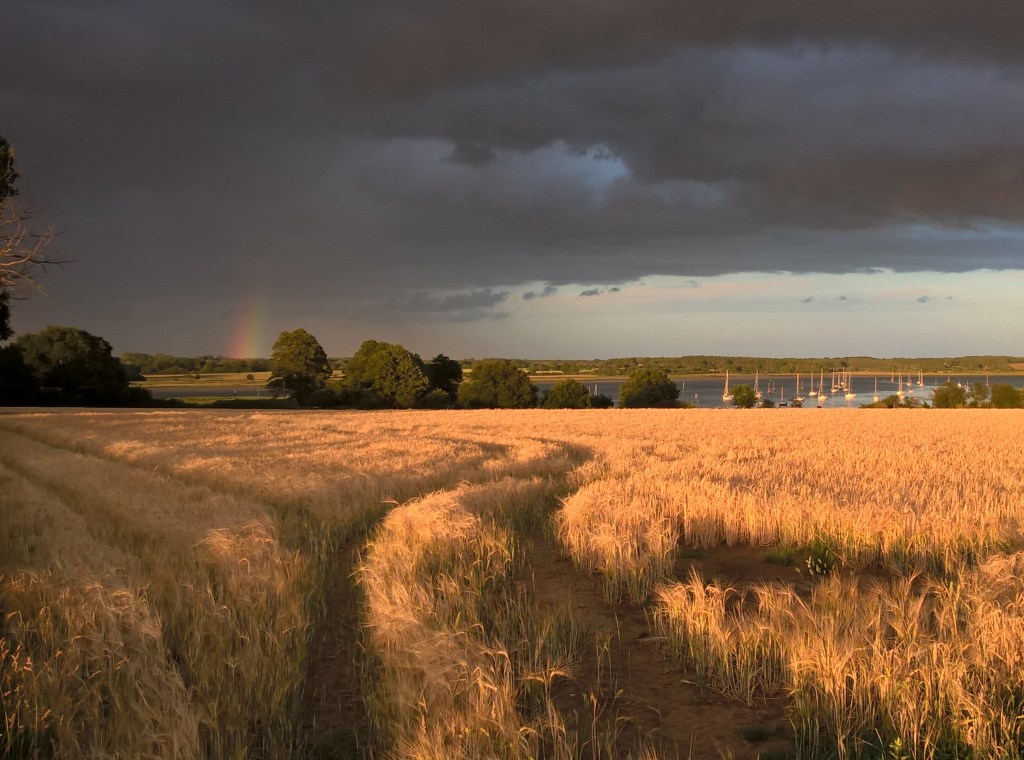
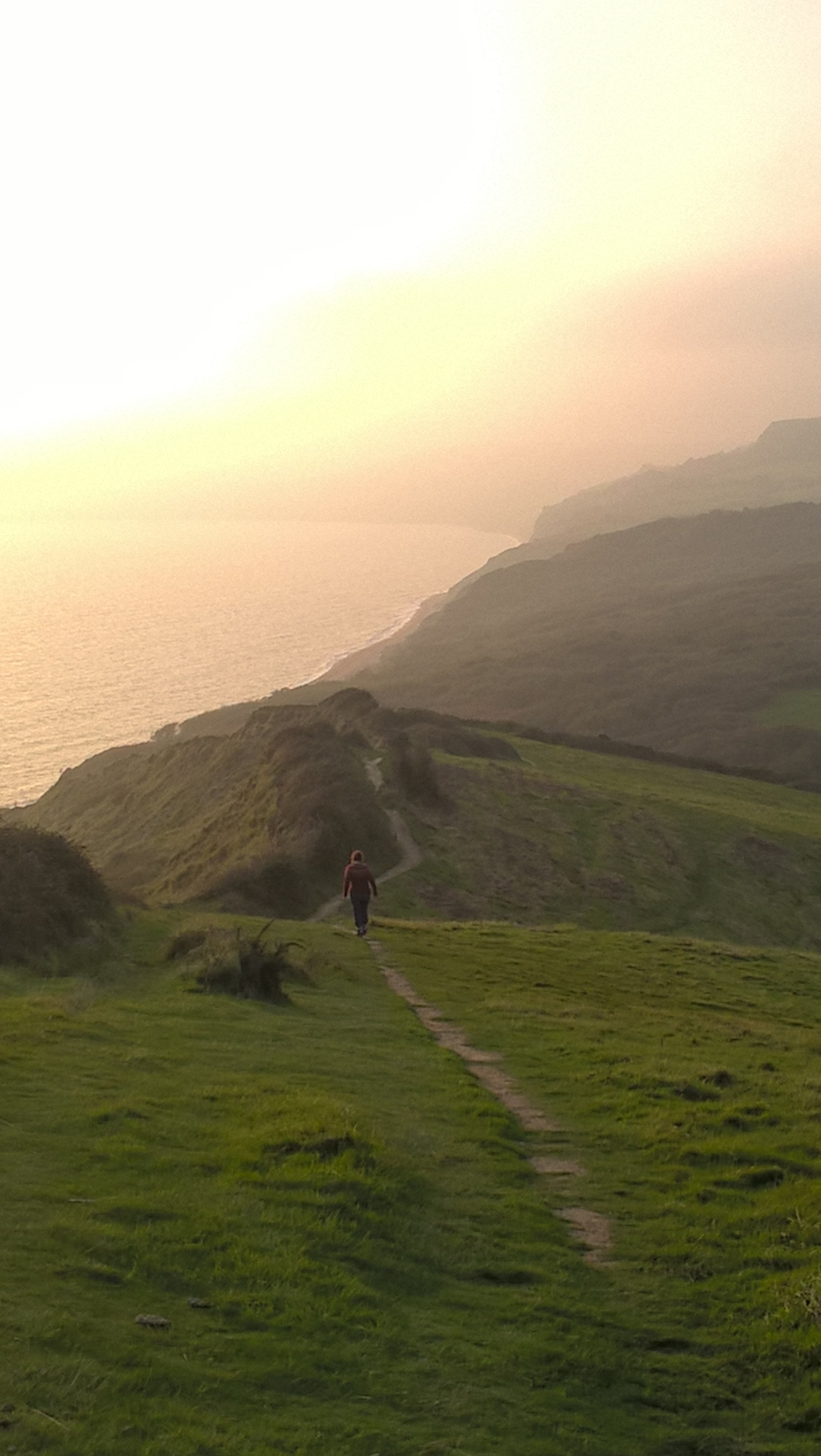
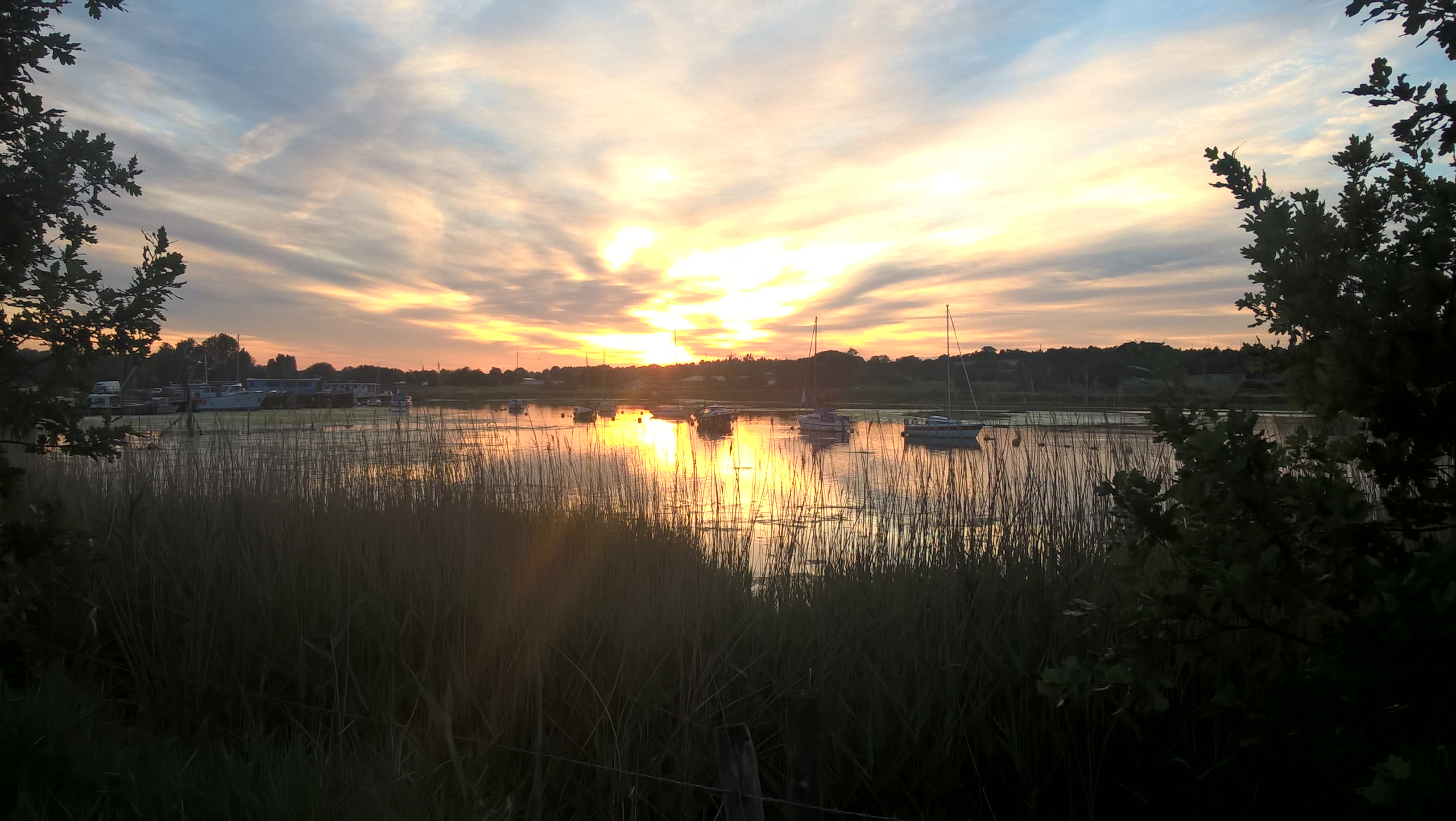
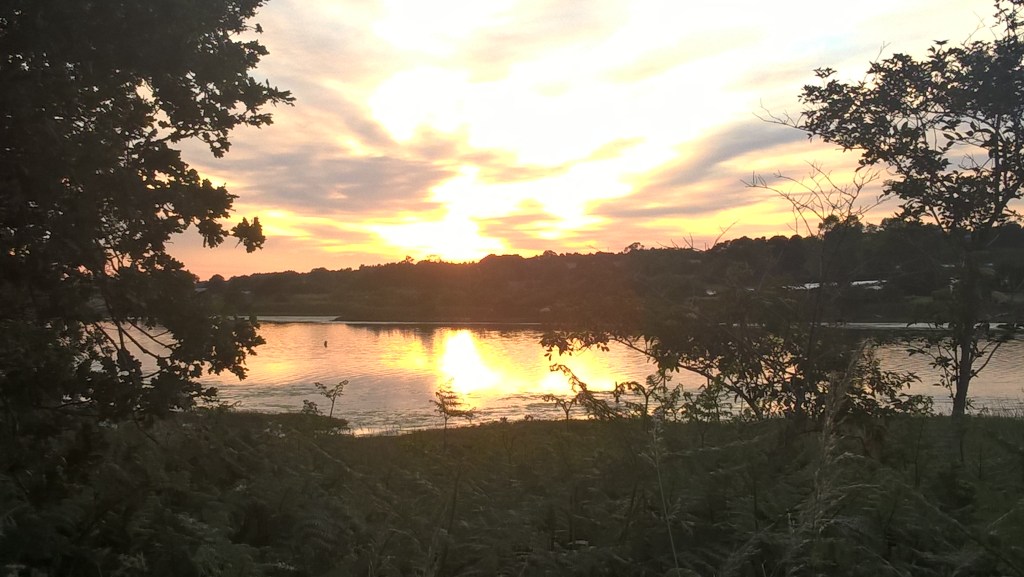
Walking down from Golden Cap, in the sunset dust of Storm Ophelia

What do we do, when it seems we’ve lost our chance to work for a more beautiful world? What do we do, when it all seems too fixed, too permanent ant, too big and powerful for us to make a difference?

Maybe we can see things differently, maybe our eyes can be opened to deeper truths, as the old ones crumble before us, and something new – something that was always there – begins to emerge.

WP_20171015_11_32_06_Pro

Moses and the Burning Bush

You stood on that dry mountain,
eyes narrowed against wind
and sand, scanning
the bright horizon,
looking for threat, or grazing
for those sheep.

Were you content to be a shepherd
now, Prince of Egypt?
Were you reconciled to this life
smaller than your dreams?
Did you think it was all too late,
too late to do anything
to help your brothers,
to help your sisters,
the slaves,
to reclaim your people?

Shepherd, with the bleating
of the flock about you,
did you dream still,
under the strong sun,
of what-could-or-should-have-been?
Did a new world seem impossible?
Or were you breathing
in this moment,
with the dust smell,
and the sheep smell,
and the plants thick with resin?

It was no dream,
what happened next,
no could-or-should-have-been,
that burning bush –
crackling, smoke smell,
burning, but not consumed.

In that moment you took
off your shoes, and learned a
name for God that is no name,
I am what I am.
I will be what I will be.

In a moment,
your reality peeled open,
revealing fire within,
the truth within,
giving you back
the discomfort of hope,
giving you back
your people,
and your way.

Poem: Stamps

eadt woodbridge

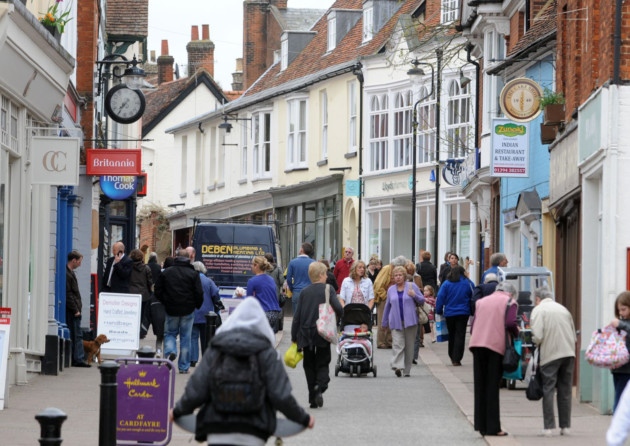
Photo from the EADT, from some time before the coronavirus crisis

I had to go to the post office today, walking through the shopping street of the market town where I live.  It was much busier than it has been, which is good for trade, but means you have to engage in a complex dance of awareness and courtesy to give people enough room, especially near those who seem to be moving to music all of their own and not noticing the paths of others.  There is some anxiety even seeing your neighbours and friends, trying to remember to keep your distance, and suppress the desire to be close, to hug perhaps.

I remembered this poem as I was at the counter, which I shared with you some time ago.  I remembered it as I felt the absence of the connection I associate with running errands in the town, a lack of touch, and often of looks and smiles, as we seek to navigate a world where we look different in our masks, and sometimes don’t yet recognise each other in these new guises.

It’s a poem about contact and connection through a perspex barrier, how we long for such connection, and seek to make it.  It is also a poem about the gentleness we can adopt with strangers, not knowing the sadness, the burdens, they may be carrying.  It seems an appropriate poem for today.


Stamps

Two of the blinds were down,
Position Closed, but yours
hovered, unreadable, just
above your head.

There was   no queue,
and I approached you
cautiously,
clutching thick manila
envelopes.

Are you open? I asked.
As you raised your head,
I saw trails of tears down
your smudged cheeks,
such large heavy drops.

First class, two –
I’m so sorry.
You smiled, and
I stretched out my
hand and touched
fingertips to the glass,

Passed warm coins
through, which you
held a moment,
then gave me stamps,
straightening your back.


Poem: Strawberries

IMG_1877


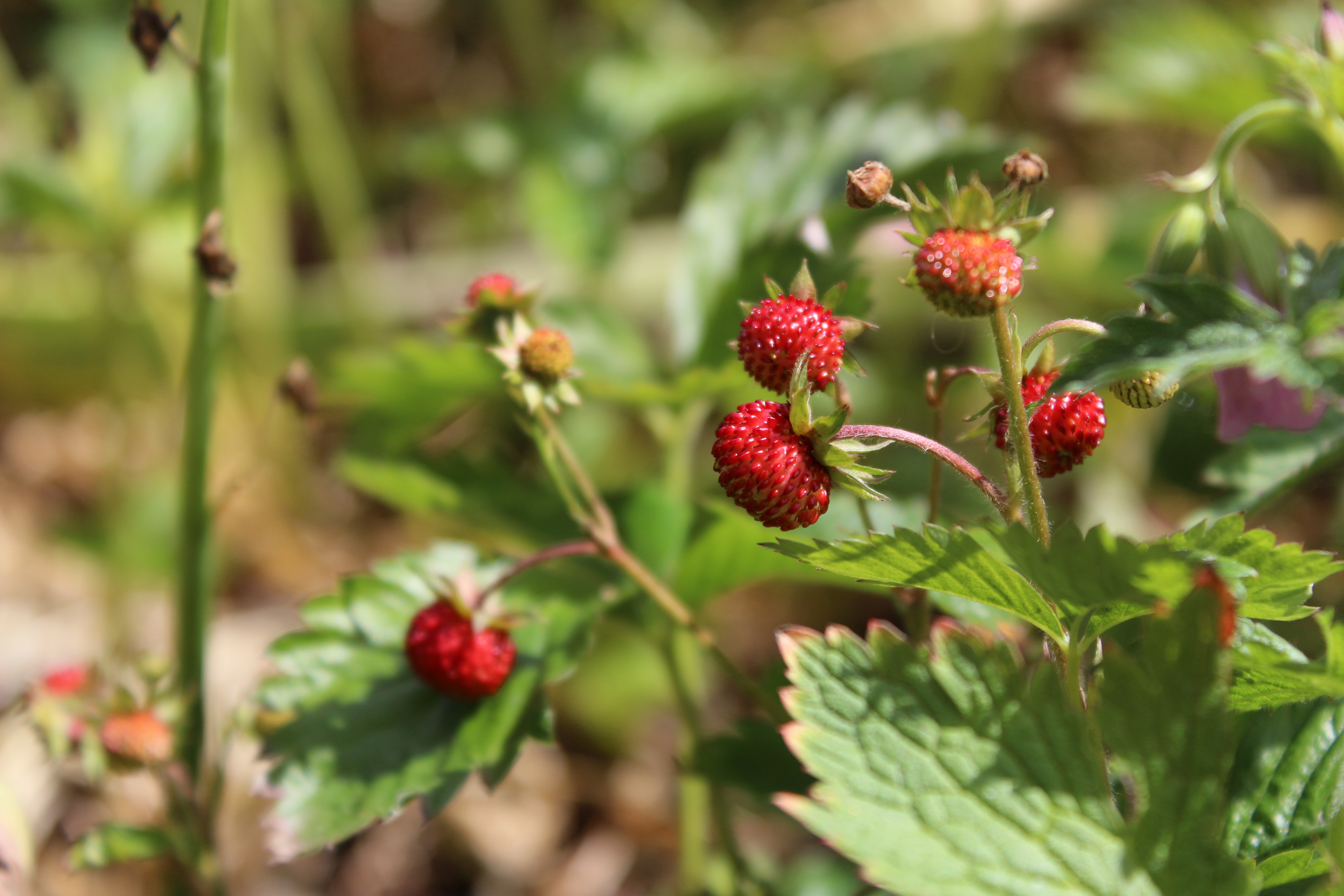
The main crop strawberries are over now, but these little alpines continue – first one part of the garden, then another, is the place to hunt.  It depends on light, and shade, and water, and when the robins and blackbirds discover them.  We – people in our neighbourhood – are sharing plants, and produce, when we have surplus.  It’s part of the deeper connections we’re working to make, to give and to share.  It’s a kind of abundance and connection that gives me hope.  The Transition Woodbridge movement have been doing a marvellous job of facilitating sharing surplus plants and produce, especially during lockdown, and are continuing to plan harvesting from the community fruit trees as the seasons begin to turn.


I wrote this poem when the space under the rosebushes was full of big juicy strawberries – and I took photos, too, but my memory card was playing up, and they were lost. So the pictures are of the smaller ones, which seem to keep going most of the warmer weather. Whenever I eat the big maincrop strawberries, I think of the friend who gave me the parent plants to all I now have.  She lives further away now, but is still growing beautiful things.  She taught me a lot about gardening, especially about listening – to the land, and the things that grow there – and learning from your place.  I miss her, and, when harvesting strawberries one day, I thought of the good fruits of friendship, and its spread and reach, and how it enriches our communities and lives so much, along with the plants and the produce.  We see the goodness of the fruits.

IMG_1034


Strawberries
for Kay

Today I am thankful
for strawberries,
growing under the rose bushes,
festooned with casual netting
like a green scarf.

Some rest on the old
stone path, ripening fast,
others are hidden among
leaves of ladies mantle,
sheltered from sun and beaks,

And most of all, I am
thankful for the friend
I watched as she gently
dug the parent plants
from her own rich patch,
who held them out to me
with a reminder to
plant at dusk,
in the cool.
How they have spread
since then.

Friendship, too,
sends out long runners,
who knows where,
small plants that root
as the moment arises,
and how, years later,
these too give
sweet red fruit,
again, and again.


Poem: Meadow

IMG_1874

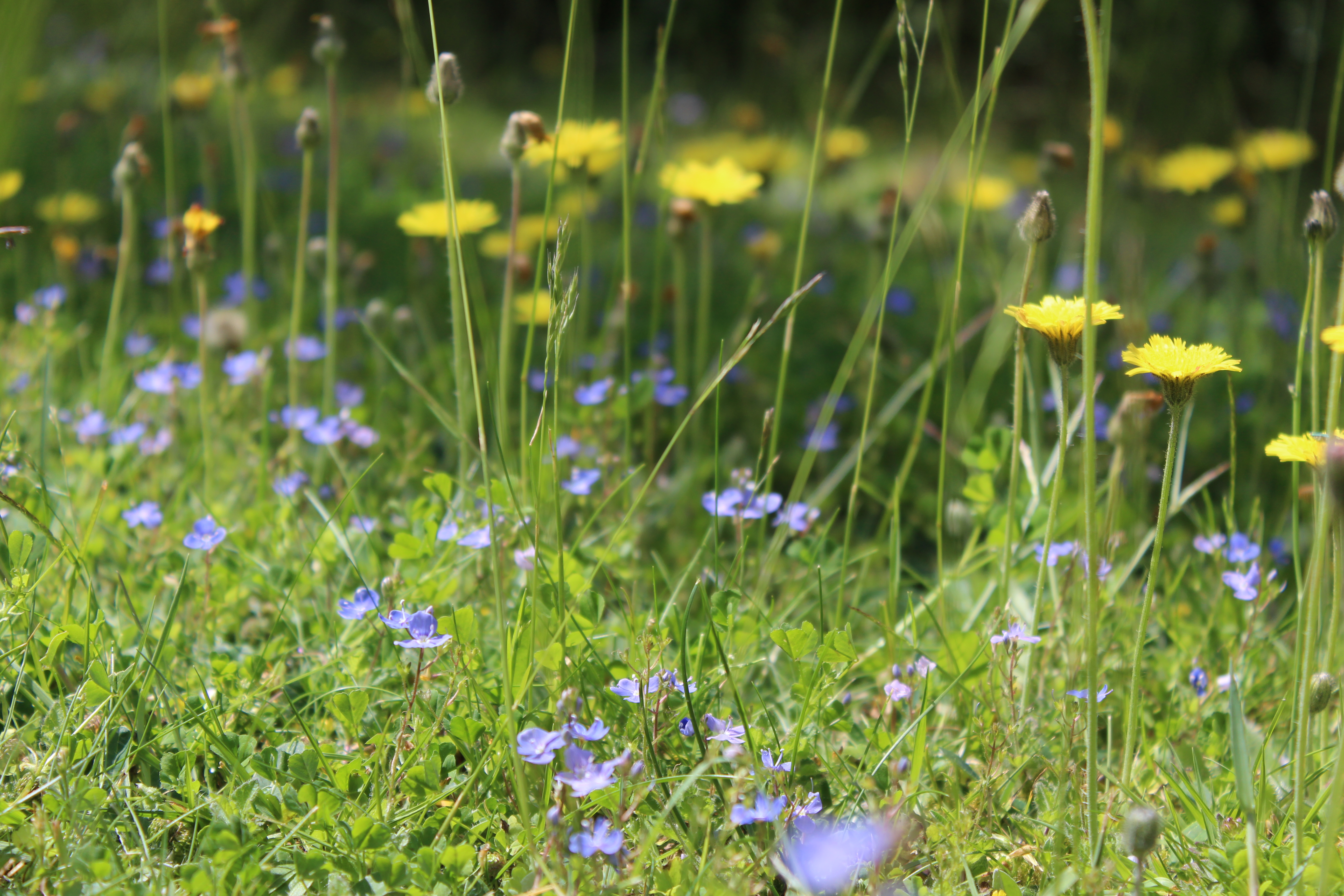
The meadow flowers close up, a few weeks ago.

IMG_1898

IMG_1899


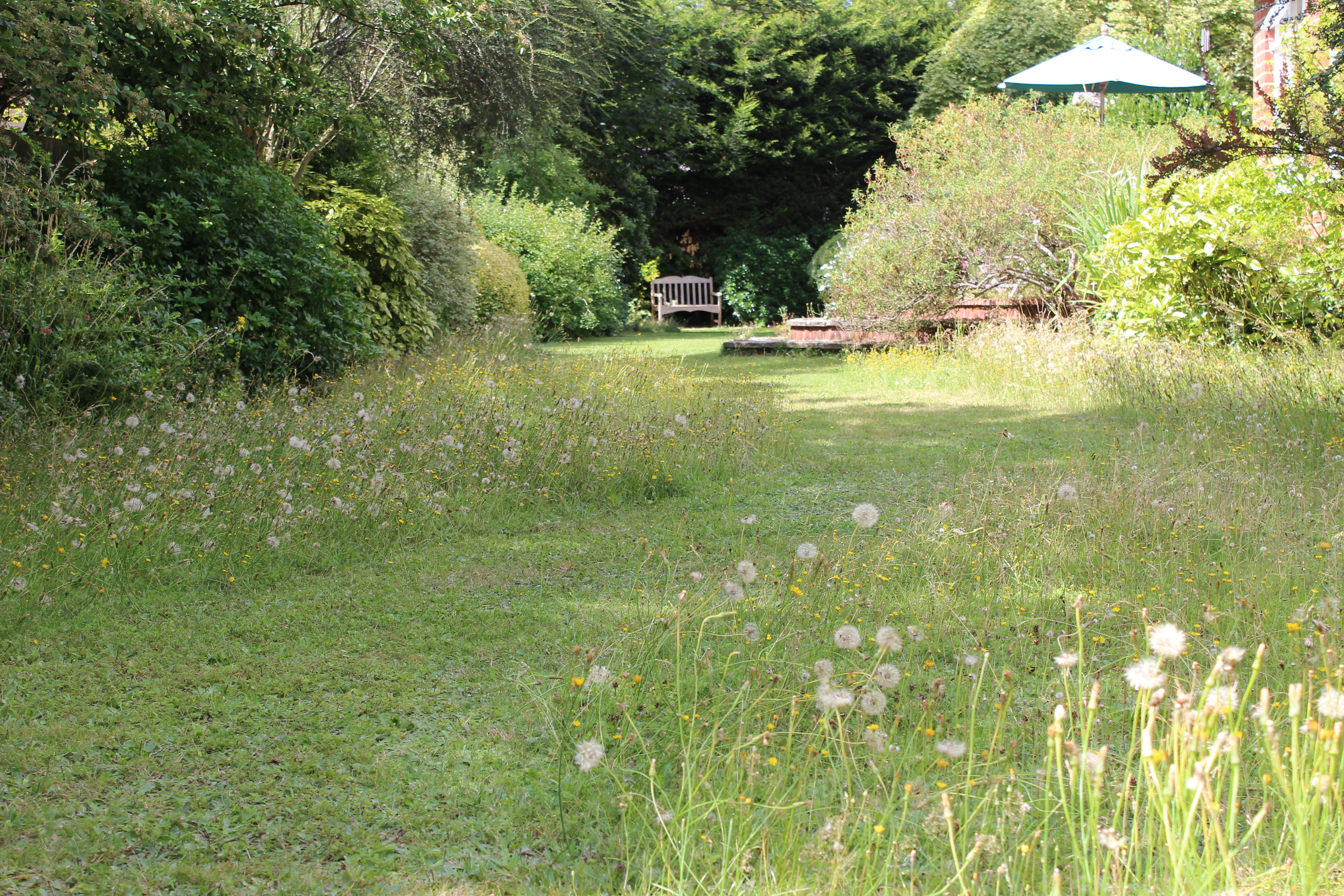
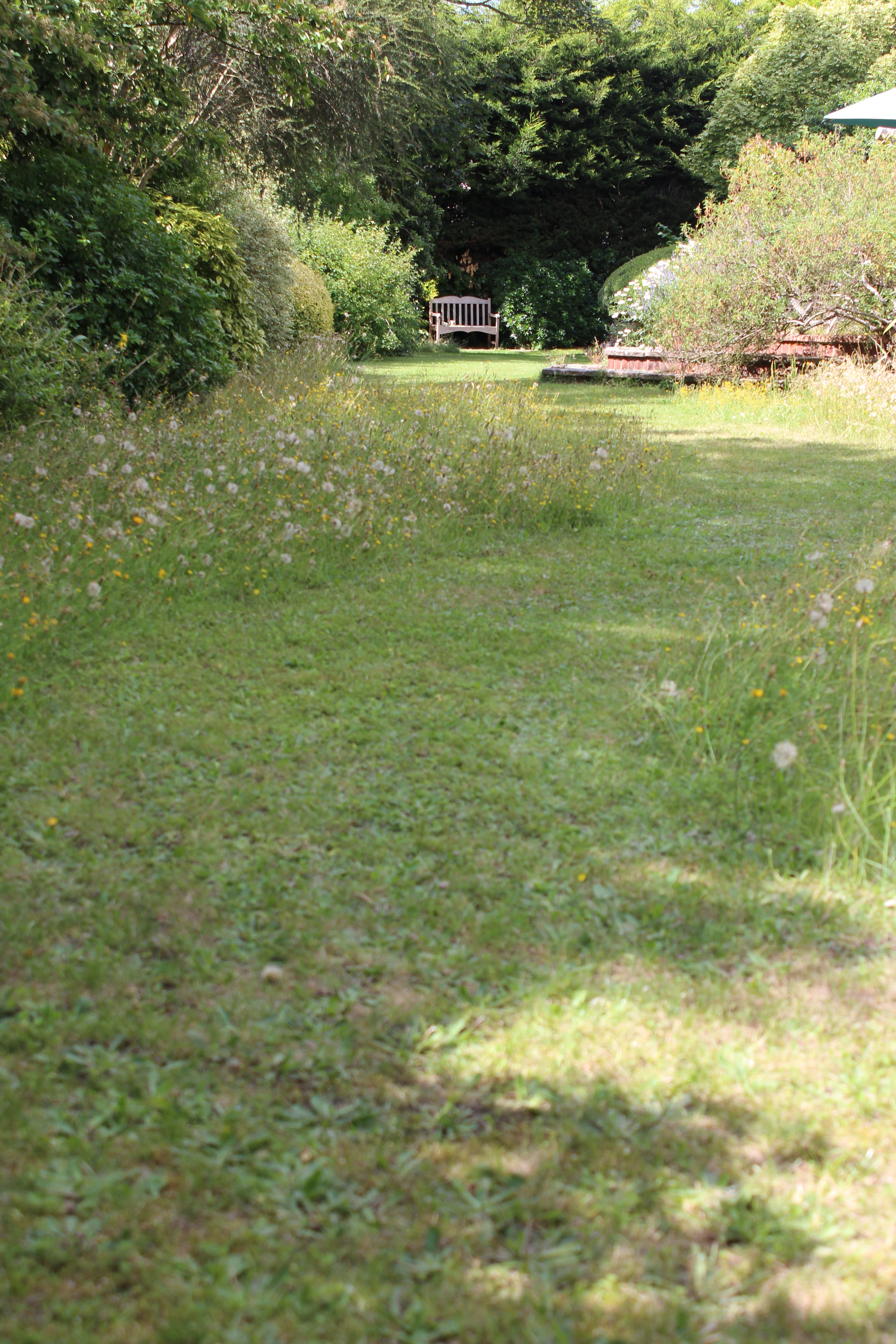
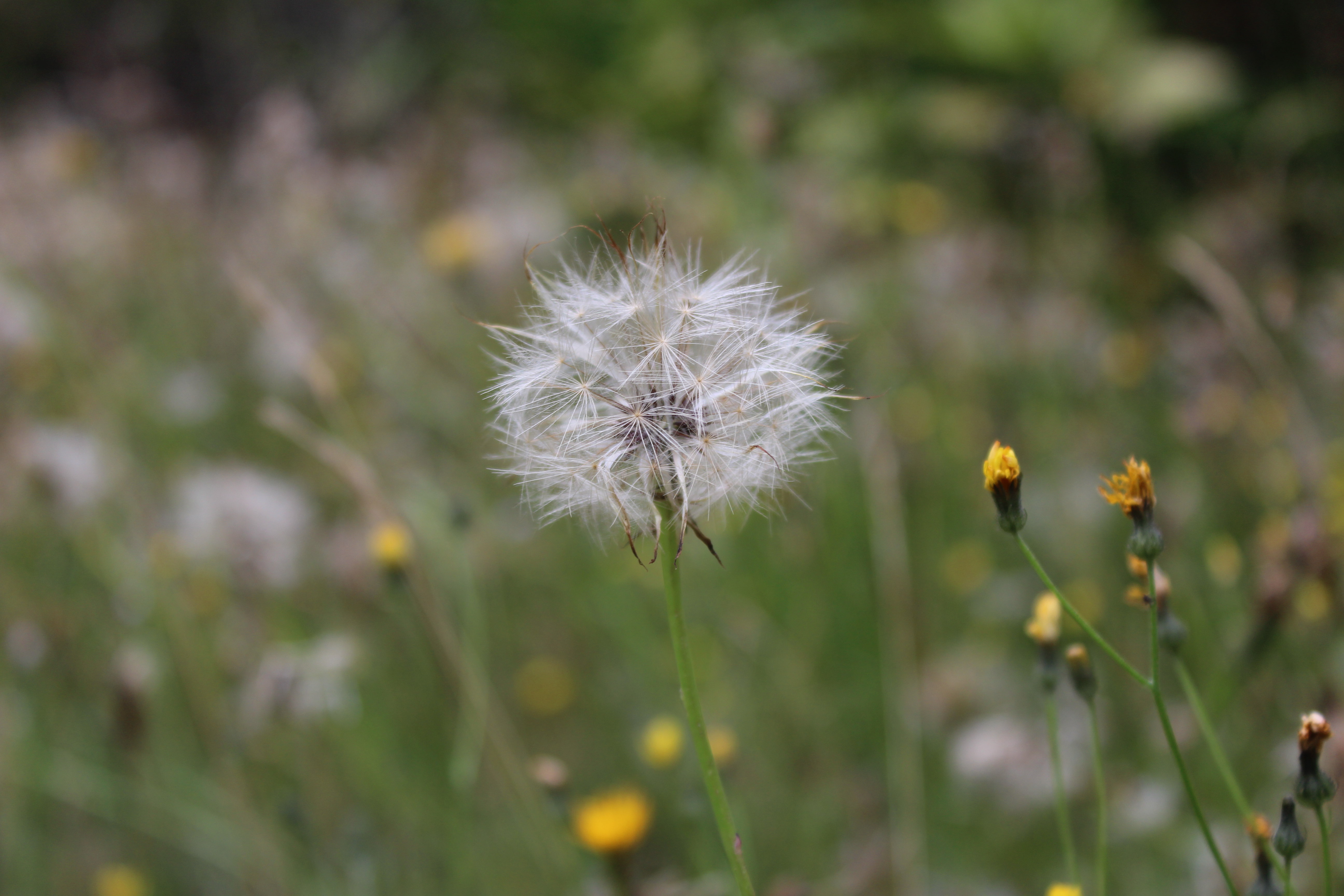
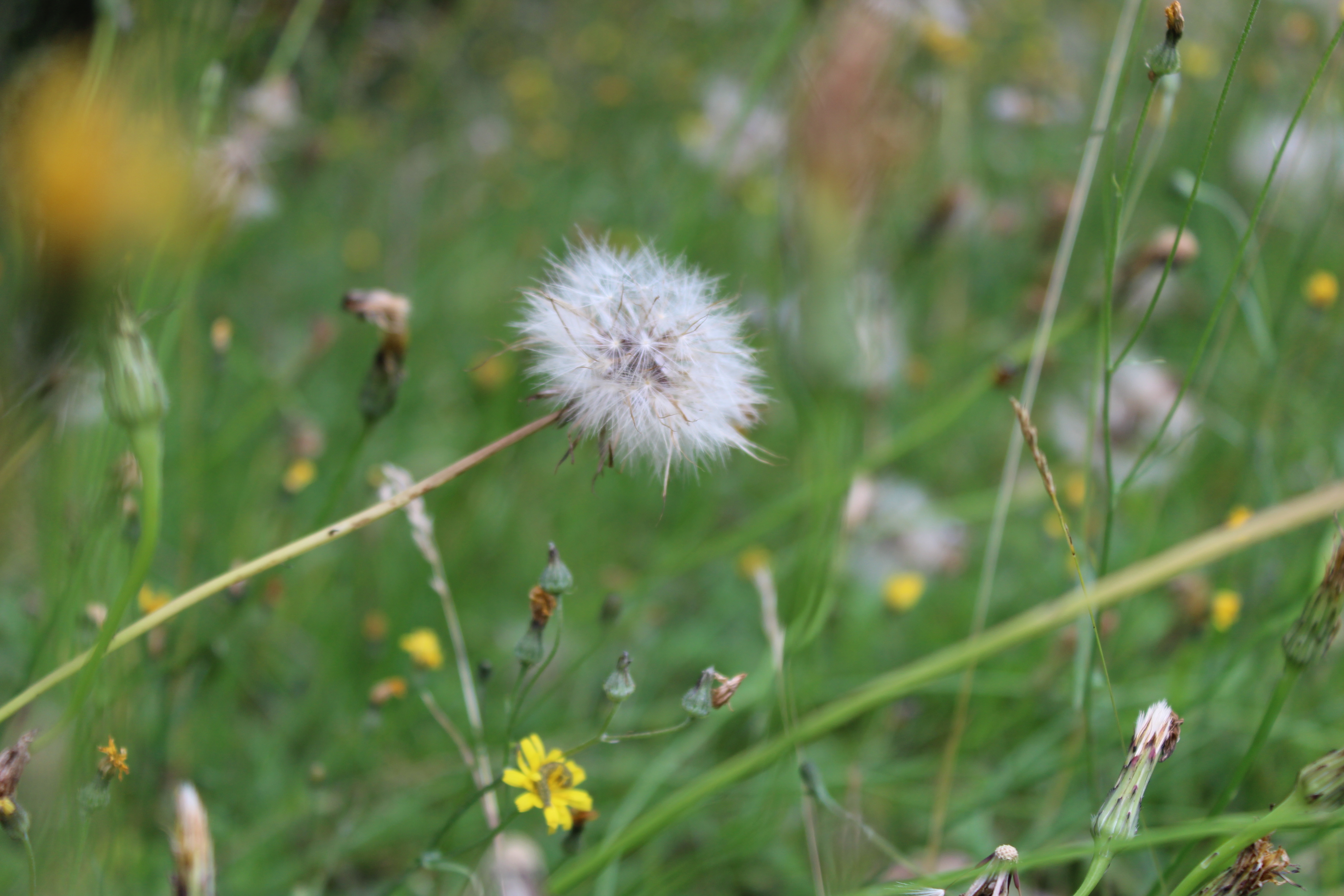
We’ve been leaving more of the lawn long this year, especially at the end pictured, where the grass has been unsuccessful, and other plants want to grow.  It’s been so good to see butterflies and bees above the flowers, and, in close inspection, to see  so many small creeping things below.

We have various heights of hawkweed growing prolifically now, and I particularly love their seedheads – like dandelion clocks.

IMG_1903

There is something very special about these windborne seeds – their profligacy, abandon, opportunism – which I find good to think about right now.  When our movements and interactions are reduced as we seek to keep one another safe from the virus, I find it helps to think of these seeds blowing freely. You never know where they will go, and what their impact will be.  The task of the plant is to produce the seeds, and to release them to the wind.

It reminds me of the extravagance of the parable of the Sower, and of the many times Jesus talks of seeds falling to the ground.  These things help remind me to be less attached to outcome, to just do the task before me, and to trust the blowing of the wind.

IMG_1901

Meadow

I love the softness of this path
mown through the long grass,
the many yellow flowers.
How it curves to here, where
the old gate is bound by ivy,
where the silver birches,
planted as chance seedlings,
are growing tall and graceful
above wild strawberries.

I love the round seedheads,
the not-dandelion-clocks
of hawkweeds,
that dip their opaque globes
in the breeze,
and the self-heal,
and the speedwell,
beneath.

The seeds shake in the breeze,
and blow free.
The lightest fragments of life.
Who knows where they will
blow to?
Who knows, the smallest of
things – a thought,
a hope, a prayer,
can be borne up
by many breezes,
and tumble and travel
through many airs,
and find a place to catch,
to break open, to root,
and to grow.

Poem: Butterfly Path

This next poem is another written following a walk by our river, the Deben, as we make our way down towards the sea.

You can read the first, Waldringfield Salt Marshes, Seal, by following the link.

This poem is about a diversion.  We could not pick up the walk where we left off, by the seal, on the other side of the water.  The footpath was closed, there were diggers and warning signs as the flood defences were being shored up.  We took another route, and were rewarded by butterflies.  I am seeking to learn the names of the many wondrous plants and animals I see, to name them and honour their names.

Some of you may have come across the beautiful book, The Lost Words, written and painted in response to the Oxford English Dictionary’s decision to lose nature words from its children’s edition.  It’s a beautiful, elegaic work – incantations of the names that are nearly, but not quite, lost.  Musicians too have responded, and I have been listening to The Lost Words Blessing, as I seek to do the work of honouring the natural world, and learning its names. It’s a fine piece of music, from Folk by the Oak. I find the lyrics very moving, and resonant.  They express what I hope to do in many of these poems, so coming across the piece was like finding someone who shares a way of seeing the world. Each verse begins with a variation on this refrain:

“Enter the wild with care, my love
And speak the things you see
Let new names take and root and thrive and grow”

it ends..

“Even as the hour grows bleaker, be the singer and the speaker
And in city and in forest, let the larks become your chorus
And when every hope is gone, let the raven call you home”

You can read them all under the video, reached through the link above.

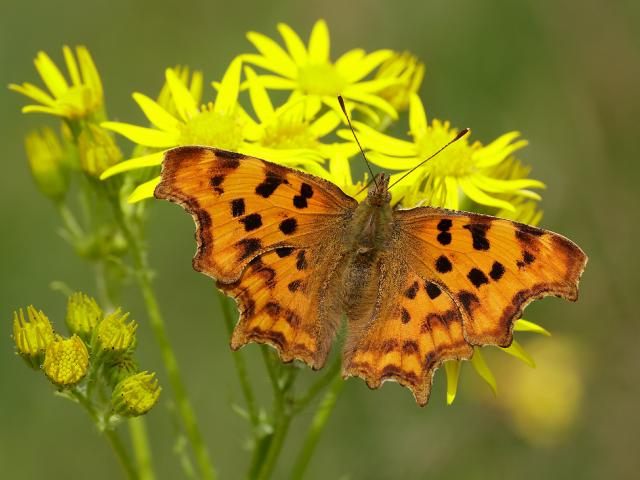
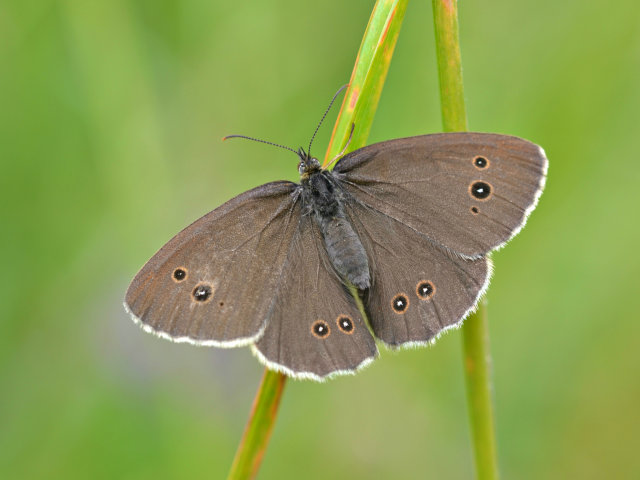
I didn’t take any pictures of the butterflies, unfortunately, but here are some from the Butterfly Conservation website.

7705686416-comma-polygonia-c-album

Comma

35649599806_95802fa593_oringlet

Ringlet


Butterfly path

Evening.  High summer.
To our right the open grass
ripples in the breeze.
And a kestrel hovers,
tail splayed, intent on
what is beneath

the surface of this
silvergreen
watery rippling,
while we walk
down the path
by its side.

Less a path, more a strip of
wildness, of wood and scrub.
Rich with nettles and pink
flowered brambles
and tumbles of flowers
under the shade of thorns
and oaks and hornbeams,
and before us, and around us
on our bright sandy path,
are butterflies.

Ringlet and meadow brown,
the showier admirals,
tortoiseshells and commas,
gatekeeper, small copper –
I am learning these names,

saying these names
for a beauty
I hardly ever see.
Years ago, they say,
butterflies rose in clouds
about you as you walked.

We did not intend to take this path.
Our planned way,
by the river,
was closed.
And so, I receive this shimmer
of beauty as a gift,
in a harmony
of grassland and field edge,
and scrub and wood –
We walk amongst plenty,
amongst what could yet be,
again, cradled in lightness,
and sadness for
what we have lost.
We walk quietly among
many wings,
eyes open,
wide open.

Poem: Midsummer evening

I have been trying to share with you poems soon after they appear in my notebook, keeping a kind of record of the times.  Going back a few pages, I came across some jottings I’d overlooked while working up some other pieces. So, although we are a little past midsummer, the world still has that midsummer feel, of short nights, and abundant life, and I thought I’d share it with you now.

There are a few East Anglian dialect words for some of the large flying insects we have at this time of year in the poem, I do love those words.

I don’t have garden evening photos for you, but here are a few from the footpaths nearby, taken by my husband, Peter Skevington, which are full of the beauty of a summer evening.

WP_20200614_20_48_04_Pro

WP_20200614_20_52_13_Pro


Midsummer evening

Ten o’clock, there is
a glow of light in the sky.
The honeysuckle is sweet,
and the lawn, a pale round
glade in the darkness.

Around that glade, bats
fly, rapid, light, and silent –
at least to me,
around and around,
threading back, and forth,
through the feast of gnats.

Against the deep turquoise
of the low sky, smaller
dark shapes drone
heavily, slowly, on,
rising improbably
over the old barn.

Billywitches,
cockerchafes,
precarious stag beetles,
wings unfurled,
weighted.

Night is short,
and full of life.
Night turns slowly
on this pale circle,
Earth turns slowly,
too, a moment
of almost stillness,
before it begins again,
when the deer comes,
and the night birds
start their callings,
as I turn my back,
turn away to sleep.

Hush, hush now,
these are creatures
not of the human world.
Creatures of their own
quiet, and their own time.
I leave them the gathering night.

Poem: Waldringfield salt marshes – seal

WP_20200621_20_34_58_Pro

These beautiful photos are by Pete Skevington, with thanks.

We haven’t been far from home, since Lockdown started.  It’s been astonishing how that restraint has made us more inventive, seeking out places we haven’t been to, or haven’t been to for years.

We have a very loose walking project of seeing how far along our local river, the Deben, we can go. How much of it is walkable, and accessible by footpath. The river is an estury downstream from us, an unstable and changing and hazardous landscape.  At times, the public right of way marked on the map crosses open water.

We hadn’t attempted to walk this particular route for a very long time ideed.  My memory of it, my first experience of this kind of landscape, was nearly losing my boot in sinking, sucking mud, and being unable to pull myself free.  Now, being more accustomed to the great outdoors, we tried again, knowing the route would be completely different.  How far could we get?

Having got as far as we could, we paused where the marsh-creek joined the river, surrounded by mud and flowing water.  I ate some of the salty samphire that was growing there.  And then, we saw the head of a large seal in the creek, very close by.  The whole experience of being out on those marshes was full of awe, transcendent and earthy at the same time – a deep, lively peace, a beauty and a rightness.  Being met by a seal at the furthest reach of our footsteps was such a gift.

I’ve tried to catch some of that in the words of this poem.  I hope you enjoy an excursion over saltmarsh.

WP_20200628_20_01_23_Pro

WP_20200628_19_44_42_Pro

Waldringfield saltmarshes – seal

This thin strip of solid ground
turns away from the shore,
snaking through saltmash –
sea lavender, sea purslane,
samphire glowing
in the fading light,
the saltsmell of algae –
until we are far from
ploughed earth,
far out on this wide,
flat, dizzying
land-water-scape.

Pools of infinite grey mud,
the hiss of water receding,
we walk just as the tide
turns to ebb,
this winding path our
thin line of safety,
draped with a strand-
crust of drying weed,
studded with hundreds
of tiny white crab-shells,
oysters, mussels.
How fragile I feel myself
to be.  How quick to be lost.

After many turns further,
and further out,
we come to the place
the path stops.
On the other bank,
we can see the woods
where great white egrets nest.
At my feet, the red of a
spent cartridge hurts
my eyes
as I hear oystercatchers,
and sweet skylarks,
and water,
and wind scuffing the water.

There, at the end,
the limit of where we could go,
we saw, in the water,
the seal –
a low flat head,
intelligent eyes,
sleek and fat,
as grey and rounded
as the mudbanks –
swimming.
We crouched, concealing
our profiles from the
luminous sky,
we held our breath,
and watched its dive,
and breath, dive,
and breath.

And as it swam upstream,
we turned to go back,
retracing our steps exactly,
watching its joy,
its contentment,
as we grew closer to solid
ground, the smell of ripe
barley after rain,
and mallows,
and sweet chamomile
carried on the breeze,
welcoming us.
But the taste of the saltmash
sustained us,
sustains us,
the peace of the seal
stayed with us,
stays with us.
And the cry of the curlew
remains.

Here is a recording of the poem for you.

WP_20200628_20_04_59_Pro

WP_20200628_20_38_59_Pro

WP_20200628_20_41_32_Pro (2)

Poem: Holy Ground, barefoot. Exodus poems 3

img_0356

Cockle spit near the Chapel of St Peter-on-the-Wall, Essex

We come to the third poem I’ve written drawing on the early chapters of Exodus, the Bible’s second book.

I was drawn to write from this foundational story as it begins at a mighty civilisation’s turning point – a time of divided peoples, of injustice, inequality, and exploitation.  The world we are in right now seems to be at a turning poin, where things cannot go on as they are.  I’ve been seeing echoes, and warnings, and hope, in this story from long ago.

For this poem, I have continued the theme of God saw, and God knew from the previous poem which you can read here.  I have progressed the story to when Moses stood before the burning bush, and took off his sandals, for the ground is holy.

You can read more from the Exodus text here.

Some things struck me in addition to the themes I’ve explored before.  The first is, the matter of holy places and temples.  For those of us who have a practice of corporate worship, most gather in a set-aside space.  Not all – there are many gatherings in homes and coffee shops and dance studios and woods where people, together, are open to the divine.  Now, we cannot gather, and our relationship with these places is changed, as well as our relationship with our worshiping communities.  Although I know, as the poem explores, that God has no need of temples, I find that maybe I do.  I include two photos here from the ancient chapel of St Peter-on-the-wall, founded in the seventh century.  And the wall of its name, the wall it is on, is Roman, so its history is very long. There is real peace in that space.  I find my spirit soothed by such places.  And I am also finding, as the poems on this blog show, that I connect deeply with the divine in nature, too.  I am increasingly barefoot, on holy ground.  This seems a very deep and helpful truth, especially now.  It gives me hope.

A little tentatively, I have been thinking about gods and idols as I’ve been reading Exodus, and wondering what our equivalents might be. As I’ve been mulling over our economy, the systems that drive our lives that seem bigger and more powerful than any of us, I have reached for the ancient language of idol.  I have found the word Mammon comes to mind, and it says something significant for our times.  I’ve mentioned it briefly before, in my blog post on The company of bees. As a modern person, I’m aware I’m dipping my toes into something that may stir up ideas of superstition, and that I don’t really understand what these concepts of idol and god meant to those whose culture they belong to.  But I do know that now, as ever, there are forces bigger than us, which we don’t seem to control, in our daily lives.  We call them economics, or big corporations, or debt, or……. The ancient stories suggest they have feet of clay, and can fall.  They are human constructs, agreements and stories we hold in common about how the world works and what matters, they may feel immutable …. but they are not laws of physics, and we can, through collective effort, change them.

I wonder what that might look like in our current world, where these systems, or machines, or idols, seem to be demanding the sacrifice of life to their ends.  We can see this in some places with the response to coronavirus.  We can definitely see it in how we contine to destroy ecosystems and drive creatures to extinction.  Are these things really more important than life? Can we decide to do better?

Here, in this poem, I look at how the enslaved Hebrew people were forced to build temples to gods who didn’t hear them, or help them.  I wonder how many people, in today’s economies, might feel they are doing something similar, as they are made to serve the demands for more, and faster, and cheaper.

This poem, though, only touches on these things.  It turns to something more hopeful, a promise of the deep reality of the glory of God in all things,  and carries echoes Isaiah 11, and our deep hope – of the dream of God, of the kingdom we pray will come. It circles back to the beginning, to considering a holy place, where we are safe, and heard. Even when there are no places of worship available to us, these things are true.

We can be grounded in the earth, in the depth of our connection to God, and to all. God is not confined by our structures. God is encountered where we take off our shoes, and see.

img_0367

Inside the chapel (660-662 AD), looking out.

Holy Ground, barefoot.   Exodus poems 3

This people had no temple,
no worship-place.
This people built temples
for others,
for gods they dreaded,
rising in terrible power
over them, having
no regard for
their misery.

They prayed under
the weight of their burdens.
They cried out in
the unprayer of pain,
and God, having no need
of temples, heard,
as God always hears.
And God, leaning to the
brokenhearted, saw,
as God always sees.

For the very earth is holy.
The ground under our feet.
Take off your shoes and feel it,
feel the dry-ground-powder
and the sharp stones,
the infinite tiny beings
that call the earth home.
Take off your shoes.
Know you are part of
all this, part of the
the glory that fills
all things, as the waters
fill the seas.
You will be heard,
wherever you are.
You can listen,
wherever you are.
You are home.

Poem: God saw – and God knew. Exodus poems 2

img_0212

River Deben

This is the second poem I’ve written on these themes, drawing from the Exodus account of the life of Moses.  It carries with it many of the things that struck me as I was writing the first, Pharaoh’s daughter, and the child.  I have been thinking about how one group of people can be pitted against another, in fear, in believed superiority, and how, in this story, small acts of love and compassion begin the unravelling of this separation, and injustice. In particular, I have been turning over in my mind the idea that the unjust law of the Egyptians – all the Hebrew baby boys should be thrown into the River Nile – is so evil that it carries within it the necessity and means of its own overturn.  That this ark of rushes holding the baby Moses is one of the seemingly small means that begin the overthrow of an unjust system is fitting.

Once again, there are echos of the Gospel stories that tell of the beginning of Jesus’ life.  Tbe improbability, the vulnerability of a baby, cradled in less than ideal circumstances – a basket in a river, a manger in a stable – being so vital to the outworking of God’s love, challenges us in to how we think change for good might be accomplished.  Here, the urgency and reckless hope of a mother’s love, meets the compassion of a princess, and undermines an economic and political system which was cruel, and seemingly all-powerful. May we remember this, as we work for a more beautiful world.

My last post retells the story, and gives you links to the Bible passages.

But for this poem, what struck me was a few small verses at the end of Chapter 2.

During those many days the king of Egypt died, and the people of Israel groaned because of their slavery and cried out for help…. God saw the people of Israel – and God knew.

Once again, this story of emnity between groups of people, of inequality and injustice, carries warning and hope for our current situation.

What happens to any of us happens to all of us.
What might shift if we thought that was so?

wp_20161113_16_45_08_pro

Moon over the marshes at Walberswick.


God saw – and God knew   Exodus poems 2
During these many days,
the king of Egypt died –
that man who thought
himself a god, having
a god’s power of life
and death –
and God saw, and God knew.

Those living between walls
of cool marble,
dressed in linen,
making offerings to the gods,
those who floated down the Nile
while others laboured –
They thought, being rich,
being mighty, they had
the ear of God.
And God saw, and God knew.

During these many days,
those oppressed cried out –
those forced to labour,
those whose race was
feared, then despised.
They cried out,
and did they dare hope
that God saw, and God knew?

God saw and listened long.
Endlessly.  Through
many days, through
incessant lamenting,
God saw, and God knew.

So, I stand and ask, why?
why so long, those many days?
And will not soothe
myself with “perfect timing”,
or “plan”.  Under the
slavemasters’ whip,
such words sting.
And yet, God saw,
and God knew.

I lower my gaze.
Caught in the reeds,
there is a dark basket,
black as pitch,
that desperate hopeless hope,
that boychild cast by his mother
into the Nile, a loving reversal
of a cruel law –

and within that law’s dark heart –
an ark of reeds and pitch
woven tight of love –
with fists curled,
was one who would
overturn that cruelty.
A tiny child.
crying, hungry,
and alone.
And God saw,
and God knew.

Poem: Pharaoh’s daughter, and the child. Exodus poems 1

img_0212

The banks of the Deben, high tide

As I was coming to the end of writing the Lockdown Poems, a couple of things were tugging at my attention.  One was the thought of doing a series of poems on the I Am sayings, revisiting some of the prose and prayer from my book.  The other was the huge sweep of the cry for justice that is circling the world – the cry for racial, environmental, and economic justice.  One of the things the coronavirus crisis has done has been, as we’ve said before, to reveal painful things – to draw back the veil and show aspects of society that many of us have been fortunate enough to be able to overlook.

As I was looking at the origins of the I Am sayings – Moses’ experience with the burning bush – I was deeply struck by the relevance of the Exodus story  to our current world situation.  I would encourage you to read Exodus Chapters 1-3 to start with, if you can, and see what strikes you.  Many things opened up for me, and I intend to explore them imaginatively and prayerfully, inhabiting the story, and asking for wisdom. I hope I’ll return to the I Ams again, but for now, these matters seem too pressing to ignore.

We can see how the story of Exodus progresses.  It begins with forgetfulness.  Forgetfulness of the way Joseph, ex-slave, ex-prisoner, had saved the country from famine with his vision and good management, forgetfulness of how we are all interconnected, and bring gifts to our situation.  The Egyptians forgot, and were afraid.  Their enslavement of the Hebrew people is told as an act of weakness, not strength.  How that fear led to justifying the terrible law for the slaughter of baby boys – a story echoed in the Gospel here, where the baby boys of Bethlehem were killed, and Jesus’ family escaped to Egypt.  At the time of Exodus this was the known world’s richest and most powerful empire, and the process of unravelling that power and wealth seems to be begun within that unjust law. So contrary to all that is good and right in human relations was it, that it carried the seeds of its own undoing. And maybe that sheltering of the infant Jesus was, knowingly or unknowingly done, a kind of restitution.

In this story of Exodus, I’m powerfully struck how the action of one young woman changed nations. Her compassion was the point of turning. That is not to say that we measure our small acts of kindness by their global impact, or only do them if we feel there will be some kind of payback, but that this story reveals the hidden power of compassion, and can offer encouragement to us to not think better of our moments of better feeling, but to act on them – to reach out and help, offer what we can.  What those feelings and acts accomplish is, in many ways, not our business. We can offer them, release them, and what happens happens.  If we praying people, we can simply offer them to God, with no thought of future benefipayback. They can cease to be our own. Of course, we can try to be mindful of unintened negative consequences, but we seek to act from love and goodness independent of outcome for ourselves. For Pharoah’s daughter, if she survived to the time of the plagues and freedom for the slaves, this mercy to Moses may not have seemed such a good act after all.

The other thing which struck me forcibly was the fact that she acted from a place of safety, and privilege.   She did something that would have brought swift punishment if someone else had done it.  She seems to have used her safety almost without thought of the consequences, to help this one child.  We don’t know any surrounding information – what her attitude to her father’s law was before, or after.  All we know is this one thing about her. This one act.  Maybe it can encourage us to listen to one another, in different circumstances, to speak of our difficulties when we experience them, and to speak and act for others when they cannot do so for themselves.
And here is another thing our current crisis has revealed – deep wells of compassion and community, the capacity of people to act to help and support people they know, and don’t know.  The veil drawn back has shown us good, too. There is hope in this deeper reality.

The ending of this poem carries an echo of William Blake’s The Divine Image, which is incredibly apt for our current situation. It was published in 1789, and carries its message of equality in language of the time.  It’s a powerful read.

Songs_of_Innocence_copy_G_object_12_The_Divine_Image

There are major shifts happening in the world right now, and I am attempting to listen, to keep my mind open, to pray, and to understand, and to act.

AA037808

Taken from Exodus Chapter 2

Pharaoh’s Daughter, and the child.  Exodus poems 1

You named him Moses,
drew him out of
that small ark,
a precious cargo.
Out of the Nile-reeds,
where crocodiles wait,
out of the flood and the snakes
and the hum of mosquitoes,
out of the sentence of death
your father had passed.
In that moment, your heart responded,
the moment when you heard him cry
hungry, closed in the dark
and the silence
of his pitch-black basket,
in a moment, you reached out your hand,
and touched – not a slave-child,
but simply a hungry one, alone.

From your place, at your father’s side,
standing in his love for you,
you saved one small life
from his fearful stony heart’s rage,
from the might of law and empire.

Marvellous princess, you did more.
You paid a slavewoman wages,
you acted with justice and mercy,
you saw a child, and not an enemy.

And so you are remembered,
you are thanked by generations
yet unborn
For an act of kinship with one
from a feared race,
as golden Nile-waters
swirled and eddied and
rippled outwards, outwards
from the place where you stood,
shining in the light of dawn.
Mercy bore, in you,
the beauty of a human face.