Redshanks

IMG_0157.JPG

img_0212


redshank-11-clive-timmons_lge

Photo – Clive Timmons


When I walk, I often take a notebook, and sit and watch.  Watch isn’t quite the right word – it is more of an opening yourself up, a forgetting yourself and becoming lost in what you see before you.

This poem records a moment of change, when, with a rising wind, the birds began to fly.
I wondered what it was that moved them.  Whatever it was, it moved me, too.  I got up, and walked on.


Redshanks

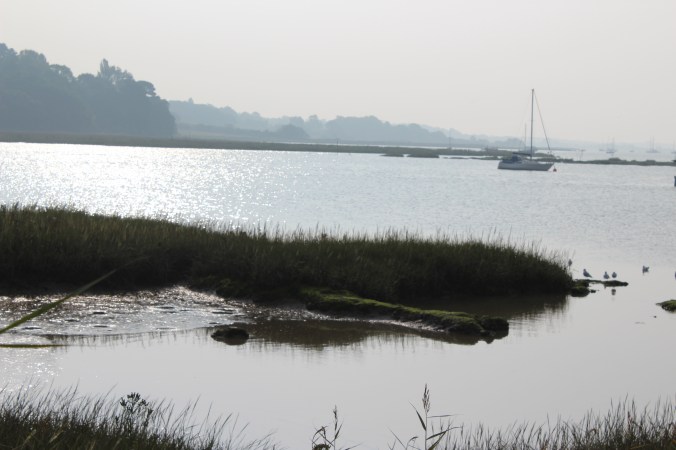
Light on grey mud, grey water,
clouds high and thin.
By the edge of the river
redshanks probe thick
cold with their long beaks.

The wind breathes
over the flowing tide,
ice breath that mists
the watersheen.
And the birds begin to lift,
first the northernmost, then
up like a piece of loose lace,
flashing dark and light from
opening wings.

They circle and cry, raising
long mudsplattered legs,
wingtips close now, wheeling
the air into many breezes.

And what moved them, and what
tied them?  That pull, the breath
of wind over the water. That nudge,
seeing open wings all about them.

That longing  to fly
 

October 21st

IMG_0615.JPG

IMG_0617.JPG


IMG_0618.JPG


img_0620

img_0623

This poem is a product of my not-quite daily practice – of simply writing to fill up the page.  It is a discipline learned from Julia Cameron’s invaluable The Artists Way, where she advises Morning Pages – filling up three A4 pages every day.  You are not attempting to “write” or do anything creative, you are just getting to the end of the pages.  In the process, all sorts of interesting things will happen, but that is not your concern.  You are learning to silence your inner editor, getting it to turn the other way while you are in the first tentative stages of creating.

Once you have got used to simply writing, and not reading or thinking about what we have written, after a few weeks of filling up pages, you can begin to go back and look at what you have written.  Sometimes, amidst all sorts of moaning and lists and thinking on the page, you find you have the beginnings of something.  Sometimes, it is like mining ore.  Once your inner critic learns to leave you alone, you find all sorts of things emerge, like this.

One of the things I often find myself doing is describing what I see around me.  This is what I did.  To honour the process, I have called the poem by the date, rather than giving it a subject.  It is a record of this moment, this sitting in the garden wrapped against the growing cold, writing.


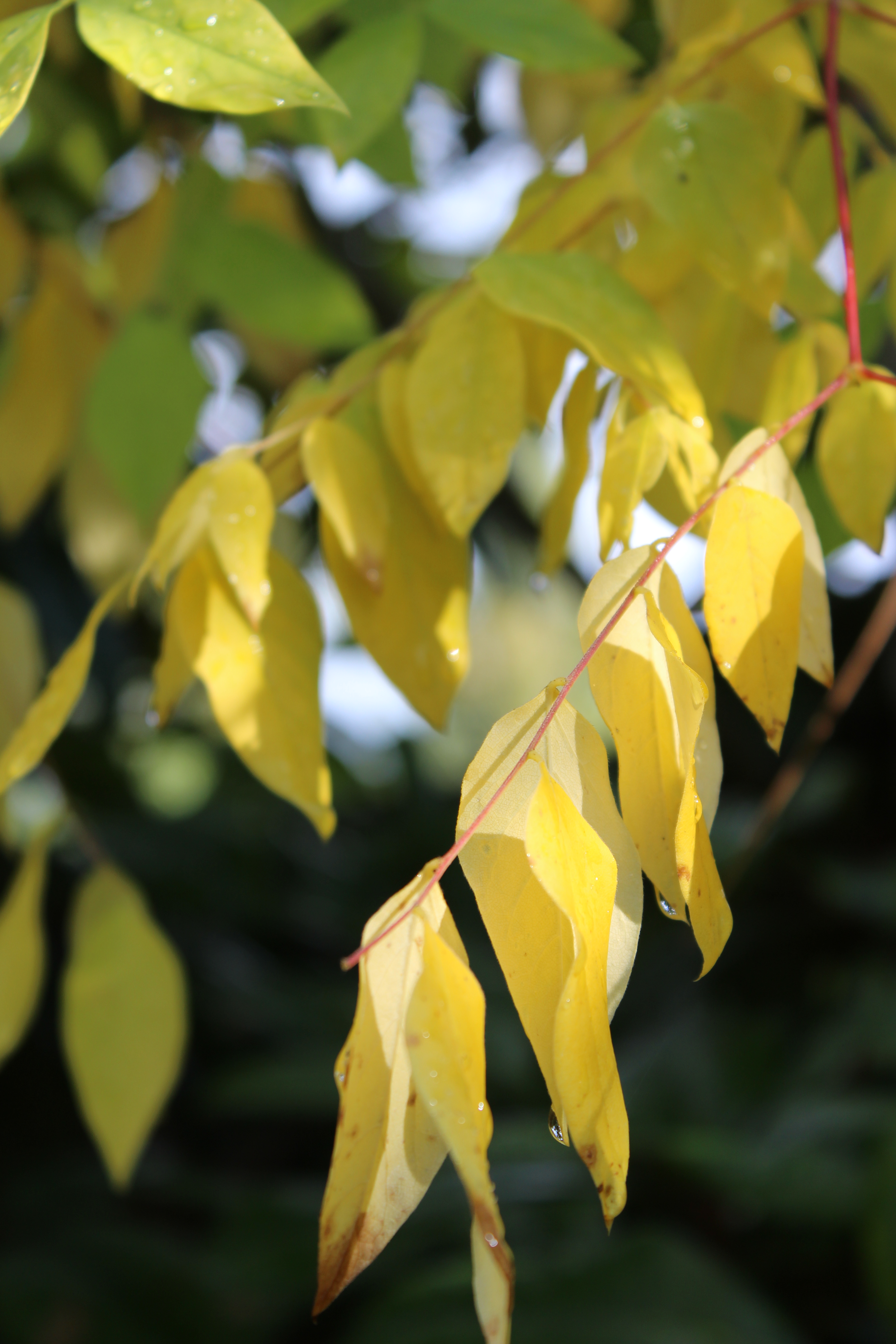
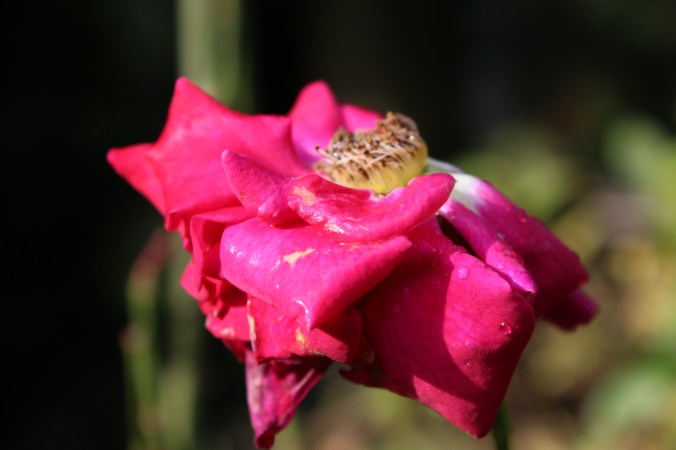
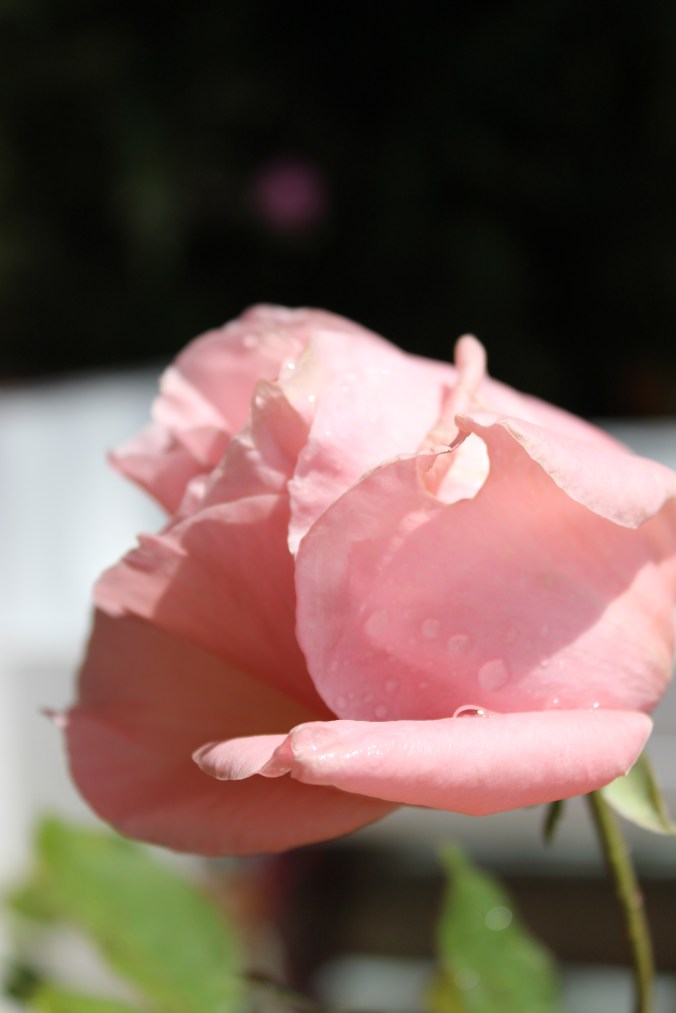
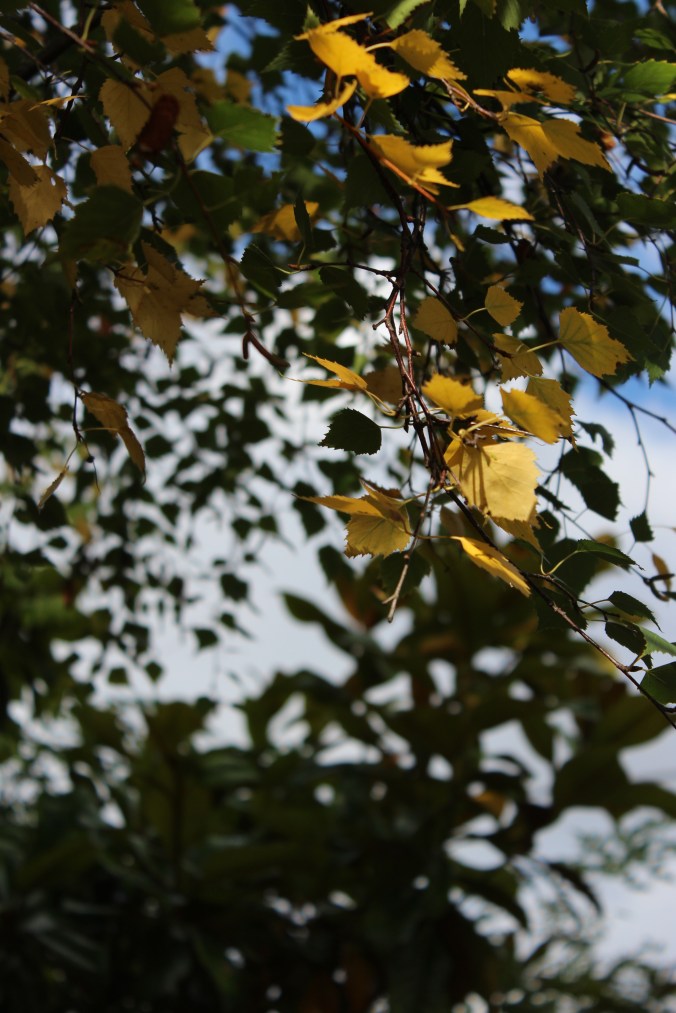
October 21st

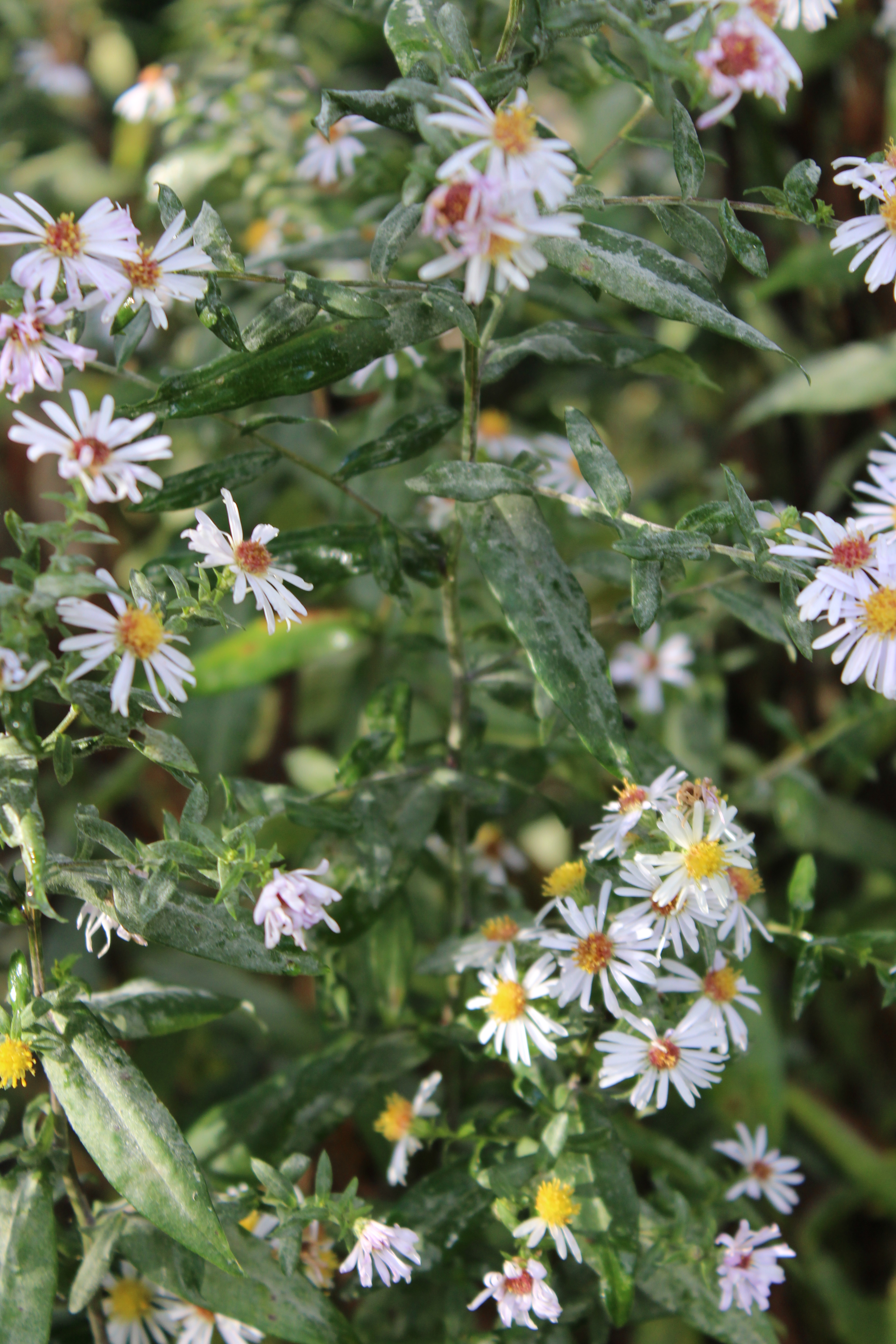
How lovely the light is, low and golden,
falling in sheets through low, golden trees.

And the birds sing now, this morning,
in a song sharpened by last night’s frost,
the first – cold, clean, white.

The red roses are scentless with ice,
petals rolled to elegant, sugared points.
And above them the tall, brown seedheads
rattle gently in a gentle breeze.

I will cut them back, but not yet.

They hold this moment, now,
in their full, dry cups, swaying
between summer’s fallen petals,
and spring’s sharp green.
And coiled inside their
tiny black seeds are
flowers without number,
scattering in the icy breeze.

Not only but also

img_0066

IMG_0105.JPG

IMG_0112.JPG

This poem emerged from another solitary walk.  My feet beat against a hard path, and as I walked somewhere quiet, and beautiful, these words – and this pattern of words – began to emerge.
I had been thinking about the ways we sometimes speak of God, the things we tend to see God in, the images and symbols we use, and the things we tend to overlook.  I had been wondering why we pick the things we do, and what might happen if we looked at other, less promising subjects, and wondered if they too could tell us something about God.  What would we see if we looked differently?
It was a kind of walking contemplative practice,  one that I find fruitful.
By the time I got home the words were beating their own footsteps in my head, and I picked up some scrap paper, and wrote this:

NOT ONLY

Not only in these things
is the Glory of God to be found.

Not only these, but also
in the curved world bending itself
to a newly opened eye,
and the longing that clouds its closing.

Not only in the high and echoing hills
where rocks raise themselves
beneath the shutterfast
night and day of heaven,
but also in the long grey
half-light when dawn will not break.

Not only in the hands of the potter,
but in the cracked rim of a dropped bowl,
and in the one who could not hold it.

Not only in the mystery of words
and the fullness of music and
the pull of a brush through paint,
but in the fragments of self
we leave and find daily –
folded among shirts, and papers,
and hands on a still lap.
Not only in the bright beauty of stars,
but also in the black strangeness of the
space between.

Not only in the white smoke of the waterfall,
but also in the dustsmell of first drops after drought.
Not only in the green fluidity of the forest
or light through a new leaf.
Not only light but shadow
not only sea but dry stones
not only abundance but desert.
Not only
but also.

 
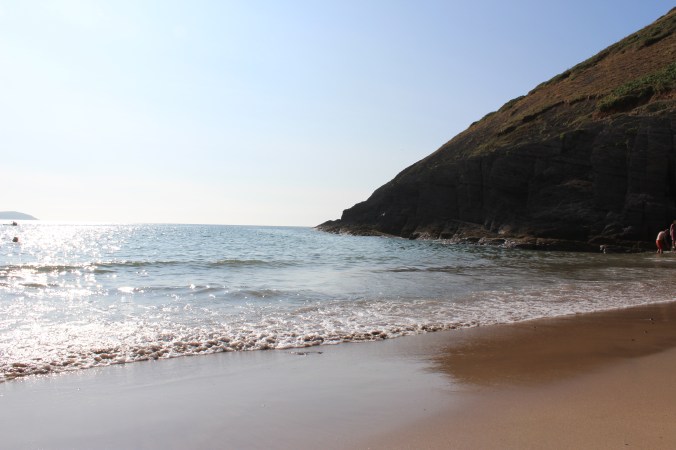
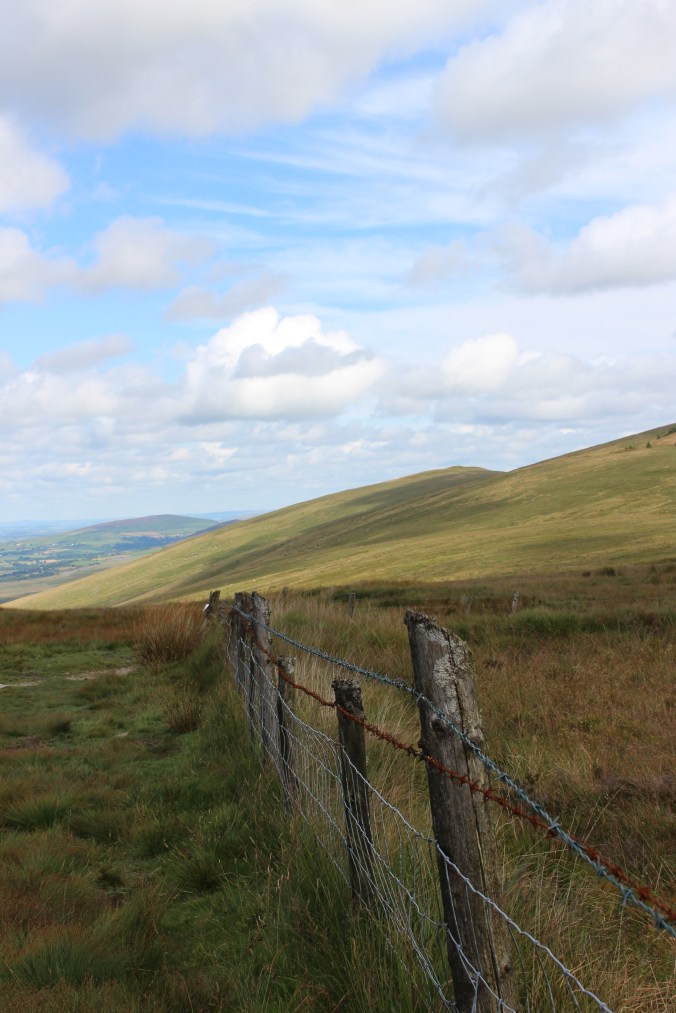
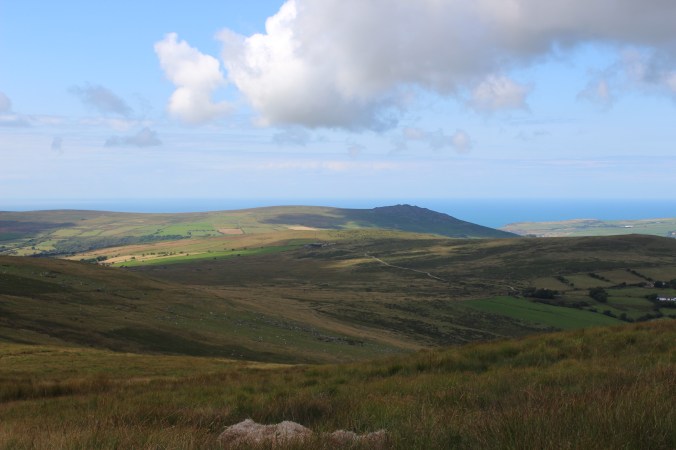
The photos above are of the Preseli Hills in West Wales, with a view of Carn Ingli – the Hill of the Angels – and also Mwnt beach, a departure point for ancient pilgrims to Ireland.

Now, as the days of darkness come

img_0212

As many days as I can, I walk by the River Deben near my home.  Sometimes I walk with someone, but often I walk alone.  Alone, the experience is different, opened up differently.  It  becomes a quiet form of prayer – one which begins with an openness, a question
– Hello, what is there that I need to notice today?
Alone becomes companionable, the openness becomes openness to one who is always there.
I look at the birds of the air, among other things, although, this day, it was more the birds of the water.
It seemed to me as I watched the cormorants that the growing darkness of the season was maybe something I needed to dive into, under the bright surface, that there was treasure even here, even here.

If you wish, you can listen  to the poem.


Now, as the days of darkness come

Now, as the days of darkness come,
I see the slick oily surface of the water,
low light skims it like bright stones,
as the geese arrive in broken, twisted skeins.

And there is the egret
in its startling whiteness,
probing the mud,
and a pair of cormorants,
dark as pitch,
forming their strange low circles.
Then, as I watch, they slip down beneath
the bright surface, into hidden water.
And I, too, I hold my breath,
while they are hidden, in wonder
at the unexpected airiness of their bodies,
sustaining them, in that cold water, for so long.

Honesty

honesty-seed-pods

Image from higgledeygarden.com

Where do ideas come from?

You may have decided you would like to write, or paint, or undertake any creative practice, but  white space stares back at you from the paper, or the canvas, or the screen, and your mind feels as blank as the page.

What helps me is to begin.  That means deciding to fill up a page – not trying to accomplish anything grand, or anything specific – showing up at the page and filling it.  Often I do this outside, and often I end up writing about the things I see around me.  Sometimes, as I do sisomething catches my attention.

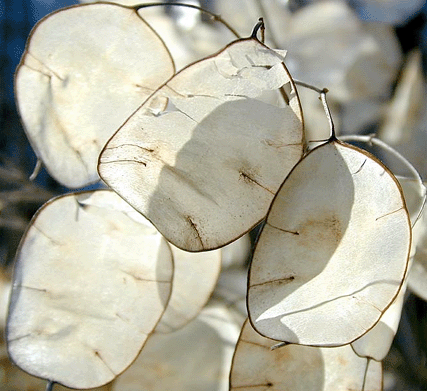
This time, it was the seed-heads of the honesty.


Honesty

The seedheads are drying.
They were purple green, fleshy,
lit up dancing by the summer sun,
and now they are thin, and dark,
like the cratered moon seen
through thick smoke,
or burnt paper with
smudged, forgotten words.

And now, as they dry,
the seedheads rattle and split,
shucked by the north wind,
shedding one half of themselves,
the darker half, those thin circles
rolling over the green lawn.

What is left is shining like
an open shell, glowing
in low light like
so many clear moons
caught in a white net.
Now, they are showing
their heart-colours,
pale and lovely at last.