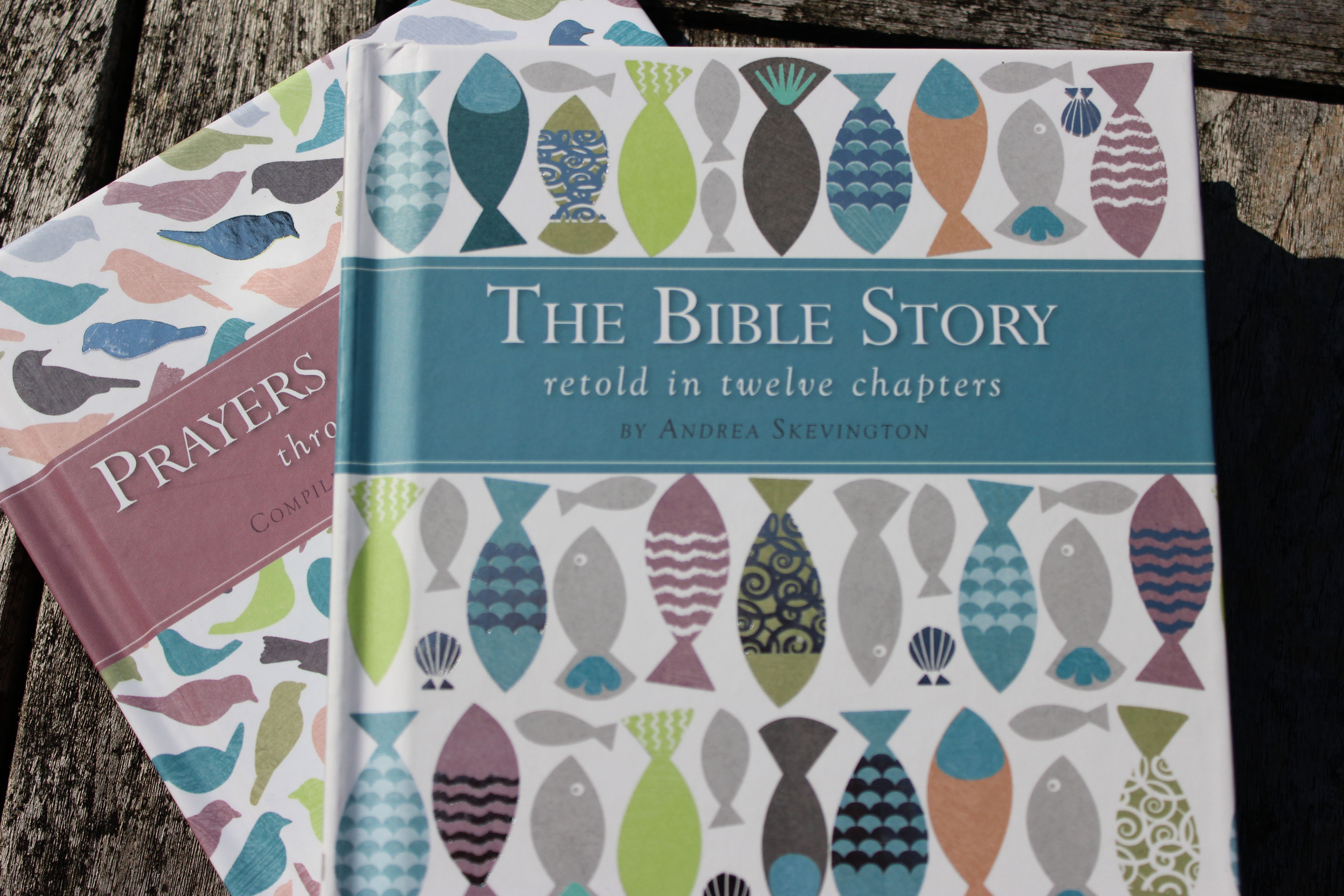
The Bible Story Retold – an idea for Christmas 2020

This post is a follow up from yesterday’s on ideas for using my children’s picture book, The Little Christmas Tree, this year for Advent and Christmas. You can read that post here.

I’ve also been contacted by another person who’d like to use my retelling of the Bible this Christmas. My old friend Rev Jenny Tebboth of Chalfont St Giles has had a lovely idea for involving families in an alternative crib service out of doors, which should be possible even if there are restrictions. Jenny has very generously given me permission to share the outline of her idea, in case it is of any help to another community trying to plan Christmas activities…. It’s well worth thinking about if you are puzzling over what to do for a crib service, or nativity of any sort.

It’s like a treasure trail…..

“Families will work through the story in six scenes round the village, read part of the story at each scene, pray and listen to a carol – ending behind the inn for hot chocolate.”

I’m so excited to think that my retelling will form the framework for such a lovely idea. The book is in twelve chapters, and Chapter 8 is mainly the birth and early life of Jesus, so there is a good flow of narrative for the six scenes. It’s a very exciting and innovative way to do a socially distanced Christmas adventure. Being out in the cold of winter will be a powerful way of entering into the Nativity story imaginatively, and offers something new and memorable to do to feel involved in Mary and Joseph’s search for shelter, and the birth of Jesus. It’s a beautiful idea, and I look forward to hearing more about it. I’ll post an update when I know more.

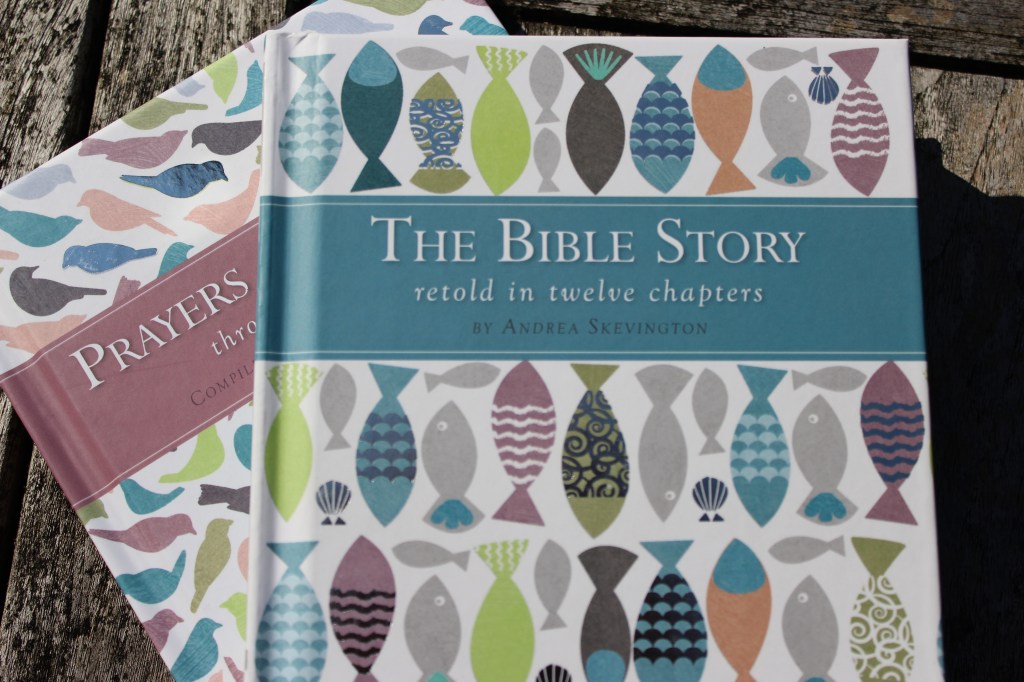
If you’d like to read more of my Christmas Retold, you can do so on a previous blog post, here. There, you’ll also find some prayers from my book, Prayers and Verses, and some beautiful pictures.

Here’s some of the story, though, to give you an idea:

At last they came to Bethlehem, but it was not the end of their troubles.  The city was noisy, bustling, and heaving with crowds, and Joseph searched anxiously for somewhere quiet for Mary to rest – her pains were beginning, and the baby would be born that night.  The inn was already full of travellers, and the only place for them was a stable.  There, among the animals, Mary gave birth to her firstborn son, and wrapped him up tightly in swaddling bands and laid him in a manger full of hay.  Then, she rested next to the manger, smiling at the baby’s tiny face.

There were shepherds who lived out on the hills nearby – the same hills where King David had once watched over the flocks, long ago.  The sheep were sleeping in their fold under the shining stars, while the shepherds kept watch.  Their fire flickered and crackled, and the lambs would bleat for their mothers, but they were the only sounds. All was peaceful.  All was well.

Suddenly, right there in the shepherd’s simple camp, appeared and angel of the Lord, shining with God’s glory and heaven’s brightness.  The shepherds gripped each other in terror, their skin prickling with fright.
“Don’t be afraid, I’m bringing you good news – it will bring joy to all people!”  The shepherds listened, awestruck, their faces glowing with the angel’s light.  “This is the day the good news begins, and this is the place.  In the town of David, a saviour has been born.  He is Christ, the Anointed One, the one you have been waiting for.  And this is the sign that these words are true: you will find a baby wrapped tightly in swaddling bands, lying in a manger.”

From The Bible Story Retold in Twelve Chapters


If you’d like a copy of The Bible Story Retold, you may well be able to order through your local bookshop even if it’s closed. Alternatively, there are the usual online places. I’m particularly excited about this new venture, though, and commend it to you….

Bookshop.org is a new enterprise which supports local bookshops while selling online. It’s applying for B corporation status in the UK, which means it operates to high ethical standards and makes a positive contribution to communities. You can read a newspaper article about it here.

If you follow this link, you’ll find my book The Bible Story Retold on sale there. It may be they don’t have many copies, so….

You can also find it on Eden bookshops, and all the other online shops.

Once again, it’s so good to hear and share these ideas. If you’d like to use any of my material, I’d love to hear from you. If you’d like, I can share what you plan to do on this blog nearer Christmas. You are very welcome to use my material whether you get in touch or not. Please do acknowledge where it’s from, and that will be good.

Retold: The first plague. The river’s lifeblood – Exodus stories.

I’m working on a poem based on the first of the ten plagues of Egypt, where the River Nile was turned to blood. It’s not easy, this whole business of plagues, as I’ve said before. It feels an ancient interpretation of events, and I’m seeking to be honest about the unease that interpretation stirs in me. At the same time, a series of catastrophies befalling a nation, even as great an empire as ancient Egypt, seems so current, so in line with our daily news broadcasts, that I’m sticking with it, and seeking to be open to the movement of the Spirit, to show us what wisdom, what help, there may be for us. One of my guiding principles when I find a passage difficult is to ponder – if all scripture is useful for teaching us goodness, then what use is this scripture? What goodness might be learned from it?

As I’ve been allowing my mind to inhabit the story, a number of things have come to mind, and won’t be shaken. The first is the symmetry of the story. The story most people remember about Moses – if they are familiar with the narrative at all – is how he was found by Pharaoh’s daughter in a basket concealed among the reeds in the Nile, found in the morning when she went to bathe. This new Pharaoh seems to keep to the same tradition, of visiting the river at dawn to bathe, accompanied by attendants. Moses therefore finds himself standing near the place where he was left by his mother, and found by the princess, waiting to challenge Pharaoh. The symmetry is so striking I’ll copy the retelling from my earlier post Retold : On the banks of the Nile.

On the Banks of the Nile.

Jochebed and her daughter Miriam slipped out just before dawn.  They walked silently, shapes blending into the darkness. At every sound they stopped, afraid the slave mastrs might hear them.  They crept down to the green banks of the Nile, the great river that was the lifeblood of all Egypt.  There, by the trembling papyrus, they stopped and set down their load.  It was a tightly woven basket, a tiny boat, contaiing Jochebed’s three-month-old baby son.  She lifted the lid and leaned down to kiss him, splashing him with her tears.
Miriam said, “I’ll stay nearby and try to keep him safe….”
Jocobed slid the little boat into the reeds, and ran back to her cramped mud-walled slave house.  “May God protect and keep him!” she prayed.
She knew Pharaoh wished her son dead, along with all the other Israelite baby boys.  For the Egyptians hated the Israelites now.  The Egyptians had forgotten how Joseph had saved them from starvation many generations ago.  In Egypt, the Israelites had grown in number and strength, and the Egyptians looked at them with fear in their eyes.  So they made them slaves, but they could not crush them.
In his anger Pharaoh summoned the two midwives who delivered the Israelite babies, and gave them a terrible order:
“When the babies are born, let the girls live, but kill the boys.” The midwives bowed as they left, but they would not do such a terrible thing!  The baby boys continued to live, and grow strong.
Then Pharaoh commaned everyone.  Throw all the baby boys into the Nile!”

Miriam stayed by the Nile, hidden among the reeds near her tiny brother’s basket, and waited.  Then she heard the sound of singing, and saw the princess, Pharaoh’s daughter, coming towards the river with her maids.  Miriam hardly dared to breathe.  Would the Egyptians find her brother?  The princess and her attendants were so close now.  Miriam watched the princess take off her jewels and glide into the water.  It shimmered like gold in the early morning light.  Then the princess stopped.  She had seen the basket in the reeds, and sent one of the slave girls to fetch it.
Peering inside, the princess saw the baby crying. Her heart melted.  “This is one of the Israelite babies!” she said.  Miriam seized her chance.  She scrambled out of the reeds, and bowed down before the princess.  Swallowing her fear, she spoke.
“Your Highness, shall I find one of the Israelite women to nurse this baby for you?”
“Why yes, go as quick as you can!” For the baby was crying very hungrily indeed.  Miriam ran back home to get her mother.
“Care for this child, and bring him back to me when he is weaned.  I’ll pay you for your trouble!” said the princess, gently placing the baby in Jochebed’s arms.
Jochebed’s heart nearly burst with joy.  She had her son back! So she sang him Hebrew songs, the songs of the Israelites, and told him of thier God, and his promises, while he was a young child.  She prayed for him, and cared for him tenderly until it was time to give him up to Pharaoh’s daughter.  The princess called him Moses, and adopted him as her own son.  He grew up as an Egyptian prince, educated by the best tutors and trained to rule.”
From The Bible Story Retold

Within this symmetry is also a terrible symmetry of justice. This is the subject of the poem I’m still working on, so I’ll say more when I share that with you. But I’m sure you’ll note, if you read the story above, that the river at this time was a place of death for the baby boys born to the Hebrew slaves. The river that was the life-blood of Egypt had become for them a place of death. On doing a bit of research, it seems that some ancient commentators suggest that this first plague was a punishment of the Egyptians for that terrible act, and that ties in with description of the plagues as judgement. My previous poem, The space in between, also holds this possibility.

Others see the plagues as a challenge to the Egyptian gods, and this one is a challenge to Hapi, often seen as a symbol of life and fertility brought by the river’s floods. As we’ve seen, the cruelty of the command to throw the babies into the Nile is in itself a serious undermining of that understanding of the river as a source of life and fertility, and perhaps an offence to those principles even under the Egyptian’s own belief system.

If there is some truth in these understandings, then this first plague might also be a foreshadowing, a forewarning of the last and most terrible – the death of the firstborn boys. We shall explore further.

For now, here is the fragment of story we are dealing with, taken, as they all are, from my book, The Bible Story Retold.

You can find the original Exodus account here.

Ten blows for Egypt

Moses and Aaron warned Pharaoh of the terrible things that would happen if he did not set the slaves free, but he would not listen. And so, it began.

First they spoke to Pharaoh by the Nile as he went down to bathe. Moses and Aaron stood by the banks of the river and said, “This is what our God says: you must free our people to go to the wilderness. If you won’t listen, the river will become blood red, undrinkable, stinking. Egypt will be thirsty.”

Pharaoh turned away and carried on toward the bathing place. Then Aaron raised his staff and brought it down on the water with a mighty splash. The water swirled, thickened, and reddened, like blood, and gave off a foul smell. Fish floated gasping to the surface and died. But Pharaoh’s magicians could change water too, so he simply went back to the palace, unimpressed. He would not let the people go.

From “The Bible Story Retold in Twelve Chapters”, published by Lion

The next thing I’ve been thinking about in the light of this passage, is our own waterways, and whether they bring life, or death. If this difficult passage is useful, and I believe it is, one of the things that it may be teaching us is that actions have consequences. We can live harmoniously with God, with each other, with creation, or not. And those choices have consequences.

Yesterday, it was revealed that not a single one of Britain’s rivers met water quality standards. This is terrible, a tragedy for all the life that depends on rivers. And all life does depend on water. As we reflect on the ancient story of the Nile, the lifeblood of the country, turning undrinkable, we can remember how important our own rivers are, and how the actions of people, and corporations, may make them instruments of harm, rather than good. If this passage is to train us in goodness, and perhaps rebuke us, this is one way we can permit it to do so.

We can seek to become aquainted with our own rivers, our own watershed, and seek to care for it – perhaps with a litter pick, or perhaps with simply our respect and affection. Maybe, as we explore, we may notice things that spoil – outlet pipes, plans for unsympathetic development – and then take action. We may notice things that help – conservation efforts, stands of trees, efforts to clean up rubbish – and wish to join in. We’ve been walking our river the Deben over the lockdown, and you can read a poem about that here. If we start with love, and respect, then our care may lead to different action.

Perhaps you can see why it’s taking me a while to write my poem about this first plague! There has been much for me to think about, to prayerfully mull over. I’ll share it when it’s ready, and I hope that’ll be soon. Thank you for joining me on this Exodus journey.

Retold: On the banks of the Nile

img_0211

River Deben in Suffolk

Having shared with you a poem earlier, Pharaoh’s daughter and the child, I thought I might give you the story to read too.  This is from my book, The Bible Story Retold, and draws on the Sunday Retold series on the blog.

The retelling is in twelve chapters, and, at the beginning of each chapter, I allowed myself a bit more freedom to imagine what it must have been like for those living out the story, and to give some interpretation and inference to engage us with the big themes of each chapter.

One of the really powerful things about this Exodus narrative is how it tells the story of slaves, which is obvious, but we can overlook its significance.  Our history is famously told by the victors, the conquerors, the empires.  This one gives us an insight into long-ago lives whose story was not otherwise told.  Now, we can more easily listen to those on the edges, on the underside of current history, but the Bible is revelatory for this ancient insight.  It is a powerful narrative, which leans towards the powerless and those on the fringes, and hears their voices.


On the Banks of the Nile.

Jochebed and her daughter Miriam slipped out just before dawn.  They walked silently, shapes blending into the darkness. At every sound they stopped, afraid the slave mastrs might hear them.  They crept down to the green banks of the Nile, the great river that was the lifeblood of all Egypt.  There, by the trembling papyrus, they stopped and set down their load.  It was a tightly woven basket, a tiny boat, contaiing Jochebed’s three-month-old baby son.  She lifted the lid and leaned down to kiss him, splashing him with her tears.
Miriam said, “I’ll stay nearby and try to keep him safe….”
Jocobed slid the little boat into the reeds, and ran back to her cramped mud-walled slave house.  “May God protect and keep him!” she prayed.
She knew Pharaoh wished her son dead, along with all the other Israelite baby boys.  For the Egyptians hated the Israelites now.  The Egyptians had forgotten how Joseph had saved them from starvation many generations ago.  In Egypt, the Israelites had grown in number and strength, and the Egyptians looked at them with fear in their eyes.  So they made them slaves, but they could not crush them.
In his anger Pharaoh summoned the two midwives who delivered the Israelite babies, and gave them a terrible order:
“When the babies are born, let the girls live, but kill the boys.” The midwives bowed as they left, but they would not do such a terrible thing!  The baby boys continued to live, and grow strong.
Then Pharaoh commaned everyone.  Throw all the baby boys into the Nile!”

Miriam stayed by the Nile, hidden among the reeds near her tiny brother’s basket, and waited.  Then she heard the sound of singing, and saw the princess, Pharaoh’s daughter, coming towards the river with her maids.  Miriam hardly dared to breathe.  Would the Egyptians find her brother?  The princess and her attendants were so close now.  Miriam watched the princess take off her jewels and glide into the water.  It shimmered like gold in the early morning light.  Then the princess stopped.  She had seen the basket in the reeds, and sent one of the slave girls to fetch it.
Peering inside, the princess saw the baby crying. Her heart melted.  “This is one of the Israelite babies!” she said.  Miriam seized her chance.  She scrambled out of the reeds, and bowed down before the princess.  Swallowing her fear, she spoke.
“Your Highness, shall I find one of the Israelite women to nurse this baby for you?”
“Why yes, go as quick as you can!” For the baby was crying very hungrily indeed.  Miriam ran back home to get her mother.
“Care for this child, and bring him back to me when he is weaned.  I’ll pay you for your trouble!” said the princess, gently placing the baby in Jochebed’s arms.
Jochebed’s heart nearly burst with joy.  She had her son back! So she sang him Hebrew songs, the songs of the Israelites, and told him of thier God, and his promises, while he was a young child.  She prayed for him, and cared for him tenderly until it was time to give him up to Pharaoh’s daughter.  The princess called him Moses, and adopted him as her own son.  He grew up as an Egyptian prince, educated by the best tutors and trained to rule.

And from Prayers and Verses

Hope is a thing with feathers
That perches in the soul
And sings the tune without the words
And never stops at all

Emily Dickinson (1830-86)

IMG_0609.JPG

Both books can be ordered using the links above, or another internet bookshop.  If you have a local bookshop, they can order them for you.

Retold: Mary visits Elizabeth

For those who have joined this blog following the Lockdown Poems, here’s a small taste of something else.  Another occasional series here is Sunday Retold, drawing on my retelling of the Bible.  This – although not on a Sunday – is part of that series.

The-Visitation-56a1094e3df78cafdaa84c7b

Pascale Deloche

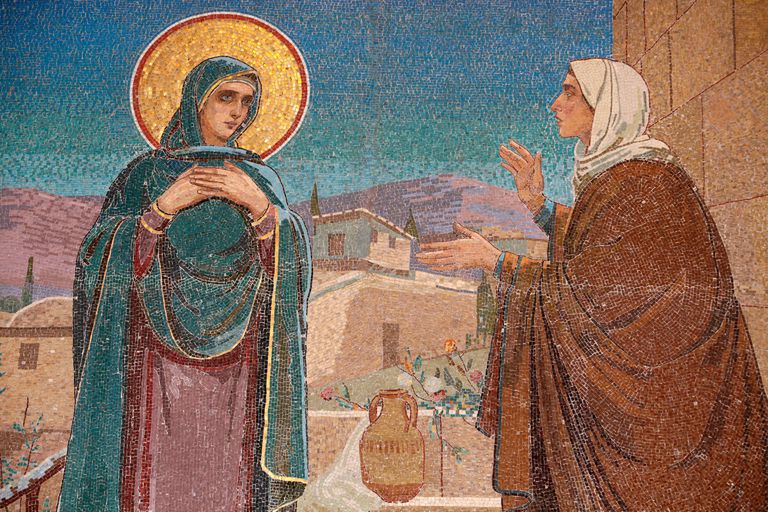
We often hear this story – of how, in the early part of her pregnancy, Mary visits her older, also unexpectedly pregnant relation – as part of the cycle of stories in the run up to Christmas. It is part of the preparation for the birth of Jesus.  But traditionally, now is the time it is remembered and celebrated, in keeping with the months.

It seems very appropriate that we should read of these two women supporting each other, and being moved by the power of the Spirit to speak, just at the time of Pentecost.  The Spirit is indeed being poured out on all, young and old, men and women.  These two are obscure, unimportant to those in power, on the edges of things, and we see, yet again, that is where God is at work.  Mary sees that too.  Her words are a real challenge, upending power, pride and privilege.  Regrettably, we need those words of challenge now just as much as we ever did.  Inequalities of race, gender and wealth are still a potent source of injustice.  Mary sees justice coming, though.  The Kingdom promised is one of justice, and hope.  We can work for that, as we pray for it in the Lord’s Prayer.

We pick up the story just as the angel Gabriel has told Mary what is to be, and how Elizabeth, from her own family, is with child despite her age….

Then Mary thought of Elizabeth. “The angel knew all about her – I must go to her.”  She got ready, and set off quickly for Elizabeth’s home in Judea to the south, near Jerusalem.

As soon as she arrived at the house, she hurried to Elizabeth and took her hands.  At the sound of Mary’s voice, the baby leaped inside Elizabeth, and the Holy Spirit filled her.  She understood at once what had happened to Mary.
“You are blessed among all women, and blessed is your unborn child!” she said.  “Why have I been so honoured? Why should the mother of my Lord God come to visit me?” Elizabeh laughed, and put Mary’s hand on her belly. “You see how my child leaps for joy at the sound of your voice?”

At last, Mary could say all that was on her heart.

“I’m so full of joy my spirit is dancing
before God, my Lord, my Saviour.
God did not turn away from me
becase I am poor, and now
I will be called blessed by
all the generations yet to come.
God, the great, the holy,
has done so much for me.
God brings down the powerful,
but lifts up the weak.
The well fed are empty,
and the table of the hungry
is piled high with good things.

“God looks at us with kindness,
giving hope to the hopeless,
caring for those who trust him,
remembering his promises to our people.”

From The Bible Retold

You can read the story in context in the first chapter of Luke’s gospel.

Mary’s song, the Magnificat, makes a powerful basis for prayer. Going through each part, holding it before God, allowing it to search you and being open to the possibility of being moved to change and to act, is a worthwhile and humbling way to pray.

It is widely said and sung in Christian worship.  There are many versions you can find online.  This one is Arvo Part’s setting.

As we think of those two women supporting each other, it’s good for us to think of ways we can continue to be present for one another, and listen and share lives, even when separated at this time. It’s good, too, to remember the slow growth of a child, how much patience is needed, as we wait and work and pray for the coming of the Kingdom.

img_0609


Poem for Pentecost, and some readings

Sharing again some readings, prayers and a poem, for Pentecost.

I gave a variation of this reading for  St Edmundsbury’s service, Catching the Fire.  You can watch the whole thing here.

andreaskevington's avatarAndrea Skevington

candles_flame_in_the_wind-other

Wind and fire – two of the ways people have tried to describe the Spirit.

As we approach Pentecost Sunday, I am sharing with you some readings and a poem.  Please feel free to use them if they help you, saying where they are from.

Firstly, a reading from my book The Bible Retold

From the fields it came: the first sheaf of barley cut for that year’s harvest.  It was carried high through streets crammed with visitors, and on to the Temple. And then the priest offered it to God, giving thanks for the good land, and for the gift of harvest. For that day was the celebration of the first fruits.  It was Pentecost.

Meanwhile, the disciples were all together, waiting.  Then, suddenly, it began.  It stared with sound – a sound like the wind – but this was no gentle harvest breeze.  This was a shaking and…

View original post 588 more words

Sunday Retold: The road to Emmaus

I thought I’d share with you a reading from my book, The Bible Story Retold, and something from Prayers and Verses, as we continue thinking and praying through Easter this year.  As with all the Sunday Retold series, I hope it will be of help for all ages, wherever you find yourself.

the-road-to-emmaus-daniel-bonnell

The road to Emmaus by Daniel Bonnell

Things often emerge while walking.  Conversations can be deeper.  These two disciples, possibly husband and wife – Mary, wife of Clopas was at the foot of the cross – were leaving Jerusalem, their world fallen apart, talking over all that had happened.

Maybe, when we are out walking, we can be open to noticing the ways we need to talk through our fears and sadnesses, and then, be open to the possibility of a new perspective, a new vision, a new life.  It’s worth noticing how Jesus gave them time and space to tell them their story from their own perspective, and then, how he invited them into a new way of looking.

On the road

Two of Jesus’ followers left Jerusalem that day, walking to the village of Emmaus.  While they walked, they began to talk about all that had happened.  And as they shared their grief and bewilderment, Jesus joined them and walked with them. But they did not know who he was.
“What are you talking about?” he asked.

They stopped, and stood still on the white, dusty road. “Are you the only one from Jerusalem who doesn’t know what’s been going on?” said Cleopas.
“Tell me!” said Jesus.
“There was a prophet called Jesus of Nazareth, a true man of God. But the chief priests handed him over to be killed, and he was crucified.” Clopas paused. “We had hoped he was the one God had promised from long ago.  But then…. today, some of the women went to the tomb and came back saying it was empty, and that Jesus was alive!” For a moment, hope glimmered in Cleopas’s eyes, but then he shook his head.

“But don’t you see?” Jesus said.  “Haven’t you read the teachings of the prophets?  Don’t you know that these things had to happen?” And so he began to explain.  It was as if he were unrolling scroll after scroll along the road before them – all the Law, and all the teachings of the prophets – letting them see that the Messiah had to suffer and die and rise again.
“Stay with us, it’s getting dark!” the pair said as they came to Emmaus.  So Jesus stayed at their home.  Then, at the table, he took bread, and blessed it, and broke it to share with them.  In that breaking and sharing of bread, their eyes were suddenly opened and, with a gasp, they recognized it was Jesus who sat before them. But then he slipped from their sight.

“Did you feel it too, as we walked along? That buning – that deep, rising joy – that sudden understanding?” they asked each other as they grabbed their cloaks.  And they set off back to their friends in Jerusalem through the thickening darkness, laughing with joy, and leaving their supper on the table.

You can read the story in Luke’s gospel


From Prayers and Verses

When we are sad, help us to speak of our sorrow, and hear words of hope.  Help us know you walk with us, as you walked with the two on the Emmaus road.  Help us to recognise you in the breaking and sharing of bread, as you warm our hearts with your joy.


Please feel free to share my work, saying where it is from.

Holy Week at home – Some readings, poems, and Good Friday resources here on my blog.

Featured Image -- 5823
As we approach Easter, many people take time to focus on the journey Jesus makes towards the cross.  Our usual practices at this time are those of meeting together, and remembering together.  We can’t do that this year.  Instead, as we stay inside, for love of each other, we will have to do things differently.

Perhaps we can focus on an inner journey, something quieter, more contemplative.  As we do so, we may find, as many have before, that we get to a place of deeper connection, more grounded truth, fuller love.  We may find new meaning in Jesus’ teaching and example, of letting things fall away, of finding himself alone, of allowing.

In case it helps, I’ve gathered together some of the blog posts here that you might find help.  I will add to it as more things occur to me, and as I write and update more.

Please feel free to use any of the resources you find helpful, and to share them, saying where they are from.
A little explanation about  Easter Retold

The Retold thread of my blog gives you sections from my book, “The Bible Story Retold in Twelve Chapters”, and “Prayers and Verses” that sits alongside it.  You can get hold of these through the internet, and maybe your local bookshop if they take orders for delivery.  It’s good for all ages, and is used in family services and care homes.

The House at Bethany, the Raising of Lazarus

Many spend time with this Gospel story in Holy Week.  It’s a story that means a great deal to me.  You can find some links below.

Sunday Retold – Lazarus raised from the dead

Here you will find the readings, and some things to ponder, as well as one of my Mary at your feet poem.  If you would like to focus on the poetry, you could go here:

The ‘Mary, at your feet’ poems – Two

The ‘Mary, at your feet’ poems – Three
This last also contains a contemplative prayer/writing exercise.

There are readings, things to do, things to reflect on, in the I Am series which draws on another of my books.

Jesus said, I Am – for Lent. Chapter 5, the Resurrection and the Life

mary-anoints-the-feet-of-jesus-by-frank-wesley

Artist – Frank Wesley


Other Holy Week stories – You can find these in Chapter 11 of my retelling – both editions:  The Bible Story Retold, and The Lion Classic Bible, which share the same text.  The second of these has lovely illustrations by Sophie Williamson.

Prayers and Verses also has a section in Chapter 11 called The Road to Good Friday, which you might find useful.

Maundy Thursday – The Last Supper, Jesus washes their feet.

Retold –
Retold: Maundy Thursday

Poem- Poem: Jesus washes Judas’ feet.

We also find two of the great I Am sayings in this narrative:
Jesus said, I Am – for Lent. Chapter 6 – I am the way, the truth and the life.

Jesus said, I Am – For Lent. Chapter 7, Vine

Later in the evening, when Jesus is arrested, there is a further I Am moment:

Lent: Jesus said I Am …… Holy Week, I am he – Jesus betrayed

Jesus Washing Feet 11

Jesus Washing the Feet of his Disciples, 1898 (oil and grisaille on paper) by Edelfelt, Albert Gustaf Aristides (1854-1905) chalk and grisaille on paper 58×47 © Nationalmuseum, Stockholm, Sweden Finnish, out of copyright

Good Friday

Retold: Good Friday Retold

Now, we come to the new poems I’ve written for Good Friday – based on the seven sentences Jesus spoke from the cross. I’ve put them together with some readings, music, and art, to give you a Good Friday Meditation.  I’ve recorded the readings and poems, and they should appear on YouTube, on Good Friday, under my name.  I’ll post the links here when that happens

The poems themselves: Poems – Seven Sentences from the Cross

The meditations: A Good Friday Meditation – including 7 new poems

And I’ll add the YouTube material here.

Francisco_de_Zurbarán_Angus Dei

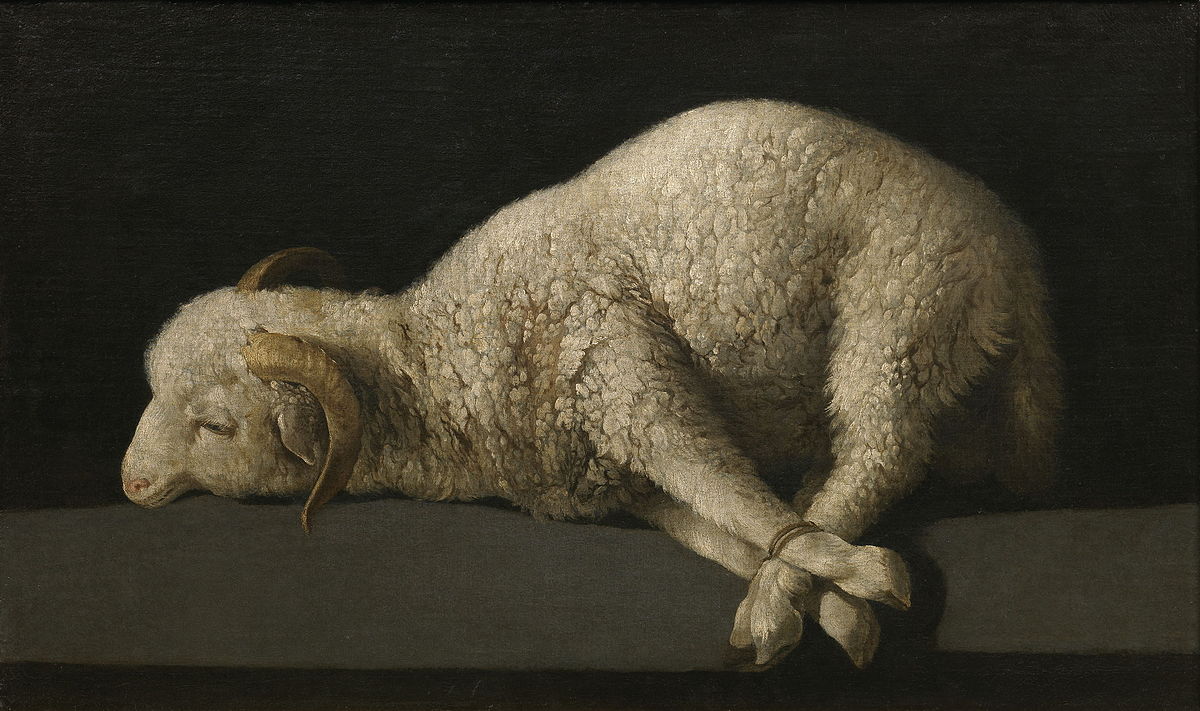
Angus Dei  Francisco de Zurbaran


Easter Sunday

A simple retelling: Retold: Easter Day!

If you are following in my books of Bible retellings and prayers, Chapter 12 moves us into New Life.

img_0786

Thank you for joining me.  I hope you find these things help.
Keep safe and well.
Bless you.

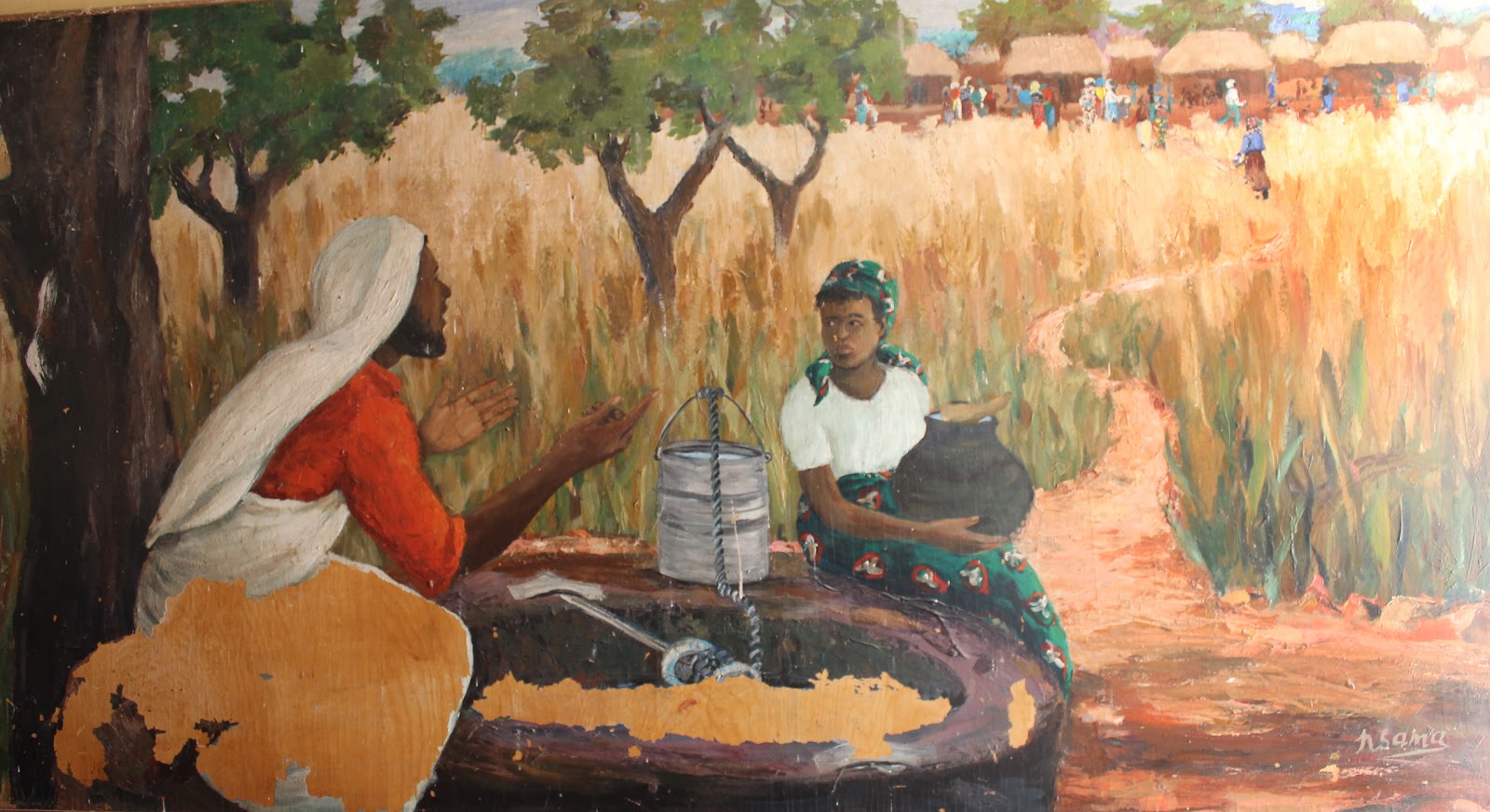
Jesus said, ‘I Am’ – for Lent. Chapter 1, the woman at the well.


The bible scene with Jesus at the well with the Samaritan woman shows signs of damage and peeling of paint

Mural by  Emmanuel Nsama

If you are following my Book for Lent, welcome! I hope you find it helps.
If you’d like to begin at the very beginning, you could take a look at the chapter on Moses, and the burning bush – the first I Am. You can find a link to my post about that here.


IMG_0864

John 4:1-30, 39-42

It may seem a strange place to start, with this deep conversation that is not normally mentioned as one of the I AM sayings – and indeed, it isn’t one of the classic seven.  However, it is a story which has intrigued me for years, and when I found that this is the place where Jesus first says “I am”, I wanted to explore it more fully.  It is the longest recorded conversation Jesus has with one other person – and it is with someone who was on the other side of so many cultural barriers.

At a time when our politics is increasingly divided and divisive, where people box each other into categories, and make some lesser than others, this is a particularly relevant conversation.

John the Evangelist prepares us for this story very carefully, for it is profoundly counter-cultural. Jesus stops to rest near the plot of ground that Jacob gave his son Joseph. Jacob’s other name was Israel – one who wrestles with God. We are going back to Israel’s common spring, common source, at Jacob’s well. We are being reminded of a time long ago, before the time when and the Jews and Samaritans became peoples who saw themselves as separate. It is a place that holds meaning and memory for Jews and Samaritans – of their common father, and their common salvation story. John is placing us on common ground……

I think it is no coincidence that John begins this story by setting it against an atmosphere of potential conflict – between cousins, between related nations. We see Jesus acting out his mission to be a peacemaker, a reconciler. “For he is our peace; in his flesh he has made both groups into one and has broken down the dividing wall, that is, the hostility between us” Eph 2:14. Jesus himself is common ground, and his presence changes things. If we look carefully at how we are prepared for this encounter, we can see that we are being led away from conflict, towards reconciliation, to inclusion, and to hope…….

And so, as Jesus waits by the well in the heat of the day, a woman approaches.  We can only imagine what it must have been like for her, in a culture where a woman could be divorced “for any and every reason” (Matt 19:3). We often think of her as one utterly disgraced in her community, having to visit the well at such a time.  That may be so, but we must remember that at this time divorces were easy for a man to come by and early death not uncommon.  Whatever her circumstances, she must have known more than her share of tragedy and disappointment.  She may have known deep shame and disgrace.  She may well have been a rejected member of a rejected community.

And yet she, like everyone else, gets thirsty and needs water to drink and water to wash with.  She is as human as everyone else.  So often, we do not see people like this.  So often, we make quick judgements, build fences, wonder about people’s worthiness and, in our own pride and insecurity, seek to feel superior, chosen, righteous in some way.  Not so Jesus.

His question bursts through all our categories and barriers in its gentleness, its humanity.  It is a question that changes everything for this woman, and for her community.

“Will you give me a drink?”

Jesus humbly admits his own thirst, his own need.  If we have heard the parable of the sheep and the goats (Matt 25:31-46), this question may have a deep resonance for us, for there Jesus says that whoever gives a thirsty person water, gives it to him.  This story in John gives us a way of thinking about the needs before us.  How would we respond – how do we respond – if a stranger asks us for a drink?

overflowing_glass_5

And from the Reflection and Response section.

Pour out a jug of water and set it before you, together with a glass.
Ask yourself what you thirst for.  Allow honest answers to emerge and note them.  Where does your life feel dry and unproductive?  What would help?


“I was thirsty and you gave me a drink”
….If you buy drinks out, perhaps you could fast from one or two a week, and give the money to a charity instead………

You could carry extra bottles of water to give to the homeless or buy tea or coffee for those you encounter and drink with them.  I have gift vouchers for coffee shops in my bag to pass on………


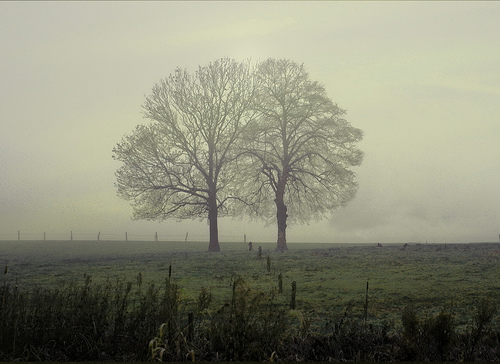
trees

Think about this picture – look at the two trees, and the fence.
Where do you find connection in your life, and where separateness?
Are there ways you can reach across divides?
Pray for wisdom.  Remember how Jesus slipped away from potential conflict with the religious leaders.

“For he is our peace; in his flesh he has made both groups into one and has broken down the dividing wall, that is, the hostility between us” Eph 2:14.
What comes to mind as you meditate on this verse? Does it speak into an particular situation for you?


If you’d like a copy of the book, you can ask your local bookshop, or order online.

Here are a few suggestions:

The publishers, BRF

Amazon

img_20181130_114736372319885.jpg

This blog post also draws on the Sunday Retold series.

Thank you for sharing this time with me.


Advent 3 – Joy

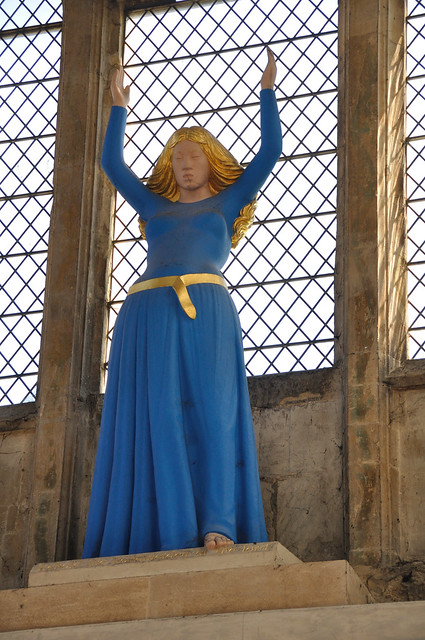
maryelyladychapel.jpg

Mary by David Wynne, Lady Chapel, Ely Cathedral

I love this contemporary statue of Mary in the ancient setting of Ely Cathedral’s Lady Chapel.  I love the bright, pure colours of blue and gold, which are probably  much closer to the original look than the current mellow stone.  Most of all, I love her stance.  It is open, powerful, ready to receive the extraordinary gift that was promised her.  It is joyful – with a joy that acknowledges the reality of the difficulties to come, I feel.

Once again, this week, we have a powerful word – Joy – as our theme.  Once again, we are aware that our immediate circumstances may not point to joy, but to sadness, or anxiety, or emptiness.  Once again, we see examples in the stories of Christmas where people have faced great difficulty, as Mary must have done with her unexplained pregnancy. The consequences for her of saying “Yes” could have led to rejection, abandonment, or even death. She does not overlook the huge difficulty, but goes through it, beyond it, to the bigger move of God, the higher purpose her life is serving.  She does this through her own choosing, her active acceptance, of the role the angel gives her.   It is a radical, open, trust, which Wynne’s statue of Mary captures so well. She also does it through seeking out her cousin Elizabeth.  With Elizabeth, also unexpectedly with child, she has someone who might be able to understand her strange predicament, and help her come to terms with what has been promised.  The two women – one too young, the other too old, could nurture and support each other, both giving and receiving, as the time came for Elizabeth to give birth.

Here too is a route to joy – the presence of another.  We are promised that God will not leave us, and we often find that another flesh and blood person embodies the love and care of God for us.  It must have been so good for Mary and Elizabeth to share those three months together. Perhaps, we too can offer some companionship to each other – simply being present, simply listening, simply understanding.

Here is the story, from my book The Bible Retold

Among the fields and vineyards of Nazareth, in Galilee, lived a girl named Mary.  She was soon to be married to Joseph, a carpenter, who could trace his family back to David, the shepherd king.

Then, one day, astonishing news burst into Mary’s quiet, hopeful life.  The angel Gabriel came to her with a message.
“God is with you, Mary!” Mary gasped, and fell to her knees.  “Don’t be afraid. God smiles on you!” The angel spoke the astounding words gently, lovingly. “You will have a son and name him Jesus.  He will be called great – the Son of the Most High God! The Lord God will give him the throne of his ancestor David, and his kingdom will never end!”

For a moment there was silence, as Gabriel’s words filled the air – and Mary’s mind. “But how can this be, as I am not yet married?” Mary asked.
“God’s Holy Spirit will enfold you.  Your child will be holy.  Even Elizabeth, from your own family, is going to have a child, despite her age! She is now in her sixth month.  So you see, nothing is impossible with God!”

Mary raised her eyes to Gabriel’s face. “I am God’s servant. Let it be as you say.” And the angel let her alone, her mind spinning with the strange words.

Then Mary thought of Elizabeth. “The angel knew all about her – I must go to her.” She got ready, and set off quickly for Elizabeth’s home in Judea to the south, near Jerusalem.

As soon as she arrived at the house, she hurried to Elizabeth and took her hands.  At the sound of Mary’s voice, the baby leaped inside Elizabeth, and the Holy Spirit filled her.  She understood at once what had happened to Mary.

“You are blessed among all women, and blessed is your unborn child!” she said. “Why have I been so honoured? Why should the mother of my Lord God come to visit me?” Elizabeth laughed, and put Mary’s hand on her belly. “You see how my child leaps for joy at the sound of your voice?”

Then, Mary speaks out extraordinary words, which in turn echo the words of Hannah when she said goodbye to her long-awaited son, Samuel (I Samuel 2)  You can read Mary’s words in my previous post here.

img_0773

And so begins the journey of one called Lord God by Elizabeth into human flesh – not too pure and holy to found among frail humanity, not too great to be nurtured in the womb of a young woman, and born into uncertain poverty.  One who set up home on this earth, and opened our eyes to see heaven here, even here.

We thank you for being born among us,
sharing with us what it is to be human.
we thank you for showing us a way to live,
full of grace and truth.
Light up our path, and let us walk with you.

From John 1

From Prayers and Verses


IMG_0942.JPG

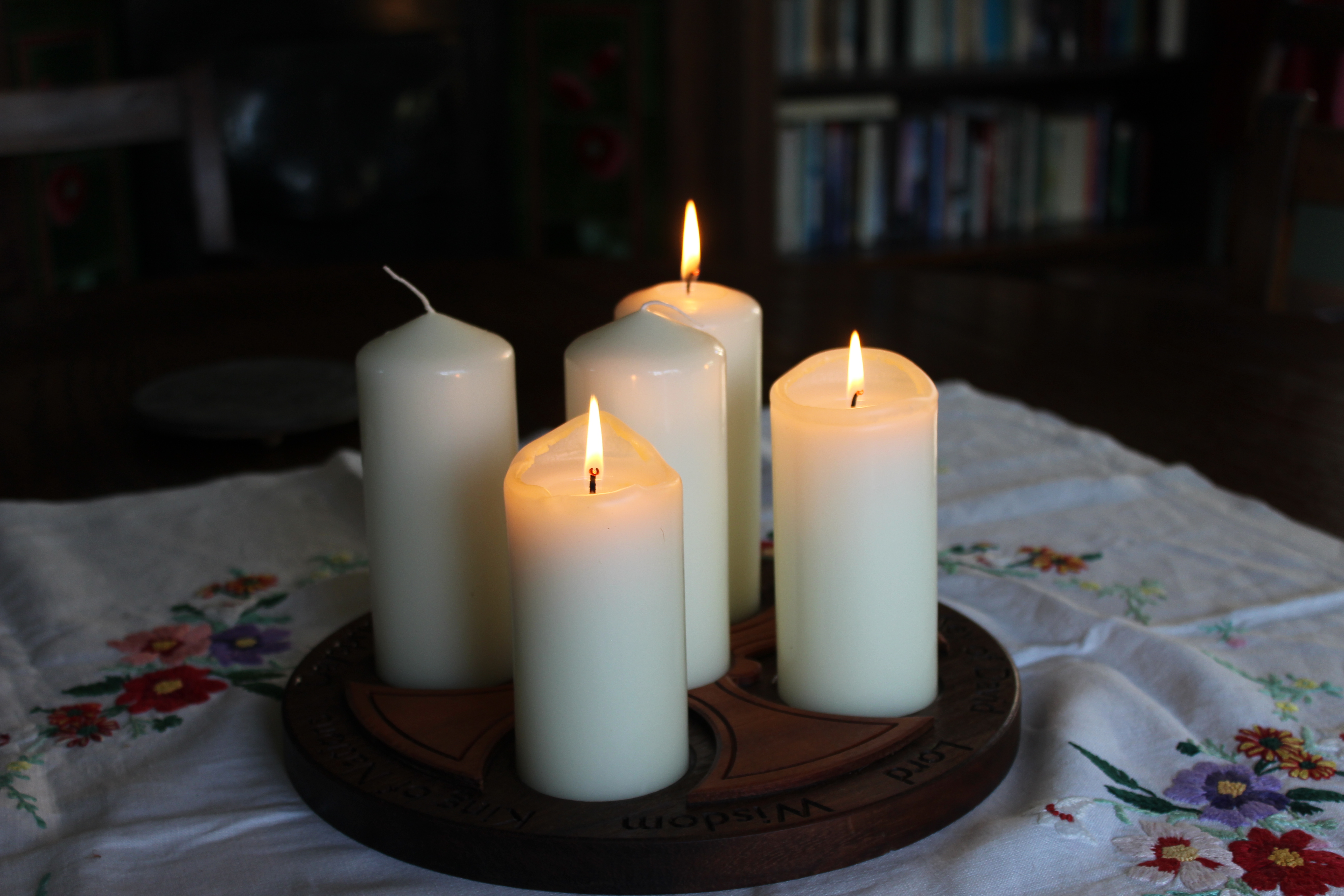
Advent ring from the good folk at Chapel in the fields. If you’d like to know more about the words, you can find out at my previous post.


Please feel free to use my material, saying where it is from.


Advent 2 – Peace

img_0857

We’re drawing deeper into Advent now, the days are shortening, the cold and wet are creeping closer.  Meanwhile, the shops are full of – beautiful things, and plastic tat, and carols, and cheesy music, all jumbled and clashed together as we go from one to another, and back again.

How to hold on to some kind of centre, some kind of Peace, in the midst of lists and duties and timetables and so many forgotten-to-do-in-time things?  How to hold on to a centre, and to peace, in the midst of loss, and loneliness, and Christmas pasts? This Sunday, the second of Advent, sometimes takes the theme of Peace, and peace is much needed.

IMG_0928

This beautiful Advent ring is from The Chapel in the Fields,  and you can read more about it, and the words on it, here.

Once again, readings for this week turn to the prophets.

A shoot shall come out from the stump of Jesse,
and a branch shall grow out of his roots.
The spirit of the Lord shall rest on him,
the spirit of wisdom and understanding,
the spirit of counsel and might,
the spirit of knowledge and the fear of the Lord.
….
They will not hurt or destroy
on all my holy mountain;
for the earth will be full of the
knowledge of the Lord
as the waters cover the sea.

Isaiah 11: 1-2, 9

I am very struck by the image of the tree stump – cut down, presumed dead, or unproductive – springing back into life.  We see again the hope in even the most hopeless situations, the determination of life, and in the promise of Isaiah something or someone, to persist, to keep growing and going, despite how things seem. All is not lost.

Even my beautiful dead cotoneaster, picture above, harbours life.  Although the plant itself hasn’t sprung up from dead roots, other things have.  Birds perched in the branches, dropping seeds, and now the light has reached the ground, things are growing – a holm oak, some sycamores, and the rose I planted to climb up the trunk. I wrote about the tree here.

Trees come up in the reading from the Gospels, too.  John the Baptist, preparing the way for the ministry of his cousin Jesus, speaks of knowing trees by their fruit.  What their lives produce.

Here it is, from my version in The Bible Retold.

Under the white heat of the sun, far from shade, the murmuring crowds gathered.  Some had walked through city streets, others through fields and vineyards, but all had come out into the stony, dusty Desert of Judea to see one person.
It was John, son of Zechariah, who stood by the river Jordan.

John was no polished performer – he looked wild, dressed in rough clothes of camel hair held together by a leather belt.  He was thin, eating only the locusts and wild honey  he could find in the desert.  But his words were full of power, full of life and holiness. He called out in a loud voice “Repent! Turn your lives around and come back to God!  His kingdom is near.  Come and be washed clean!”  And many came forward, full of sorrow for the wrongs they had done, and John baptized them in the River Jordan.

There some among the religious leaders who came and joined the crowds to look holy in front of everyone else – they thought they were good enough already, and had no real need to change.  “You snakes!” the Baptist spat: “We can tell what you are like by what you do – just as you can tell a tree by its fruit.  Don’t think you can fool anyone with show-religion!”

But most who came were hungry for a new beginning.  For John taught them to hope.  In his words, they caught a glimpse of something beyond their everyday lives.  They understood that John the Baptist was preparing the way for something, or someone, astonishing.
“I baptize you with water, for repentance.  But you wait. There is one coming after me who is so much greater.  I am not even fit to carry his sandals for him. He will baptize you with the Holy Spirit and fire – a baptism that will wash you inside out.”

In Luke’s Gospel, we get an insight into what this preparation for the one who is to come  might look like in practice

“Even now the ax is lying at the root of the trees; every tree therefore that does not bear good fruit is cut down and thrown into the fire.”
And the crowds asked him, “What then shall we do?” In reply he said to them, “Whoever has two coats must share with anyone who has none; and whoever has food must do likewise.” …..

Luke 2:9-11

We remember the Advent traditions of giving – not just to friends and relations, but to others as they have need.  What John the Baptist is calling people to, to prepare for the coming of the Kingdom of God, looks a lot like sharing, like generosity of spirit, as we are able.  Perhaps this is a way towards Peace.
As our readings take us closer to Christmas, to the birth of the one who we have been waiting for, we will find a clearer focus on the Prince of Peace who is to come, and the way of peace he walked.

IMG_0937.JPG

Hope, and Peace

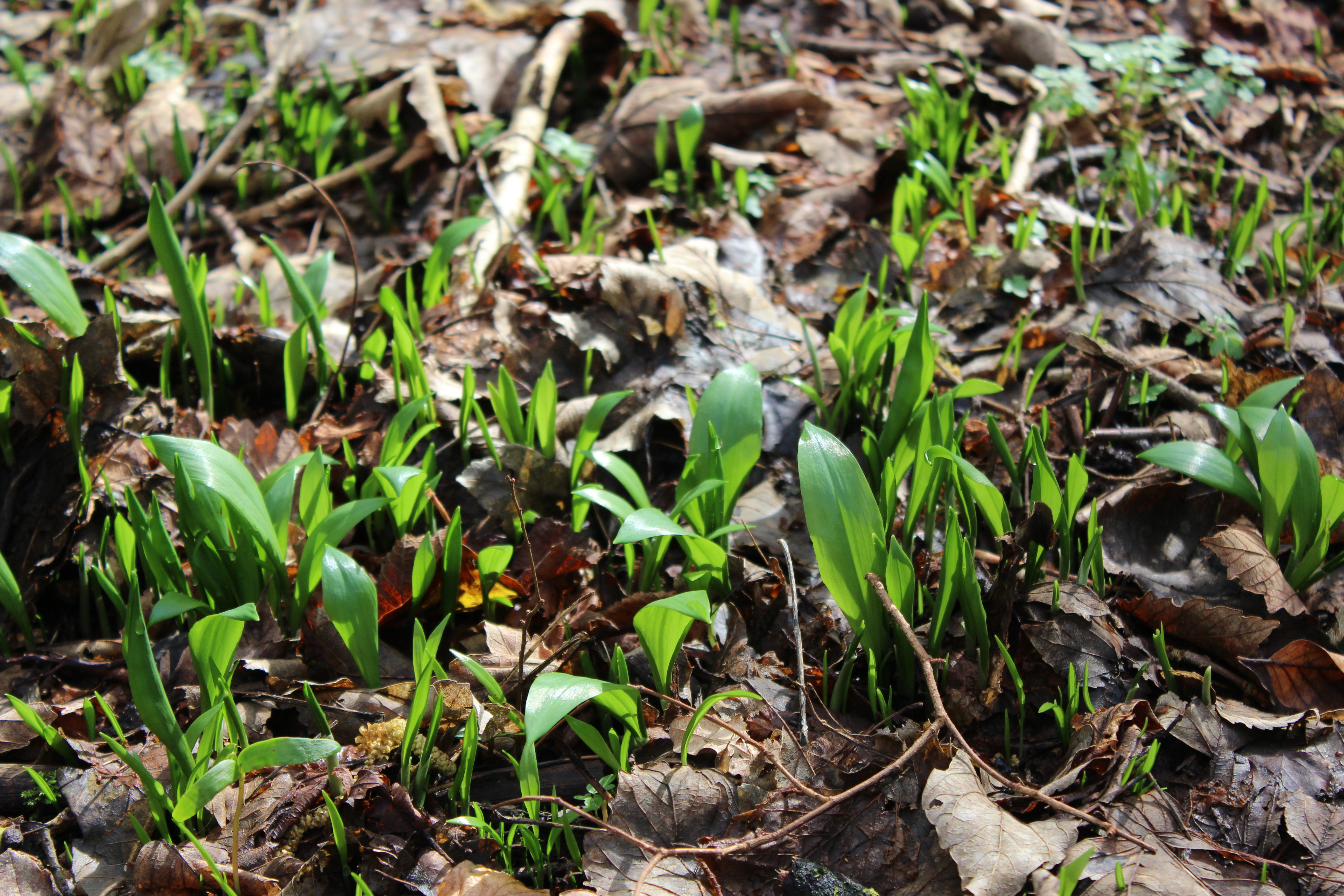
Perhaps we can make time to keep our eyes open for signs of new growth in the winter gloom, when all seems cold.
Are there shoots appearing? Are there signs of new life?
Can we pursue peace by looking for justice, and by sharing as far as we are able?
We can share kindness, and patience, and perhaps a smile to cheer someone’s day.  Perhaps we can do more than that.  If we have the choice to simplify things for ourselves, we may find we have a little room to share with others.
Might that be a path to a more peaceful Christmas?

Wherever you are in your Christmas preparations today, may you know Peace.

IMG_0864