Once again, I am astonished, delighted and honoured to find something I wrote has made its way in the world, and is keeping the most excellent company with Diana Butler Bass as she shares from the last day of the Wild Goose Festival in The Cottage.
Please do take the time to read her reflections, and those she has gathered. It is a rich feast, with much to refelect on. The theme of Sower and Soil seems more relevant than ever as our soils become depleted on many levels. I am very struck by Cathleen Falsani’s reflections on the parable of the Sower from Matthew’s Gospel, which really resonate with me.
The parable is one I’ve returned to again and again, it seems to carry richer and different meanings whenever I encounter it. Here are some links to posts on the subject, in case you’d like to follow today’s readings.
It’s always good to know that our words are part of an online community. So thank you to all who are joining me here, and I do hope the poem helps bless your Easter.
I’ve noticed that a number of you are turning to these poems as we approach Easter. Thank you for reading them, and I do hope they are helpful to you as you begin to meditate on Good Friday, and prepare for sharing that time with others – families, groups and congregations. Please do feel free to use and share them, saying where you found them. I love to hear about that.
Below the poems, you’ll find some links to other posts on this blog that you might find helpful too.
Father forgive them, for they know not what they do
We don’t know what we do, from the careless word that starts a fire of anger, to the careless killing of a butterfly – who knows what wide effects, what winds and rains, begin and end with just one death?
We walk in darkness, so often, and so often, we close our eyes, we do not wish to know. And Jesus, seeing this, that his life would end with angry shouts, with fearful washing of hands, with indifferent playing of dice, Knowing all this, even so, he bore our lawful unthinking violence, our blundering disregard for consequences. Another would pay for our actions.
Yet as the ripple of our acts flows out, through the world, who knows where, so too, now, flows forgiveness, following on, spreading and transforming, watering dry ground, lifting burdens and carrying them away.
2
Truly I say to you today you will be with me in paradise
Even as he hung upon the cross, even with blood from that false crown running down, not wiped away, he saw the two men at his side,
One joined in mocking with the priests and soldiers, speaking from his pain, and one did not, this second kept his eyes on something else – a hope.
A hope the one he looked on was a king, and of a kingdom where such things as crosses are not lifted up, a hope, even, of an end to death and pain – this pain, this death.
And, ah, his king begins to speak, of paradise. What a world to gift him dying there. A word of such sweetness, freedom, peace. See – clear water flowing, and flowers, hear the sound of birds, the lazy buzz of insects, the flutter of their wings.
What a word, at your end, to hold to, to capture our beginning, once again. But even more than this, to be with him, beside the king, seen and known, held in the loving gaze of one who hung up on the cross. Might this, even this, be paradise?
3
Woman, behold your son. Son, behold your mother
And still he sees, looks down towards the one who bore him, bearing this, the pain – not her own pain – worse, the pain of watching one you love twisting on those wooden beams, the nails piercing her own flesh too.
The time has come when all the treasure of her heart is broken open, scattered, lying in the dirt. What use to hold in mind the words of angels, the wealthy gifts brought by the wise, what preparation Simeon’s warning, when now she sees his agony with her eyes. But she is not alone, his friend sees too. John, who writes it down, bears witness, even here, even so. They turn their gaze upon each other and see each other with new eyes – a mother, and a son. Gifting them each other – his one last act of love, this giving, from an empty cup. This task of care can be ours too, to behold each other in our pain, and in our sorrow, walk each other home
4
My God, My God, why have you forsaken me?
You felt your generous heart forsaken, you felt the absence of the one who helps, who was beside you, in the beginning, who knew you from before first light.
We know too well the sparseness of your isolation, without light, and companionless, in the darkness of our own long night. And yet, within our dark, we find you there, Find you have waited for us long days, and years, while our poor eyes have grown accustomed to the dark, have learned at last to see you through our tears. So as you know our pain and feel it, you break our separation with your own. Help us see the forsaken all around us, invisible and in darkness, but seen by you. May we seek each other in the dark, May we have courage to cry out, like you, and so be found.
5
I thirst
The well is deep, and you have nothing to draw with. Where now that living water? Where is that spring within you, gushing up to fullness of life? Do you remember, now, the woman by the well? Your deepening talk of thirst and water, as now, again, you humbly ask another for a drink – this time, a sponge of sour wine?
Do you remember too, as the taste dries on your lips, that wedding feast, where water changed to finest wine? The richness and fullness of that beginning soured to this cold bitterness.
You are our source, the spring of all our rivers and still you thirst like us, need help to drink. And so give us this grace, that as we do for the least of these, we may know we do for you.
May we see you in each thirsty face.
6
It is finished.
All things come to an end. Even pain like this, Even the anger and the cruelty of a crowd, of us all, even the certainty of those so certain of God they hang a man upon a tree. Even the punishment and scapegoating even violence, even death. The work is done. It has all been borne. You have poured out your love, your life. You have carried our sorrows, suffered under our iniquities.
Your head bowed now, you sink into the final pain of nails, your body bears no more, having borne all. The work is done.
7
Father, into thy hands I commit my spirit
There is darkness now, deep darkness, over the face of the deep, and no hovering like a brooding bird, instead, the temple curtain torn in two, from top to bottom, and the Holy of Holies empty.
God is not found there, but here, with this dying man on a tree, He calls out father, and talks of hands, and we remember what his own hands have done, how many were healed by their touch, raised up and restored from cruelty and death, and now, he too will be held in loving hands, a reconciliation beyond our grasp, a trust even at this moment of last breath.
Dying, he taught us to die, dying he brought us life. May we be reconciled, may we know at our end, the comfort of those hands.
A few years ago, in May, when everything was rich and green, I was reading in my garden, imagining myself into the story of Mary and Martha as told by Luke. I was thinking of Mary sitting at the feet of Jesus, how that was an expression used elsewhere in the New Testament for receiving teaching as Paul did from Gamaliel (Acts 22:3).
I could not recall reading this story in the other gospels, but as my memory searched, I remembered how John writes of this family. Into my mind came powerful pictures of Mary at Jesus’ feet in those stories – firstly I imagined her as she ran to Jesus after her dear brother Lazarus had died, and I saw her in black speaking from her knees before him. I heard her voice as heartbroken, perhaps with an edge of disappointment, or even accusation. Then, I thought of the feast they had to celebrate Lazarus’ renewed life, and how once again Mary was at Jesus feet, this time in extravagant thanksgiving.
Such different occasions, with such different emotion about them, but all springing from the depth of love and relationship between Mary and Jesus. She shows Jesus, and us, who she is and how she reverberates with the sadness and joy of her life. She comes across to me as a rich and spontaneous character, fully alive. So in some ways it is strange that we celebrate her, in Luke’s story, for her stillness. How hard it is for us to sit and listen, and I suspect it would have been hard for Mary too, had it not been the desire of her heart, had not that stillness have been active, charged with love.
It is a good poem to read for Sabbath rest. It reminds us that all are welcome at the feet of Jesus, and that it is a high good to be as we are and receive. I do not always desire this as Mary seemed to. My mind is often scattered by worries and things which, in the end, are of little value. We are so distracted, so pulled by so many things. We can end up feeling that those things are what define us. That it is what we do, or think, or believe, or how people view us that makes us who we are. Just being doesn’t seem enough, but our efforts to be more or different or better than we are can be life-sapping.
Acceptance can be hard to accept!
I am attempting to learn to be still, and that love, however thin it may be on our side, is enough.
God’s love is enough.
In writing this poem, I hoped to create a place of stillness. The kind of place where contemplative prayer begins. A place where we can open up a little to love, and light. A place where we know we are welcomed.
I read early versions of these poems at a local Christian festival, Alive, and as the festival time of year comes around again, I find I am remembering them, and going back to those thoughts. I share the first one with you today.
The photograph is taken in the Chapel of St Peter on the Wall, Bradwell on Sea, Essex.
Mary, sister of Martha, at your feet for the first time
You came in search of rest
away from the road,
that bright, shadeless road,
where so many came,
and you gave so much.
You came and sat down
in the cool room,
the shutters pulled
against the heat,
and Mary sat, too,
and it was enough.
Just sat, quietly, at your feet,
her face turned up to
yours as she listened.
And you saw how the light
fell across her,
as if for the first time.
And this is what you want,
what you long for.
Not the elaborate
preparations we would make,
not ourselves swept and
scrubbed to perfection,
our acts and our
thoughts impeccable
in lifeless rows,
but to be, here in this light,
to be, here at your feet, Luke 10:38-42
The last stanza of this poem was quoted by the inspirational Diana Butler Bass in her Sunday Musings this week. If you don’t know her work, I’m finding it’s helping me a great deal. She combines deep scholarship with passionate lived experience. You can find a link to this work, and her reference to my poem, here.
Over the past few years, I’ve gathered and shared with you links to various readings here on the blog that tell the Easter story. Whether you are joining together with many others, or perhaps staying within a smaller household group, or a gathering of friends, I hope you will find here something that supports you, whatever you are doing..
I notice that two posts are proving particularly helpful at the moment. I’ll share links to these at the beginning, and then go through everything in a Holy Week sequence.
Do please feel free to use any of these resources, acknowledging me and this blog. It’s always good to hear about that, though, so do let me know if you can!
These are the most popular links here on the blog at the moment:
Here you will find the readings, and some things to ponder, as well as one of my Mary at your feet poem. If you would like to focus on the poetry, you could go here:
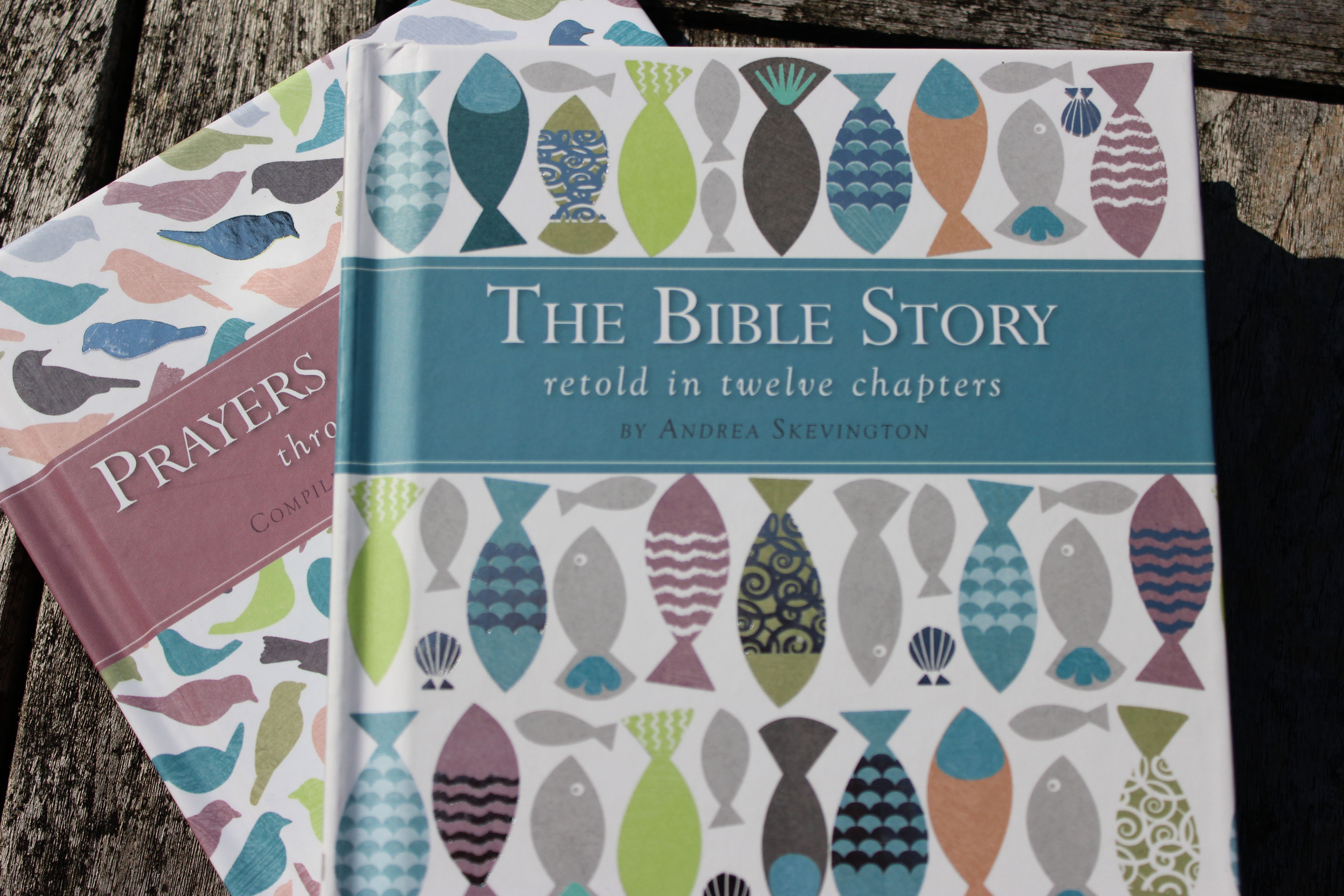
Other Holy Week stories – You can find these in Chapter 11 of my retelling – both editions: The Bible Story Retold, and The Lion Classic Bible, which share the same text. The second of these has lovely illustrations by Sophie Williamson.
Prayers and Verses also has a section in Chapter 11 called The Road to Good Friday, which you might find useful.
Maundy Thursday – The Last Supper, Jesus washes their feet.
Now, we come to the new poems I’ve written for Good Friday – based on the seven sentences Jesus spoke from the cross. I’ve put them together with some readings, music, and art, to give you a Good Friday Meditation.
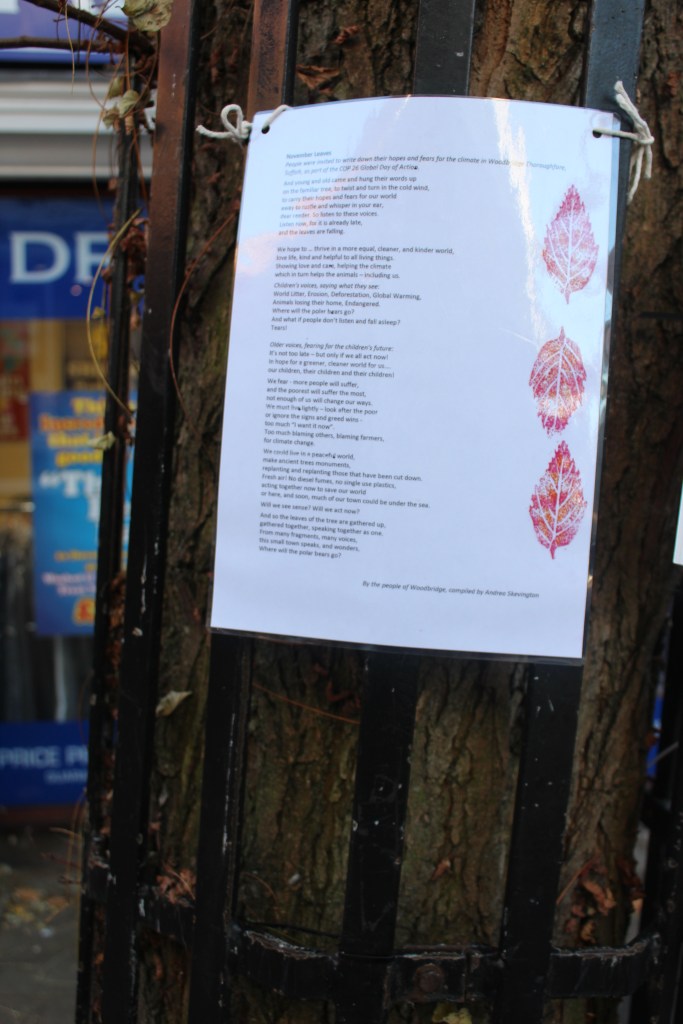
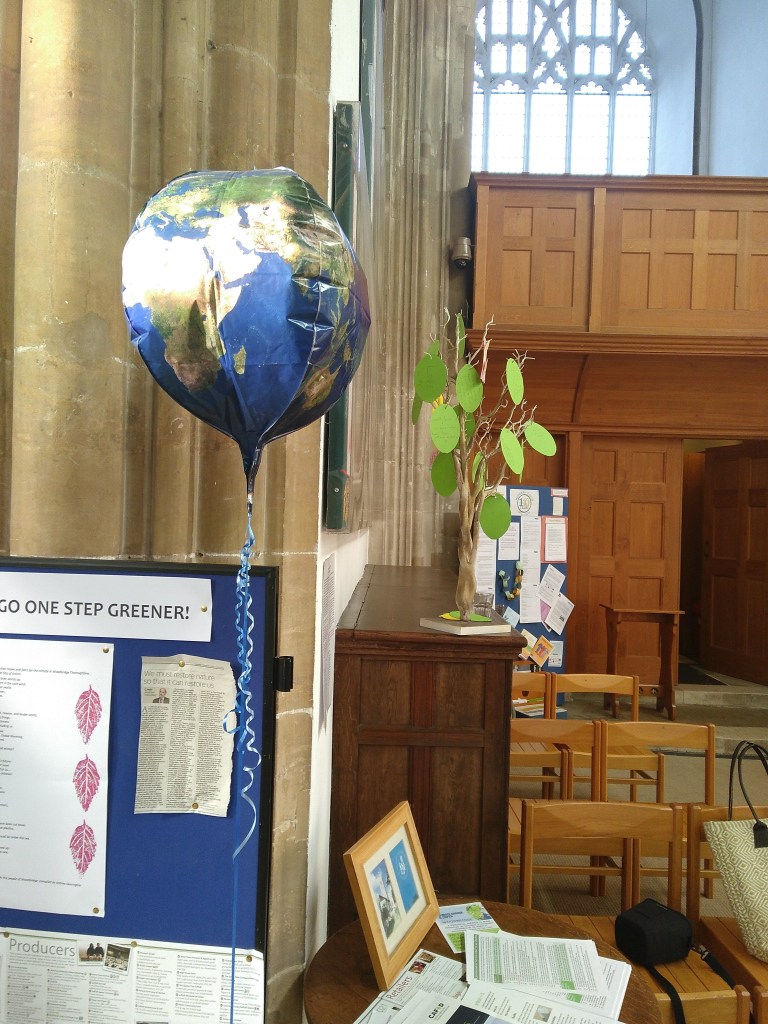
Last time, I shared a wonderful piece of work with you. It emerged from the people of our town during the Global Day of Action for the Environment, at the mid-point of COP 26 earlier this month.
You may remember that we invited people to write down their hopes and fears for the environment on cardboard leaves, which we tied to a tree in the main shopping street, The Thoroughfare. I then wove those words together into a poem. You can read it, and more about it, here.
Now, the finished poem is itself tied to the tree where it began. It felt like a homecoming, tying the people’s words to the tree.
The leaves themselves seemed to precious to discard, carrying as they did such heartfelt words. St Mary’s Church in the town is taking care of them. They are hanging up near the back, as part of their display on caring for the world. It’s full of helpful, thoughtful suggestions and reflections.
There are some extra leaves so you can add your own contribution to the tree, too, as well as encouragement to “Go one step Greener”. The church is open for prayer and contemplation between 10 and 4 Monday to Saturday, unless there is a special event. Local people, it’s well worth a visit.
St Mary’s Church Woodbridge. You can see the poem on the noticeboard, and the leaves on the tree in the background.
I’ve sent a copy to our MP, Dr Therese Coffey, too. Edit note 13th December: I’ve received a letter from Dr Coffey, with thanks for the poem and some information on what the government has done and hopes to do for the environment.
Last night, I was able to share the poem with the Town Council – reading it out and giving a physical copy. It seemed a very good, hopeful way for the meeting to start. They listened attentively and appreciatively, and responded with applause and real enthusiasm. So, if you were one of the local people who contributed their hopes and fears to the poem, do know that our local representatives have heard you, and will keep a record of your words in their minutes too.
It was so good to be able to do that. Our council are doing a great deal to take care of the beautiful place where we live, and are keen to do more. It’s good to be able to give voice to the hopes and dreams of people in the town, to share them in places where they will be heard, and will, in turn, do their work in other minds and hearts.
Each small thing matters. You never know what will grow from even these leaves.
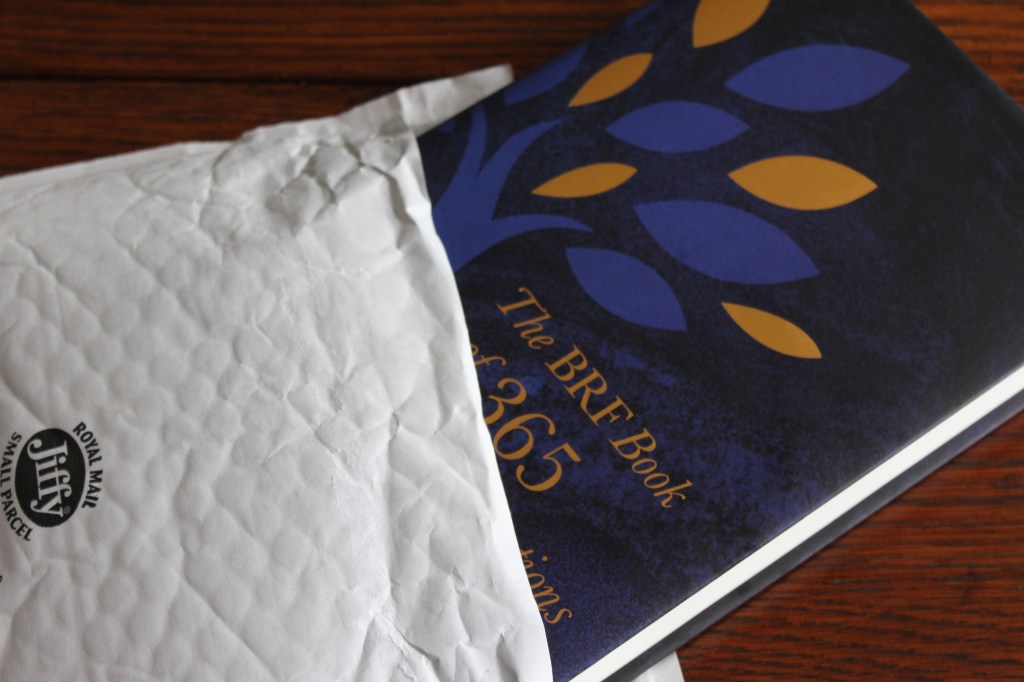
It’s very exciting to receive a parcel for a publisher – and today, this one arrived.
It contains BRF’s book to celebrate 100 years of publishing, and includes a huge depth and breadth of wisdom and insight. They asked a wide range of people to contribute, including me. I’m very honoured to be invited to be part of this important project, it’s so good! I’ve written for them for a while, in Quiet Spaces, and now New Daylight. They also published my most recent book, “Jesus said, I Am – finding life in the everyday”. I find myself in excellent company. Here’s one of the pages that list the contributors, and you can see the depth and breadth BRF have pulled together to make this book. You might find me somewhere in the middle.
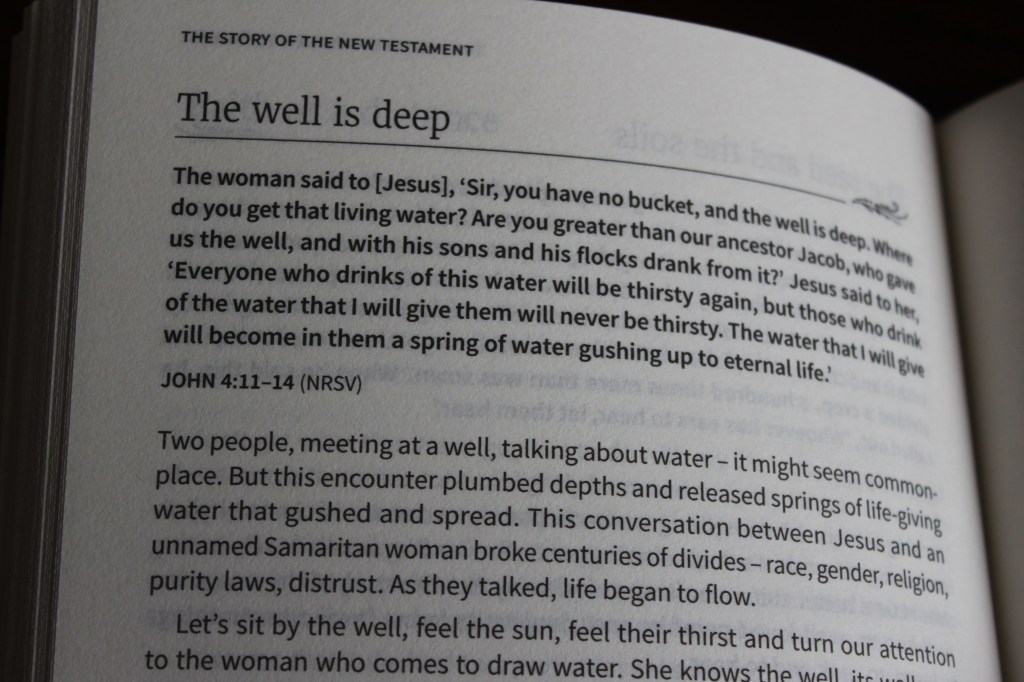
I was asked to write a reflection on a passage from John’s gospel, where Jesus speaks to a woman at a well. It’s a passage I love, and have spoken and written about before. I included a reflection on its themes in my book on the I Am sayings, as some scholars regard it as the first. You can read more about that here. As the title below says, the well is deep, and I find more and more wisdom, compassion and hope in the passage the more I allow myself to sink down into this encounter.
I’ve been having a browse through, and it is a beautiful, thoughtful book. It would make a good gift for someone interested.
You can buy it from the publishers here, or from wherever you like to purchase your books. It can be ordered from any local bookshop.
This week, as the darkness and the weather continue to close in, and the news is full of sadness and anger, I’ve been doing something I have never done before – as so many of us are.
I’ve been participating in an online retreat, by zoom, with the Community of Aiden and Hilda, which should have been at Lindisfarne – Holy Island. I’ve never been to such a retreat before, and had not planned to go, but I was encouraged by a friend to try, and dip my toes into those North Sea waters from further south. The week’s subject is The Way of Three, exploring the Celtic love of Trinity.
Celtic prayers and blessings are full of references to this threefold presence of God – not as inscrutable doctrine, but as a deep way of experiencing God, and indeed, all things. Its participatory, and dwells in the dance of interconnection. I have had a growing awareness of this other way of seeing, and just begin to explore it in the chapter on the True Vine in my book, Jesus said “I Am” – finding life in the everyday. You can read a little from that chapter here.
It’s a beautiful and wise retreat, full of welcome and love. I am so glad I joined. On the morning of the second day, I woke with a really strong sense of how everything is bound together, held together in love, and how our new understandings of interconnectedness in ecology and physics and computing and economics are opening our eyes to a new way of seeing and being in the word. As we see reality as interconnected, it gives us a picture, a frame, to help us see God as participating in a dance of love. We find it hard to open up our understanding of God, and these new ways of looking at the world can work as metaphors, helping us picture what is hard to comprehend. What was, at least to me, a doctrinal puzzle, from a perspective of separateness, is now something liveable, relevant, and joyful. It’s taking me a while to find a way of articulating and knowing more deeply this sense, but in the meantime, here is a poem, which I wrote that morning – the day before yesterday. I hope it helps.
One and many
In my garden, I greet the birds as they slow to land, and hop amongst the plants, and the feeders.
I greet too the plants, arriving more slowly still. I work with what is. I seek to welcome what grows, and as things come to the end, I thank them for their presence, their work in the garden.
This space is encircled with green, protected, so the sharing and flourishing is open, free. And within, and without, all is joined together in the air, the light, the rain, and the soil, the pale threads, deep, deep in the dark earth that join under fences and hedges.
Sometimes, I look and see this bird, this tree, and flower, and butterfly. And then my eyes widen, my focus shifts and I see the whole, bound together in all that is. I see one loud singing green, and that glorious, and that, welcoming me.
Be the eye of God dwelling with you, The foot of Christ in guidance with you, The shower of the Spirit pouring on you, Richly and generously.
This morning, I watched and listened to this beautiful piece by David Whyte – another blessing.
And a quote from today’s notes….
Maximus the Confessor (6th century theologian): “To contemplate the smallest object is to experience the Trinity: the very being of the object takes us back to the Father; the meaning it expresses, its logos, speaks to us of Logos; its growth to fulness and beauty reveals the Breath, the Life-giver.”
This next in a series of poems drawn from the story of Exodus circles again around the mystery of the burning bush. Like all these poems, it draws on my meditations on the Hebrew scripture held in one hand, and an awareness of our current situation in the other. I am exploring what this ancient story may have to tell us at this critical and bewildering time.
This poem takes the delightful idea that maybe there are burning bushes all around us, and moves us to a consideration of what the voice from the burning bush said to Moses, and what that may mean for us if we are on the look out for revelation, and hope, as we go about our daily business. It follows on from Holy ground, barefoot – an earlier poem in the series.
This poem touches on an episode from the gospels, where Jesus is revealed in brightness on a mountain in the presence of Moses, and Elijah. The two stories are deeply connected. You can read about the Transfiguration here, if you would like to. It is the time of year when some churches celebrate the Festival of the Transfiguration, and my link will lead you to a beautiful blog from the Iona Community, “This new light”.
If you would like to read the story of the burning bush, you can do so in my earlier post, here. If you do, you will also find some fragments of writing by others which helped inspire this meditation.
On fire, but not burned Exodus poems 5
Do angels speak
from every bush?
Whispering in the
rustle of leaves,
perhaps,
the low hum of insects –
or louder, clearer,
more insistent.
Was that holy fire
for one place,
one purpose,
or might it
happen –
could it happen –
everywhere?
The bush on the hill
of Horeb was aflame,
we read of it –
worth turning aside
from the work of tending
sheep, or finding water,
turning aside to see.
But I glimpse, too, a deeper
Transfiguration,
unveiling,
peeling back an ordinary
moment to reveal
depth, and warmth,
brightness,
and truth.
I catch a glimpse,
a hope, of
each living thing
with a heart of life-fire,
not of burning,
not of perishing,
but of God-fire growing,
giving, sustaining, all.
Maybe, angels still speak,
louder, clearer,
telling us
to take off our shoes,
for the very earth is holy.
Telling us
of a God who has talked
with our ancestors,
those who walk behind us
speaking old wisdom
we tend to forget.
But most of all
these living flames
speak of affliction,
they spark forth
in suffering,
roused by
the pain of all things,
of a suffering people,
they call to the work of
deliverance
through
the body of one
who will listen to
this voice,
who will turn aside
to gaze on
holy flames.
I’ve been sharing with you an emerging series of poems drawn from the first chapters of Exodus, in the Hebrew Scriptures. I am finding they help give me a way of thinking about our own difficult time. Sitting alongside those, I’m writing some posts which tell the story in prose, drawing on my book, The Bible Story Retold.
It’s a powerfully revealing fragment. It shows Moses, perhaps becoming aware of the injustice his people were facing, taking violent – indeed fatal – action to defend them. This character trait of rescuing, or establishing justice, is further revealed in his actions defending the young women at the well – but this time, the incident ends with being received into Jethro’s family, and marrying one of those young women. There seems to have been some progress in how Moses uses his impulse to defend and rescue. It’s so easy, in rising up to oppose injustice, to become a mirror – demostrating the same behaviour as that which we might oppose. Part of this narrative’s purpose is to show us different ways good ends can be accomplished. And they begin with a change in us, a change in how we see, and understand the world. This one will begin with a powerful encounter with the mysterious I Am of the burning bush.
I explore this a little more in the poem, Moses, and the Burning Bush, which you can read here.
Now, back to the prose narrative……
From Exodus 2-4
Moses never forgot his own people. He could not walk among the carved colonnades of the royal palace without shuddering, for they had been built by the slave laour of his brothers and sisters. Then, one day, at one of the great building sites, he saw an Egyptian beating an Israelite, and anger rose in him. He came to the defence of the slave, but killed the Egyptian, and gave him a hurried burial in the sand.
“So this is how he repays our kindness to him!” roared Pharaoh when he heard the news. “We brought him up as one of our own, and now he’s fighting against us, on the side of those lazy slaves!” When Moses saw Pharaoh’s anger, he ran to the desert, the land of Midian, fearing for his life.
He came to a well and sat down, gasping and exhausted. Soon, seven young women arrived to water their sheep. But some shepherds tried to drive them away and take the water for themselves. Moses came to the girls’ rescue, and helped them water their flocks. The young women returned to their father Jethro, a wealthy herdsman, and told him what had happened. Jethro welcomed his daughers’ protector into his family. Moses married one of the girls and cared for Jethro’s flocks. He learned the ways of the wilderness: where to shelter from a sandstorm, the best paths through the high places.
Then, one day, as the sheep grazed on the slopes of Mount Sinai…….
This is where the story moves to the moment of the Burning Bush.
O God,
How long must I call for help before you listen?
How can you let this wrongdoing go on…
all the fighting and the quarrelling?
Wicked people are getting the better of good people;
it is not right, it is not fair!
I will wait quietly for God to bring justice.
Even in the middle of disaster I will be joyful,
because God is my saviour.


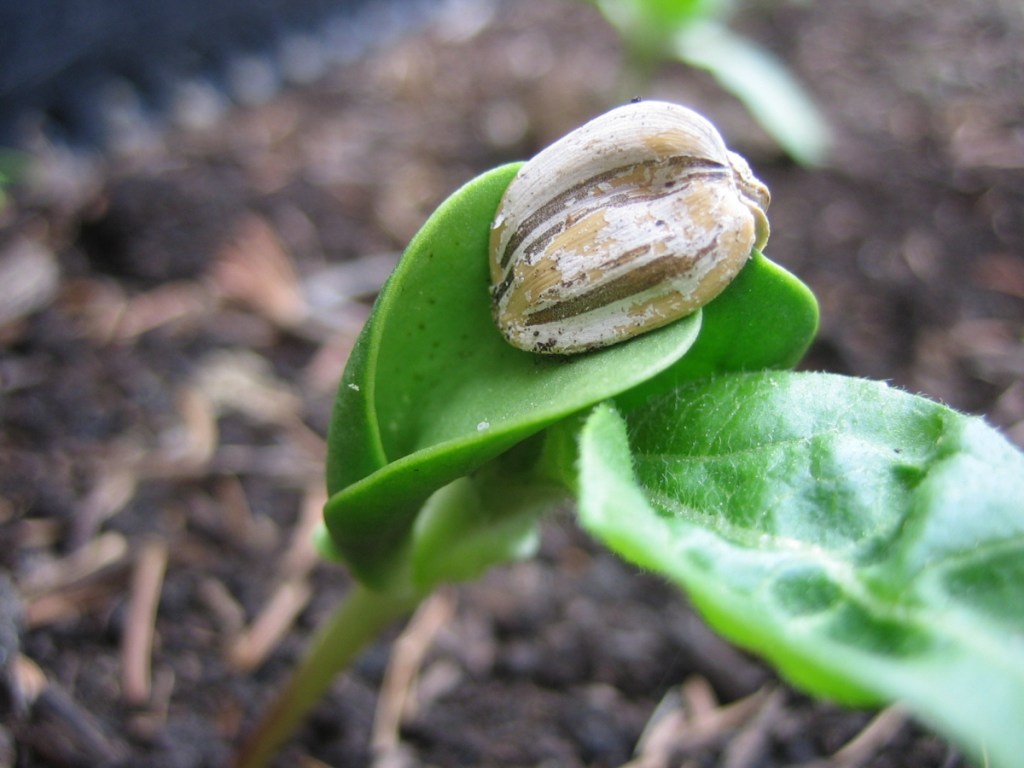


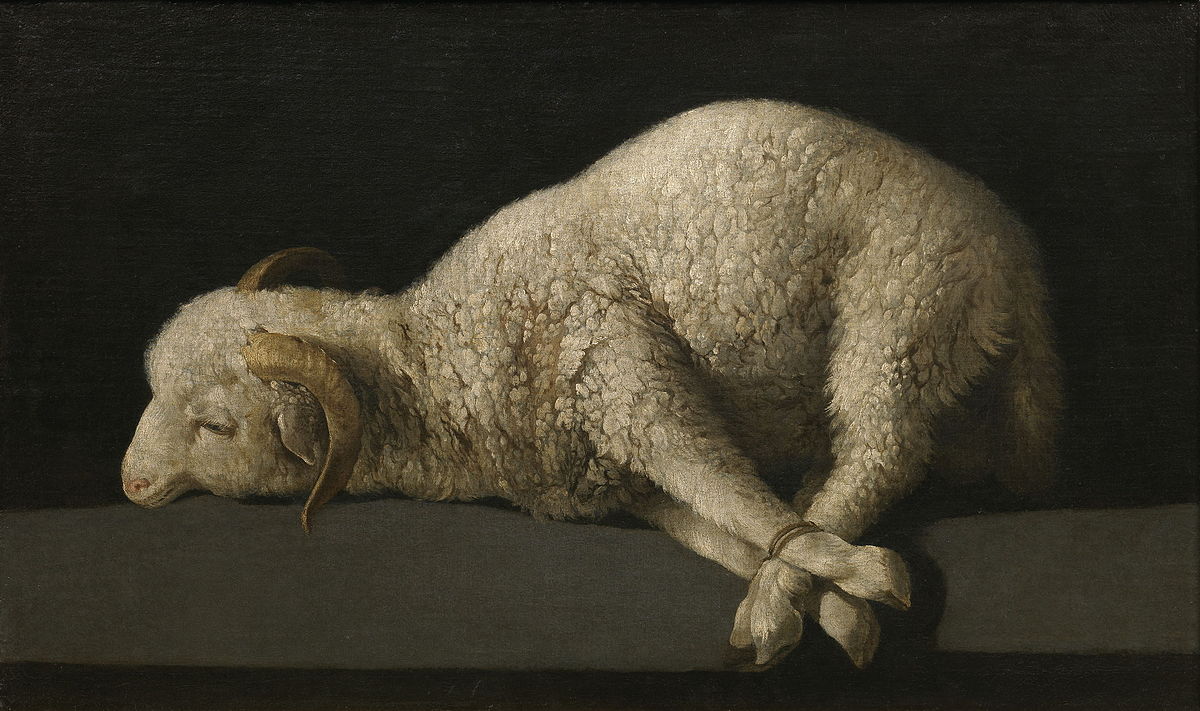
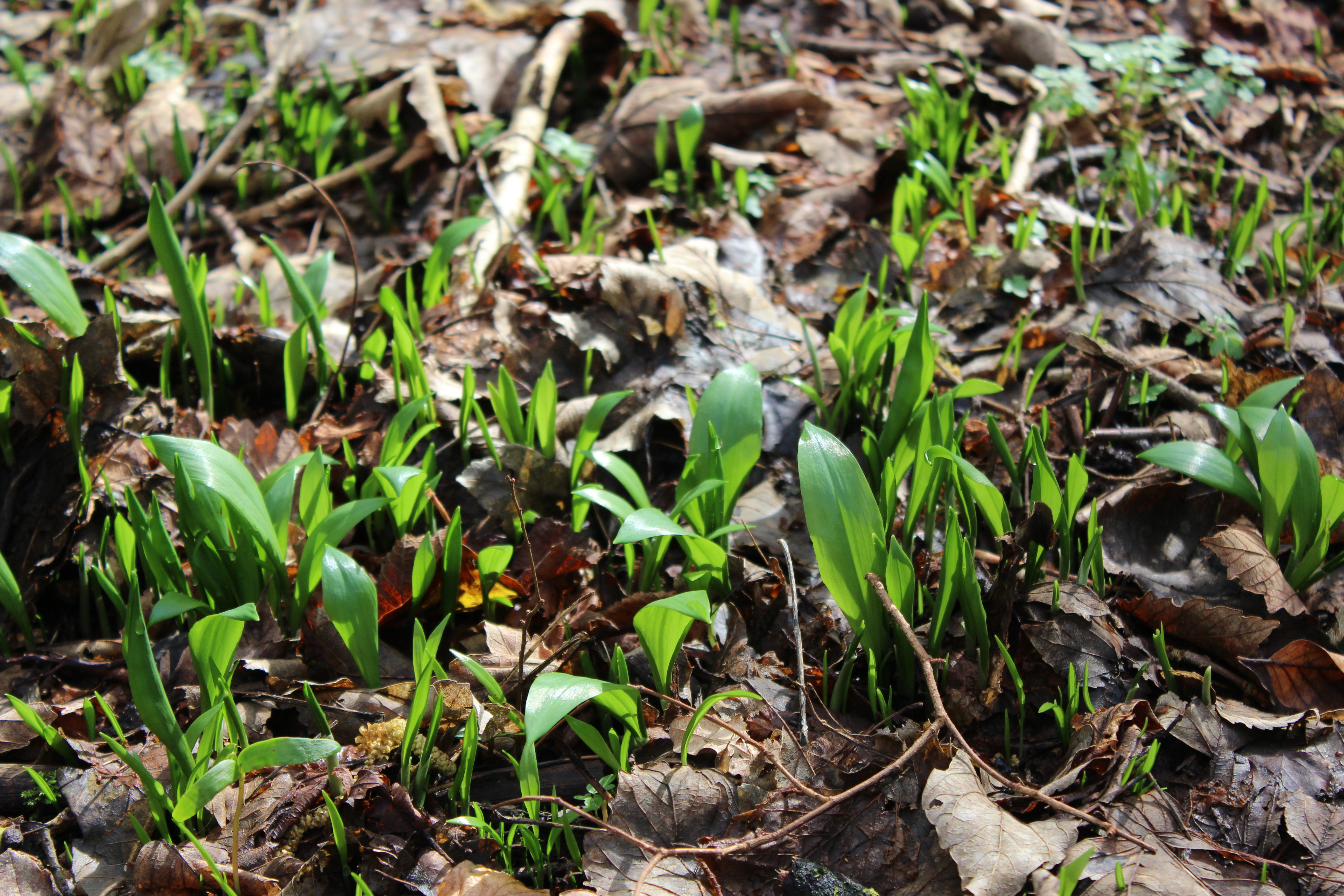







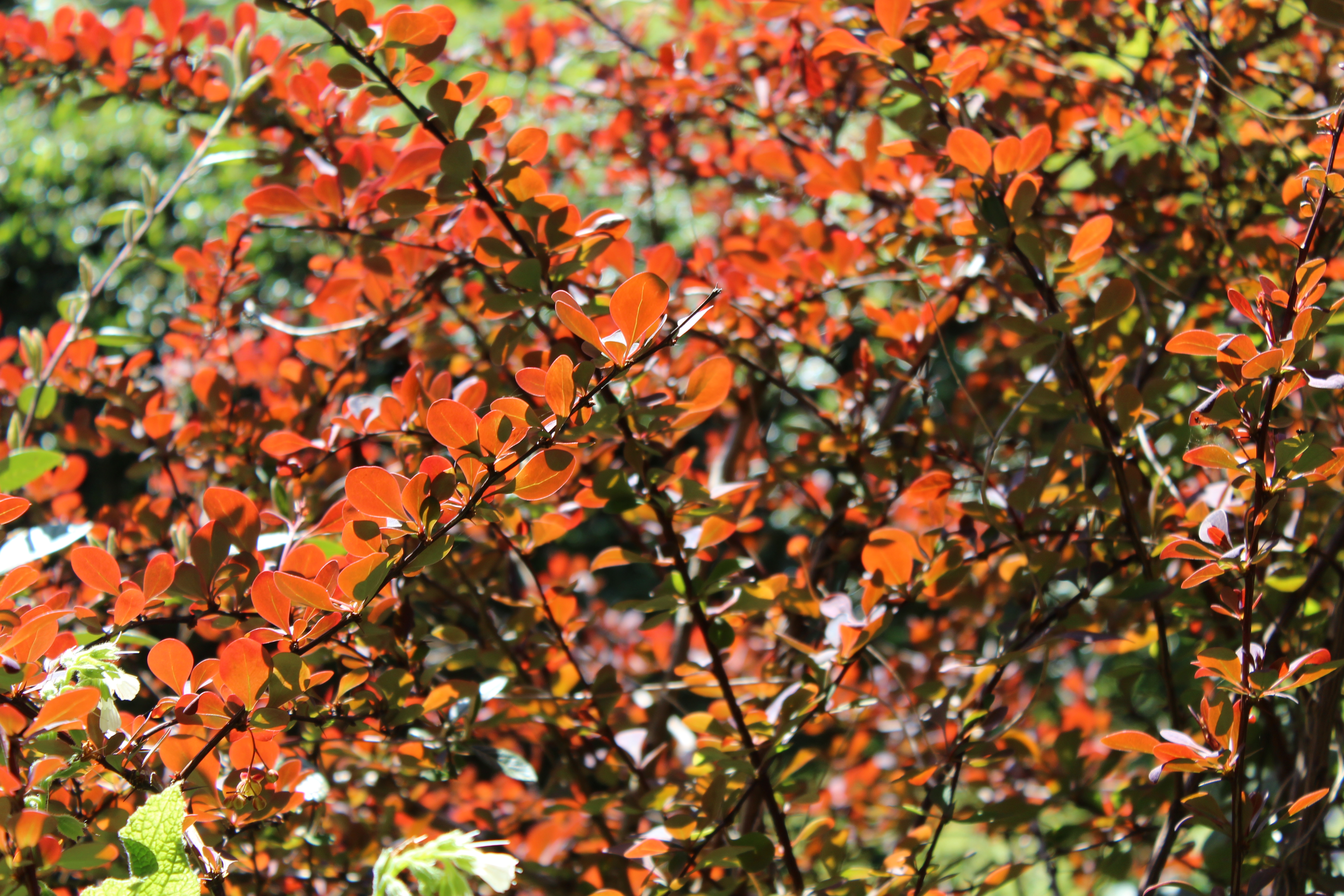 This next in a series of poems drawn from the story of Exodus circles again around the mystery of the burning bush. Like all these poems, it draws on my meditations on the Hebrew scripture held in one hand, and an awareness of our current situation in the other. I am exploring what this ancient story may have to tell us at this critical and bewildering time.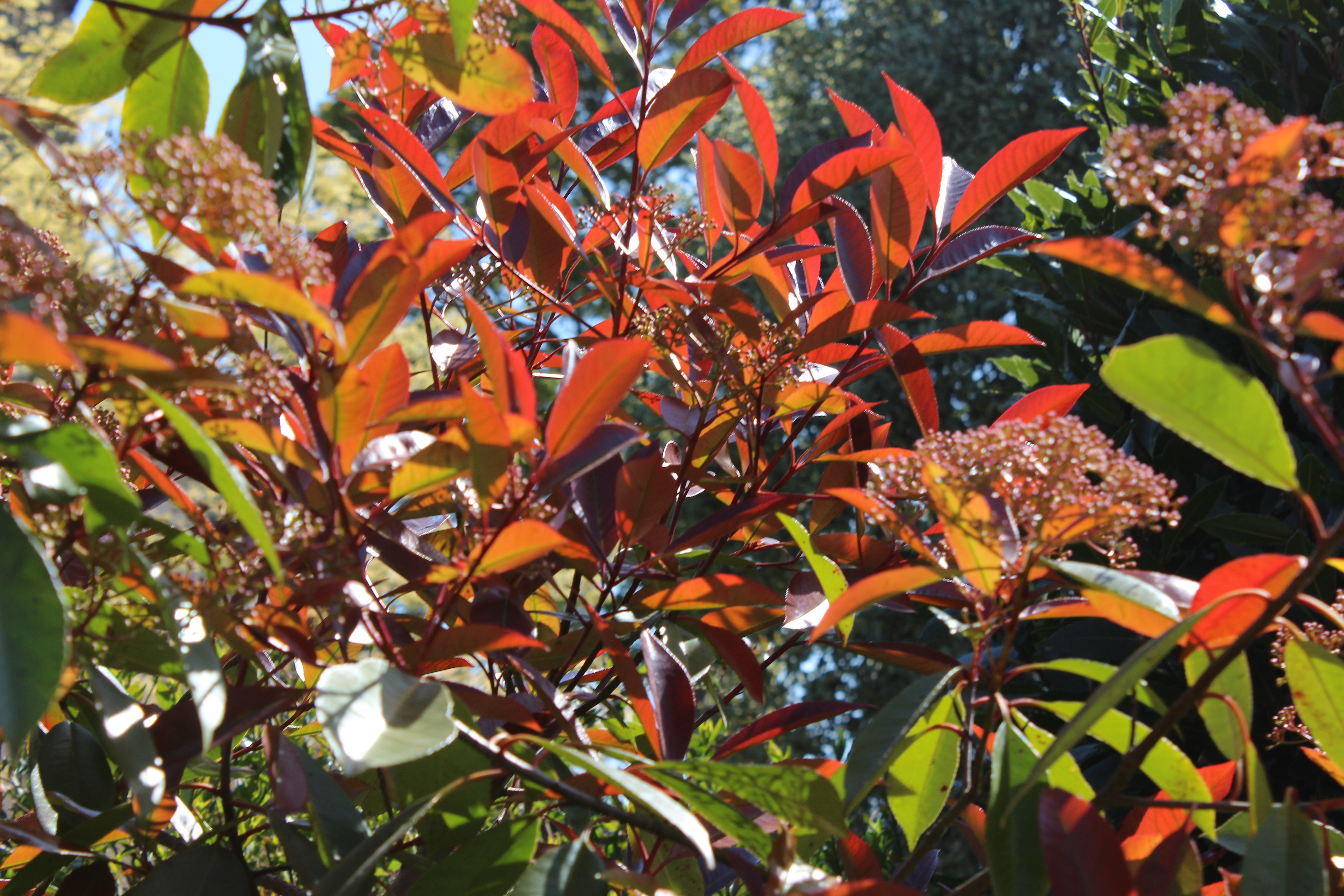
 I’ve been sharing with you an emerging series of poems drawn from the first chapters of Exodus, in the Hebrew Scriptures. I am finding they help give me a way of thinking about our own difficult time. Sitting alongside those, I’m writing some posts which tell the story in prose, drawing on my book,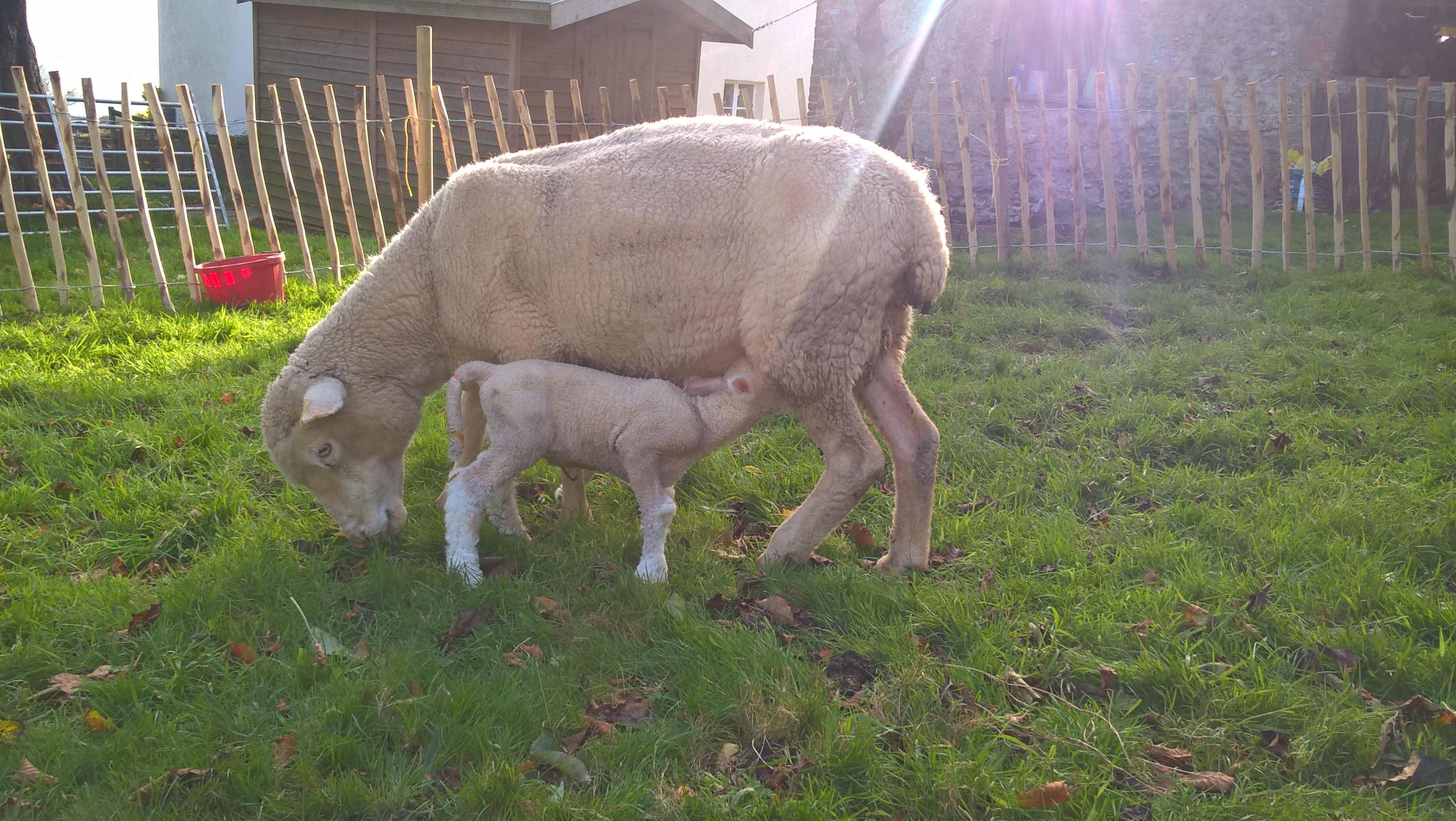
 Andrea Skevington